
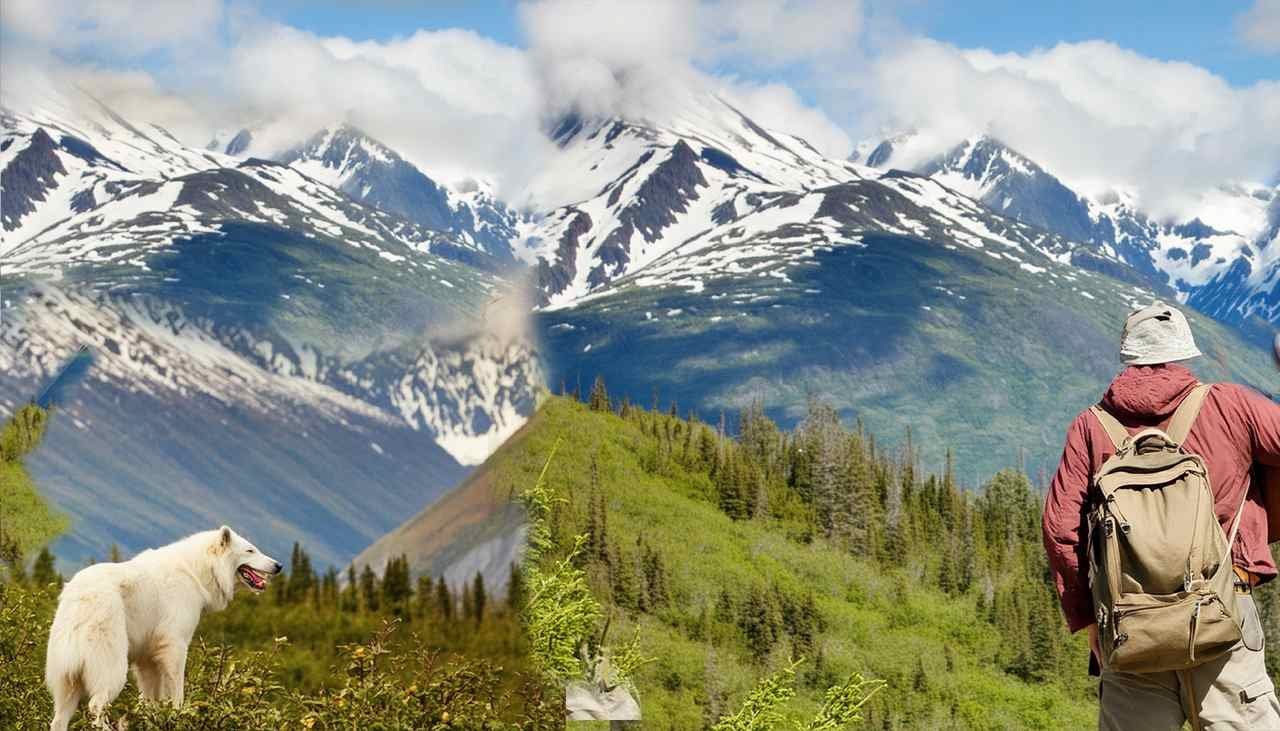
Alaska hunting season 2026-2027 starts early for many hunters, with some deer, black bear, mountain goat, and small game opportunities opening in August, followed by major moose, caribou, sheep, and waterfowl action through late summer and fall. The state offers one of the most diverse big-game lineups in North America, including moose, caribou, Sitka black-tailed deer, black bear, brown/grizzly bear, Dall sheep, mountain goat, bison, muskox, and elk in limited areas. However, Alaska is not a simple one-date, one-zone state. Seasons, bag limits, legal animals, and permit requirements change by Game Management Unit, hunt number, and sometimes by emergency order during the season.
That is why hunters need more than a quick season list. You need the right hunting license, any required harvest tickets or permits, the correct locking tag if applicable, and a clear understanding of salvage, sealing, and transport rules. Alaska also has special federal-land restrictions in some places, plus separate waterfowl rules. Before any trip, confirm the latest unit details through Alaska Department of Fish and Game hunting regulations.
✔ Hunting season dates
✔ Bag limits
✔ Legal hunting hours
✔ Required licenses
✔ Weapon restrictions
✔ Blaze orange rules
✔ Public land rules
✔ Hunter education requirements
Most Alaska hunting action begins in August, peaks in August through October, and then shifts into late-fall deer, predator, small-game, and winter permit opportunities. Deer, moose, caribou, black bear, brown bear, sheep, goat, and waterfowl all have different unit-based schedules. Alaska also uses harvest tickets, registration permits, drawing permits, and big-game locking tags, so hunters should plan paperwork before travel.
Quick Overview Table
| Species | Season | Weapon | Best Months | Permit Required |
|---|---|---|---|---|
| Sitka black-tailed deer | Usually Aug-Dec or Jan, depending on GMU | Rifle, bow, muzzleloader where legal | Aug-Nov | Harvest ticket in general season |
| Moose | Mostly late Aug-Sept, with some unit exceptions | Rifle, muzzleloader, bow where legal | Aug-Sept | Harvest ticket, and some hunts need registration/draw |
| Caribou | Often Aug-Sept, with some winter hunts | Rifle, bow, muzzleloader where legal | Aug-Sept | Harvest ticket or permit, depending on herd/unit |
| Black bear | Many areas fall-spring; some no closed season | Rifle, bow, muzzleloader | Aug-Jun | Often harvest ticket in listed units; bait permit may apply |
| Brown/grizzly bear | Spring and fall windows vary by GMU | Rifle, bow, muzzleloader | Apr-May, Sep-Oct | Registration/draw in some areas; locking tag often required |
| Dall sheep | Commonly Aug 10-Sept 20 where open | Rifle, bow, muzzleloader | Aug-Sep | Harvest ticket or permit |
| Mountain goat | Commonly Aug-Oct or later by unit | Rifle, bow, muzzleloader | Aug-Sep | Frequently registration or draw |
| Elk | Limited Alaska range; season varies by island/unit | Rifle, bow, muzzleloader | Aug-Oct | Usually permit-based or unit-specific |
| Waterfowl | Many zones open Sept 1; some later | Shotgun with nontoxic shot | Sep-Nov | License, HIP, state duck stamp, federal duck stamp |
| Grouse / ptarmigan / hare | Mostly Aug through winter/spring | Shotgun, bow, air rifle where legal | Aug-Mar | Usually no special permit, except select areas |
Key Hunting Dates for Alaska Hunting Season 2026-2027
Alaska does not publish one single statewide date chart that works for every hunter. Instead, seasons are organized by Game Management Unit, local area, and permit type. That means the most accurate way to read Alaska hunting dates is to treat them as patterns, then verify the exact GMU you plan to hunt.
Big Game
| Species | Archery Season | Firearm Season | Muzzleloader Season | Youth Season | Special Permit Season | Primitive Season | Zone Variations | Notes |
|---|---|---|---|---|---|---|---|---|
| Deer | Varies by GMU; often overlaps general season | Many Southeast and island hunts begin Aug 1 and may run into Dec or Jan | Available in some restricted hunts | Limited youth opportunities by area | Some registration/draw hunts | Present in select areas | Very different between Southeast islands, Kodiak, and road-system hunts | Sitka black-tailed deer is the main deer species |
| Elk | Limited and area-specific | Unit-specific, mostly island-based | Some special hunts | Limited | Often permit-focused | Limited | Afognak/Raspberry and a few Southeast areas differ sharply | Not a general statewide elk hunt |
| Moose | Limited archery opportunities in some areas | Most common pattern is late Aug through Sept | Available in muzzleloader-restricted or special hunts | Some youth and targeted hunts | Many hunts require harvest ticket, registration, or draw | Exists in some restricted hunts | Antler rules and season dates vary heavily by GMU | One of Alaska’s flagship hunts |
| Bear (black) | Allowed during open seasons unless restricted | In many units, long seasons or no closed season | Allowed during open seasons unless restricted | Limited youth opportunities | Some baited or permit hunts | Area-specific | Units differ greatly; some black bear hunts are very liberal | Spring black bear requires full meat salvage |
| Bear (brown/grizzly) | Allowed where open | Spring and fall seasons vary by area | Allowed where open | Rare youth formats | Many registration or draw hunts | Area-specific | Some areas are once-every-four-years bag structure; others differ | Nonresidents need a guide or qualified resident relative |
| Pronghorn | Not applicable | No open Alaska season | Not applicable | No | No | No | Not present as a huntable Alaska species | No statewide opportunity |
| Bighorn Sheep | Not applicable | No open Alaska season | Not applicable | No | No | No | Alaska’s sheep hunt is Dall sheep, not bighorn | No statewide opportunity |
| Mountain Goat | Some archery overlap | Often Aug-Oct, sometimes later | Unit-specific | Limited | Frequently registration or drawing | Some restricted hunts | Southeast and Southcentral mountain hunts vary a lot | Nonresidents need a guide or qualified resident relative |
| Bison | Limited | Draw-based or tightly controlled | Limited | Rare | Yes, very limited | Rare | Not a general statewide season | Extremely competitive hunt |
| Wild Hog | Not applicable | No open Alaska season | Not applicable | No | No | No | Feral swine are treated as deleterious exotic wildlife, not a normal big-game season | Check local rules if encountered |
| Javelina | Not applicable | No open Alaska season | Not applicable | No | No | No | Not an Alaska species | No statewide opportunity |
| Caribou | Some archery overlap | Often Aug-Sept, plus winter hunts in some herds/units | Unit-specific | Limited | Many hunts use harvest ticket, registration, or draw | Some restricted hunts | Herd status can change dates quickly | Emergency orders matter a lot |
| Dall Sheep | Some archery overlap | Common pattern is Aug 10-Sept 20 where open | Unit-specific | Some youth opportunities | Harvest ticket or permit depending on area | Restricted hunts exist | Ram legality rules are critical | Hunters must know full-curl or legal ram standards |
| Muskox | Very limited | Permit-only in a few western/northern areas | Limited | No routine youth season | Yes | No routine primitive format | Strongly limited by area and permit | Not a general statewide hunt |
Expert Note: In Alaska, “season open” does not automatically mean “huntable for you.” You may still need a harvest ticket, registration permit, drawing permit, locking tag, guide, or a legal-animal qualification.
Turkey
Alaska does not have a traditional, managed spring gobbler program like many Lower 48 states. Instead, wild turkey appears in Alaska regulations under feral non-native game birds, and the hunting rule is generally no closed season and no bag limit statewide. In practical terms, that does not mean Alaska is a real turkey destination. Opportunities are scattered, local, and often incidental.
| Season Type | Alaska Status |
|---|---|
| Spring | No standard statewide spring turkey framework |
| Fall | No standard statewide fall turkey framework |
| Youth | No dedicated statewide youth turkey season |
| Special seasons | Feral non-native birds may be taken under the feral-bird rule; verify local legality before planning a trip |
Small Game
| Species | Typical Timing | Notes |
|---|---|---|
| Hare / snowshoe hare | Many units have no closed season and no limit | Excellent winter opportunity in Interior and Southcentral brush country |
| Alaska hare | Aug 1-May 31 in listed western/northern units | Daily and total limits apply in those units |
| Rabbit | Alaska generally groups rabbit/hare opportunities under hare regulations | Check the GMU wording |
| Squirrel | No closed season, no limit statewide under current small-game rules | A casual option for local hunters |
| Porcupine / marmot / similar small game | Often liberal or no-limit where listed | Always confirm species listing in the GMU or small-game section |
| Groundhog / woodchuck / prairie dog | Not general Alaska hunting species | No normal statewide season structure |
Upland Birds
| Species | Typical Timing | Notes |
|---|---|---|
| Grouse | Usually opens Aug 10 and may run to Mar 31 or Apr 30, depending on unit | Daily limits vary by unit |
| Ptarmigan | Usually opens Aug 10; some western/northern units run longer, even to June 15 | Bag limits range widely |
| Pheasant | Treated as feral non-native game birds | No closed season, no bag limit under that rule |
| Quail | Feral non-native game bird rule | Local and uncommon |
| Chukar | Feral non-native game bird rule | Local and uncommon |
| Partridge | Feral non-native game bird rule | Local and uncommon |
Waterfowl
| Species | Typical Timing | Notes |
|---|---|---|
| Ducks | Many zones open Sept 1; some coastal/island zones open later and run into Jan | Daily bag limits depend on zone |
| Geese | Fall timing varies by zone | Canada, white-fronted, and white geese differ by area |
| Brant | Special windows within the broader fall season | Zone-specific and closely managed |
| Scaup / teal / coot | Included within Alaska migratory bird rules | Species restrictions still apply |
| Snipe | Fall season with statewide shooting-hour rules | Nontoxic shot required |
| Sandhill cranes | Open in listed areas with zone-specific limits | Check northern-zone differences |
| Emperor goose | Closed | No permits available |
| Trumpeter swan | Closed | No open hunting season |
Furbearers
For Alaska, hunters need to separate hunting regulations from trapping regulations. Some furbearers can be hunted under the hunting booklet, but others are managed mainly or only through the trapping booklet.
| Species | Hunting Status |
|---|---|
| Beaver | Huntable in certain units; no open season elsewhere under hunting regs |
| Fox | Huntable; dates and limits vary by arctic vs red fox and by unit |
| Coyote | Huntable, often with very liberal seasons |
| Lynx | Huntable in select units and dates |
| Wolf | Huntable under hunting regulations |
| Wolverine | Huntable under hunting regulations |
| Marten / mink / muskrat / otter / weasel / fisher | Follow trapping regulations rather than standard hunting rules in Alaska |
| Raccoon | Listed as deleterious exotic wildlife; no closed season, no limit |
Predators
| Species | Typical Timing | Notes |
|---|---|---|
| Coyote | Sept-Apr in some units; no closed season in many others | One of Alaska’s most liberal predator opportunities |
| Fox | Unit-specific seasons and limits | Arctic fox and red fox are managed differently |
| Wolf | Often Aug or Sept through spring | Bag limits vary by area |
| Mountain Lion | Listed in Southeast units with a long season | Not a widespread Alaska hunt |
Special Opportunities
Alaska offers more special-format access than many hunters realize.
- Youth Hunts: Youth hunters in youth-designated hunts must have hunter education certification.
- Veterans / Disabled: Disabled veterans may qualify for a free hunting license.
- Mentored / Supervised Youth Hunting: In required hunter-ed areas, supervised youth options exist if the adult meets the rule.
- Military Hunts: Active-duty military personnel stationed in Alaska can access special license pricing.
- Targeted Hunts: Alaska runs targeted hunts to reduce collisions and remove injured or high-risk animals in specific settings.
- Subsistence / Tier Hunts: Alaska residents may qualify for resident-only Tier I or Tier II opportunities in certain hunts.
Hunting License Fees
Alaska license prices are straightforward compared with the complexity of its season structure. The real cost difference usually comes from locking tags, permits, transport, and guide requirements rather than the base license alone.
| License Type | Resident Fee | Nonresident Fee | Notes |
|---|---|---|---|
| Resident Hunting License | $45 | — | Annual resident hunting license |
| Nonresident Hunting License | — | $160 | Annual nonresident hunting license |
| Nonresident Alien Hunting License | — | $630 | Required for nonresident alien hunters |
| Resident Hunting + Sport Fishing | $60 | — | Useful combo for mixed trips |
| Resident Hunting + Sport Fishing + Trapping | $85 | — | Full resident combo |
| Low-Income Resident License | $5 | — | Income-qualified Alaska residents |
| Senior Resident | Free permanent ID card | — | Resident age 60+ may use permanent ID card in place of license |
| Disabled Veteran | Free | — | Qualified disabled veterans may receive a free license |
| Nonresident Hunting + Sport Fishing | — | $260 | Annual combo |
| Nonresident Hunting + 14-Day Sport Fishing | — | $235 | Short-trip combo option |
| Nonresident Small Game Only | — | $60 | Lower-cost option for bird/small-game trips |
| Nonresident Military Hunting | — | $45 | Active-duty military stationed in Alaska |
| Nonresident Military Hunting + Sport Fishing | — | $60 | Discount military combo |
| Youth Resident | No annual hunting license for most resident youth | — | Youth may still need permits or harvest tickets |
| Apprentice License | Not listed | Not listed | Alaska does not use a standard apprentice license model |
| Sportsman’s License | Not listed by that name | Not listed | Use combo licenses instead |
| Lifetime License | Not listed | Not listed | Not shown in current ADF&G price schedule |
| Bow License | Not separate | Not separate | Alaska does not issue a standalone statewide bow license |
| Firearm License | Not separate | Not separate | Firearms are covered under the standard hunting license |
Additional Big-Game Tag Costs
| Big Game Tag / Locking Tag | Resident | Nonresident | Notes |
|---|---|---|---|
| Brown/Grizzly Bear | $25 in certain resident hunts | $1,000 | Nonresident alien: $1,300 |
| Black Bear | Usually no resident locking tag | $450 | Nonresident alien: $600 |
| Deer | No resident locking tag | $300 | Nonresident alien: $400 |
| Caribou | No resident locking tag | $650 | Nonresident alien: $850 |
| Moose | No resident locking tag | $800 | Nonresident alien: $1,000 |
| Goat | No general resident locking tag | $600 | Guide required for nonresidents |
| Sheep | No general resident locking tag | $850 | Guide required for nonresidents |
| Bison | No general resident locking tag | $900 | Extremely limited permit hunt |
| Muskox Bull | $500 | $2,200 | Cow tags differ and permits may apply |
| Wolf | No resident locking tag | $60 | Nonresident alien: $100 |
| Wolverine | No resident locking tag | $350 | Nonresident alien: $500 |
Warning: Drawing and registration hunts may also carry application, reporting, or permit obligations beyond the license cost.
Important Hunting Regulations
- Alaska hunting rules are built around Game Management Units, so exact dates and bag limits must be checked by GMU.
- Emergency orders can open, close, or change seasons and bag limits during the year.
- A valid hunting license is required before hunting any game species, unless an exemption applies.
- Harvest tickets are required for general season caribou, Sitka black-tailed deer, moose, and sheep in all units.
- General season black bear hunts in Units 1-7, 11-16, and 20 also require harvest tickets.
- Drawing permits are awarded by lottery, typically during the November-December application window.
- Registration hunts can close quickly when harvest quotas are met.
- Nonresidents must buy the proper locking tag for the big game species they hunt.
- Some resident hunts also require a locking tag, especially certain brown/grizzly bear and muskox hunts.
- Nonresident hunters pursuing brown/grizzly bear, Dall sheep, or mountain goat must use a licensed guide or a qualified Alaska resident relative.
- Nonresident alien hunters need a guide for nearly all Alaska big game species.
- Big game must generally be taken with a centerfire rifle or pistol, shotgun, muzzleloader, bow, or crossbow where legal.
- Rimfire use is generally not legal for big game except narrow Alaska-specific exceptions.
- Bow minimum draw weight is 40 pounds for deer, sheep, black bear, caribou, wolf, and wolverine.
- Bow minimum draw weight increases to 50 pounds for moose, elk, goat, brown bear, muskox, and bison.
- Crossbows may be used during open seasons unless the hunt is restricted to bow-and-arrow only.
- Muzzleloader-only hunts have extra equipment rules, and scopes or smokeless powder may be restricted.
- Electronic calls may be used for game animals except moose.
- Drones and other remotely controlled airborne devices may not be used to spot or locate game for harvest.
- Same-day airborne hunting for big game is illegal until 3:00 a.m. the day after flying, except for narrow stated exceptions such as deer.
- Shooting on, from, or across the drivable surface of a road or highway is illegal.
- You may not drive, herd, harass, or molest game with any motorized vehicle.
- Shooting from a motor-driven boat is illegal unless the motor is off and forward progress has stopped.
- Helicopters may not be used for hunting or to transport hunters, gear, or meat for hunting purposes.
- Baiting is legal only where specifically authorized, mainly under bear-bait rules and permits.
- Intentionally feeding wildlife is prohibited.
- Alaska requires full edible-meat salvage for bison, caribou, sheep, deer, elk, moose, goat, muskox, and spring black bear.
- In some units, meat must remain on the bone before October 1; always check your GMU.
- Meat must be transported to the departure point before, or at the same time as, antlers, horns, or bear hide and skull.
- Evidence of sex must remain naturally attached when the rule requires it.
- Brown/grizzly bears, certain black bears, sheep, and some furbearers must be sealed within the required time.
- If unprocessed game is transferred to another person, a transfer-of-possession form is required.
- Alaska has no general statewide blaze orange requirement.
- Alaska still recommends hunter orange because it reduces accidents and helps partners stay visible.
- Hunter education is required in Units 7, 13, 14, 15, and 20 for adults born after January 1, 1986, plus certain management areas and youth hunts.
- Waterfowl hunters must use nontoxic shot; possessing lead shot while hunting migratory birds is illegal.
- Waterfowl shooting hours are one-half hour before sunrise until sunset.
- Most waterfowl hunters also need HIP enrollment plus state and federal duck-stamp compliance.
- Emperor goose hunting is closed for the 2026-2027 season.
- Alaska State Parks allow hunting in legal areas, but firearms discharge is prohibited within one-quarter mile of developed facilities.
- Private land permission is required, especially on Native corporation lands and road-system parcels.
- Federal public lands may follow rules more restrictive than state rules, especially in subsistence-sensitive areas.
Best Hunting Places in Alaska
Alaska is less about “secret spots” and more about matching the right species to the right landscape, access method, and legal unit.
Best Deer Hunting Areas
Prince of Wales Island and nearby Southeast islands
Habitat: dense coastal forest, muskeg, beach fringe
Species found: Sitka black-tailed deer, black bear
Why hunters like it: long deer tradition, strong blacktail reputation, boat and floatplane access
Access: ferry, skiff, charter, logging roads in some areas
Public/private: mixed public land and Native/private ownership
Terrain: wet, brushy, steep in places
Difficulty: moderate
Kodiak Archipelago (Unit 8)
Habitat: alpine slopes, alder tangles, coastal grass
Species found: Sitka black-tailed deer, Kodiak brown bear
Why hunters like it: big-country deer hunting with trophy potential and classic glassing country
Access: boat, air charter, some road access near towns
Public/private: mixed
Terrain: rugged, windy, physically demanding
Difficulty: high
Admiralty, Baranof, and Chichagof islands
Habitat: rainforest, muskeg, alpine benches
Species found: Sitka black-tailed deer, brown bear
Why hunters like it: late-season deer opportunity and remote public-land feel
Access: mostly boat or aircraft
Public/private: mostly public, but check ownership carefully
Terrain: steep and slick
Difficulty: high
Best Turkey Hunting Areas
Alaska is not a true turkey destination. Because turkey falls under feral non-native game birds rather than a managed spring-gobbler structure, there is no classic Alaska turkey belt to target. If you see local talk about feral birds, treat it as a localized access question rather than a statewide turkey plan. For comparison with more traditional Western season structures, see our Colorado hunting season guide.
Best Waterfowl Hunting Areas
Minto Flats
Habitat: broad wetlands, sloughs, shallow lakes
Species found: ducks, geese, cranes in season
Why hunters like it: one of Alaska’s better-known Interior marsh systems
Access: boat, floatplane, local knowledge helps
Public/private: largely public-country feel, but always confirm land status
Terrain: wet, buggy, expansive
Difficulty: moderate to high
Susitna Flats
Habitat: tidal marsh, river delta, coastal wetland
Species found: ducks, geese, mixed migratory birds
Why hunters like it: productive Southcentral waterfowl habitat
Access: mostly boat access and tide planning
Public/private: mixed public and regulated habitat
Terrain: mud, marsh, changing tides
Difficulty: high
Copper River Delta / Flats near Cordova
Habitat: coastal wetlands, mudflats, sloughs
Species found: ducks, geese, migratory birds
Why hunters like it: famous bird habitat and strong migration use
Access: weather and travel logistics matter
Public/private: mixed public habitat and special-use areas
Terrain: wet, open, windy
Difficulty: moderate to high
Best Small Game Areas
Chena River State Recreation Area
Habitat: Interior forest, river bottoms, upland cover
Species found: grouse, ptarmigan, hare, moose, bear, furbearers
Why hunters like it: road-accessible public-land feel near Fairbanks with mixed small-game opportunity
Access: road-based with trailhead entry
Public/private: public
Terrain: rolling forest and trail-country
Difficulty: easy to moderate
Interior brush country around Fairbanks and the Tanana basin
Habitat: willow thickets, boreal forest, openings
Species found: hare, grouse, ptarmigan in appropriate habitat
Why hunters like it: reliable winter snowshoe-hare potential and local access
Access: road system, snowmachine where legal, trail networks
Public/private: mixed
Terrain: easy to moderate
Difficulty: easy to moderate
Best Public Hunting Lands
National Wildlife Refuges in Alaska
Habitat: tundra, wetlands, boreal forest, mountains
Species found: moose, caribou, sheep, goat, waterfowl, depending on refuge
Why hunters like it: Alaska refuges span huge acreages and support bucket-list big-game and bird hunts
Access: remote; boat or aircraft common
Public/private: public federal land
Terrain: often severe and self-reliant
Difficulty: high
Tongass and Chugach National Forest country
Habitat: rainforest, alpine, coastal mountains
Species found: deer, black bear, goats in legal areas
Why hunters like it: large public landscapes with boat-access options
Access: ferry, boat, aircraft, some roads
Public/private: public federal land
Terrain: steep, wet, brushy
Difficulty: moderate to high
BLM lands and broad Interior public tracts
Habitat: boreal forest, tundra, river corridors
Species found: moose, caribou, wolves, small game in legal units
Why hunters like it: big country and less crowd pressure than roadside areas
Access: river travel, aircraft, seasonal trails
Public/private: public federal land
Terrain: remote and logistically complex
Difficulty: high
Best Wildlife Management Areas
Delta Junction Management Area
Habitat: agricultural edge, Interior flats, river-country nearby
Species found: moose and nearby permit-driven big game opportunities
Why hunters like it: structured access and well-known hunt planning reference point
Access: road-system friendly compared with remote Alaska hunts
Public/private: mixed management landscape
Terrain: easier than backcountry Alaska, but still serious
Difficulty: moderate
Eagle River Management Area
Habitat: Southcentral foothills and mixed habitat
Species found: small game and tightly managed opportunities
Why hunters like it: accessible area close to population centers
Access: road and trail access
Public/private: managed public area
Terrain: moderate
Difficulty: easy to moderate
Palmer/Wasilla Management Area
Habitat: mixed valley and foothill habitat
Species found: limited, regulation-heavy hunting opportunity
Why hunters like it: access and proximity
Access: easy by road
Public/private: public management area with restrictions
Terrain: moderate
Difficulty: easy to moderate
Pro Tip: Alaska’s best “place” is often the place that matches your transport plan, meat-hauling capacity, and legal paperwork. A mediocre-access moose hunt beats a dream destination you cannot legally or physically execute.
Bag Limits
Because Alaska regulates many species by annual bag limit and GMU rather than daily bag limit, this table should be treated as a planning guide, not a substitute for the unit page.
| Species | Daily Limit | Possession Limit | Special Notes |
|---|---|---|---|
| Moose | Not a daily-limit species; annual bag varies by GMU | Annual/GMU-specific | Antler restrictions often apply |
| Deer | Annual/GMU-specific | Annual/GMU-specific | Some units are liberal, others tight |
| Caribou | Annual/GMU-specific | Annual/GMU-specific | Herd and permit rules vary |
| Black bear | Annual/GMU-specific | Annual/GMU-specific | Some units allow multiple bears or no closed season |
| Brown/grizzly bear | Annual/GMU-specific | Annual/GMU-specific | Often one bear in a multi-year period |
| Dall sheep | Annual/GMU-specific | Annual/GMU-specific | Legal-ram definition matters |
| Mountain goat | Annual/GMU-specific | Annual/GMU-specific | Often permit-based |
| Grouse | 5-15 per day depending on unit | 10-30 in possession | Unit-specific |
| Ptarmigan | 5-50 per day depending on unit | 10-100 in possession | Western/northern units can be much more liberal |
| Hare | Often no limit in many units | Often no limit | Alaska hare has stricter limits in some units |
| Squirrel | No limit | No limit | No closed season |
| Coyote | 2 in some units, no limit in others | Unit-specific | Very liberal in many units |
| Ducks | 7-10 per day by zone | 21-30 in possession | Species sublimits still apply |
| Geese | Varies by zone and species | Usually triple the daily limit | Check goose category and zone |
| Snipe | 8 per day | 24 in possession | Nontoxic shot required |
| Sandhill cranes | 2 per day, 3 in parts of the north | Usually triple the daily limit | Area-specific |
| Turkey (feral non-native) | No limit | No limit | Not a traditional managed turkey season |
Legal Hunting Hours
General hunting hours
Alaska does not use one simple statewide “sunrise to sunset” rule for all hunting. For most big-game and small-game hunting, legality is driven by the open season dates, unit rules, and the prohibition on unlawful methods such as artificial light. In plain English, hunters should assume that legal light, safe shooting conditions, and any species-specific rule control the hunt.
Big game
Big-game hunting is generally conducted in daylight, and artificial light is broadly restricted. Same-day airborne rules also matter. If you fly into the field, you normally must wait until 3:00 a.m. the following day before hunting big game, except for narrow stated exceptions.
Turkey
Because Alaska does not run a normal turkey season framework, there is no classic statewide spring-gobbler hour structure to rely on. Treat any feral-bird opportunity as a local legal check.
Waterfowl
Waterfowl hunting is the clearest category in Alaska: legal shooting time is one-half hour before sunrise until sunset.
Night hunting
Alaska does not create a broad free-for-all night-hunting rule for ordinary hunters. Artificial light is restricted, and species/method exceptions are narrow. Predator and furbearer hunters should read the hunting or trapping booklet carefully before assuming night take is legal.
Exceptions
- Resident black bear den harvest under customary and traditional use has special artificial-light provisions.
- Some predator and furbearer scenarios are managed differently than big game.
- Federal lands or refuge rules may impose tighter limits than state rules.
Hunter Education Requirements
Alaska hunter education is more location-specific than many states.
- Adults 18 or older who were born after January 1, 1986 must complete hunter education before hunting in Units 7, 13, 14, 15, and 20.
- Hunters under 18 in those units must either complete hunter education or hunt under immediate direct supervision of a properly qualified adult.
- Hunter education is also required in certain special areas, including parts of the Anchorage Coastal Wildlife Refuge, Eagle River Management Area, Palmer/Wasilla Management Area, Eklutna Lake Management Area, and Mendenhall Wetlands State Game Refuge.
- All youth hunters in designated youth hunts must have hunter education certification.
- Alaska’s course includes an online portion and an in-person field day.
- The online course typically takes 6-8 hours, followed by a field-day qualifier and hands-on field session.
- The field day includes firearm handling, a field course, and a live-fire proficiency test.
- Weapons-specific certifications for bowhunter, crossbow, muzzleloader, or shotgun hunts may also be required in restricted hunts.
- A bowhunter or crossbow certificate does not replace the basic hunter-education requirement.
Public vs Private Land Hunting
Alaska offers enormous public access, but land status still matters.
On the public side, large areas of National Wildlife Refuge, National Forest, Bureau of Land Management land, and some National Preserve land are open to hunting. Still, not every federal acre is open in the same way. Some federal lands follow subsistence-oriented rules that can be stricter than Alaska state regulations. Hunters should also know that all 16 Alaska national wildlife refuges allow hunting in some form, but local refuge access, methods, and logistics vary. If you want a federal overview, see U.S. Fish & Wildlife Service Alaska refuge hunting information.
On private land, permission is not optional. Many of Alaska’s most important private holdings belong to regional or village Native corporations, while other private parcels sit along road corridors and near population centers. Some landowners charge access fees. The burden is on the hunter to know the ownership boundary before hunting.
Wildlife management areas and state parks bring another layer. Hunting can be legal, but management-area maps, weapon restrictions, and local permit requirements often apply. In Alaska State Parks, discharging a weapon within one-quarter mile of a developed facility is prohibited, and target shooting is not allowed.
Frequently Asked Questions
When does hunting season start in Alaska?
Many Alaska hunting seasons begin in August. Deer, black bear, mountain goat, and some small-game seasons can open then, while moose, caribou, and sheep often peak from late August into September.
Do I need a hunting license in Alaska?
Yes, unless you qualify for an exemption. Most resident adults need a license, and nonresidents need the proper nonresident license.
Do I need a harvest ticket or permit?
Often, yes. General season deer, moose, caribou, and sheep commonly require harvest tickets, while many premium hunts need registration or drawing permits.
Can nonresidents hunt in Alaska?
Yes, but nonresidents face more tag costs, and some species require a licensed guide or qualified resident relative.
Which Alaska hunts require a guide?
Brown/grizzly bear, Dall sheep, and mountain goat require a guide or qualified resident relative for nonresidents. Nonresident aliens need a guide for nearly all Alaska big game.
Can I hunt on Sundays in Alaska?
Alaska does not have a general statewide Sunday hunting ban. Always watch for area-specific restrictions.
Is blaze orange required in Alaska?
No. Alaska does not impose a general statewide hunter-orange rule, though it strongly recommends hunter orange for safety.
Can I use a crossbow in Alaska?
Usually yes, unless the hunt is specifically restricted to bow-and-arrow only or another special weapon rule applies.
Can I use electronic calls?
Yes for most game animals, but not for moose.
Can I use a drone to scout animals before hunting?
No. Remotely controlled airborne devices may not be used to locate game for harvest.
Can I bait black bears in Alaska?
Only where the law specifically allows it and when all bait-site permit rules are followed.
Can I hunt waterfowl without a duck stamp?
Usually no. Most waterfowl hunters need a hunting license, HIP compliance, an Alaska waterfowl stamp, and a federal duck stamp unless an exemption applies.
What are Alaska’s legal waterfowl hunting hours?
One-half hour before sunrise until sunset.
Can I hunt on public land in Alaska?
Yes, on many state and federal lands, but you must verify the land status and any extra federal, refuge, or management-area rules.
Can I hunt in Alaska State Parks?
Sometimes yes, but not everywhere, and firearms discharge is prohibited near developed park facilities.
Do I need hunter education in Alaska?
Yes in certain units, youth hunts, and special management areas. Many adult hunters in Units 7, 13, 14, 15, and 20 need certification.
Final Thoughts
Alaska hunting season 2026-2027 offers unmatched variety, but it rewards preparation more than shortcuts. This is a state where a successful hunt depends on reading the right GMU page, understanding salvage law, carrying the correct paperwork, and checking for emergency orders before you leave the truck, boat, or airstrip. Responsible hunters also plan for meat care, difficult weather, remote access, and conservation-minded decisions in the field.
If you are building a trip around deer, moose, caribou, bears, waterfowl, or small game, focus on unit-specific legality first and logistics second. That order matters in Alaska. Before you hunt, confirm current dates, permit status, bag limits, land ownership, and emergency changes directly with the official state wildlife agency. That final check is one of the most important pieces of Alaska hunting success.

- Important Virginia Hunting Dates and 2026-2027 Season Regulations - August 13, 2026
- Vermont Hunting: 2026-2027 Dates and Season Rules - August 13, 2026
- Prepare for Wyoming Hunting: 2026-2027 Season Dates and Regulations - August 13, 2026