
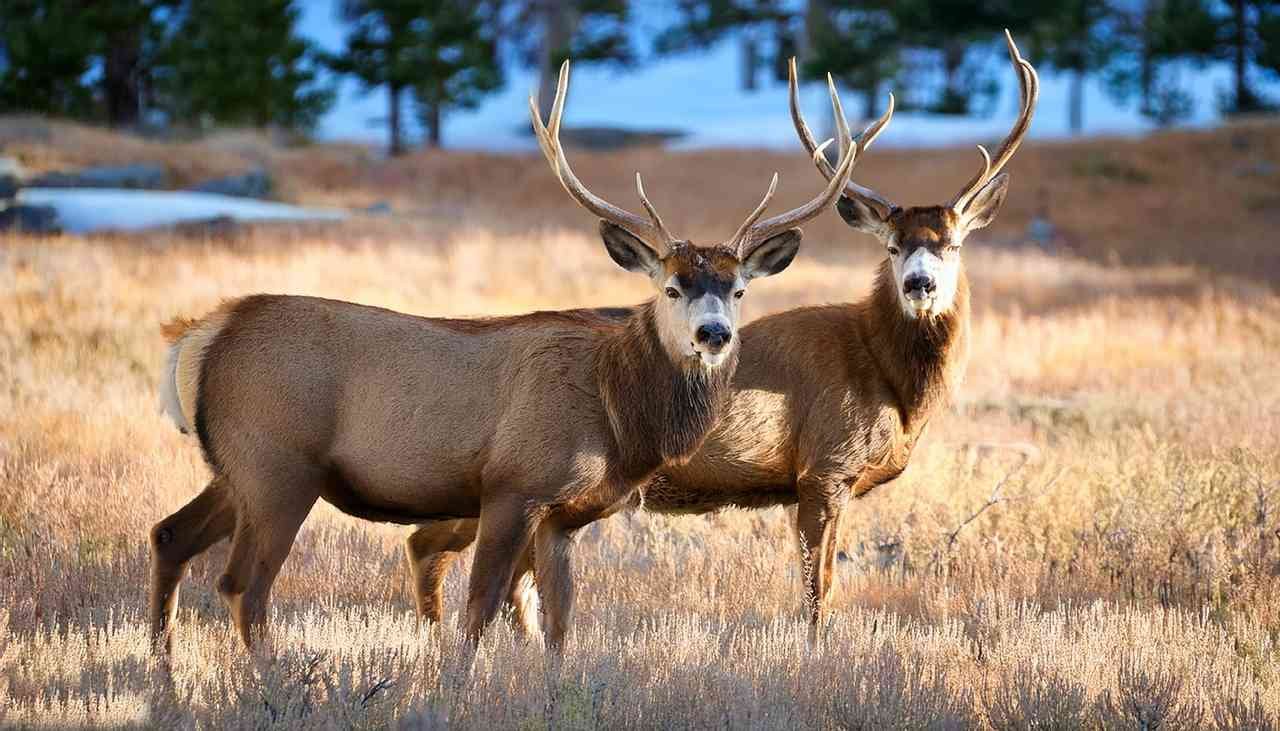
Colorado hunting season 2026-2027 covers everything from early fall dove shoots to classic deer and elk rifle hunts, late-season waterfowl, and winter predator opportunities. For many hunters, the first major fall openers arrive in September, with mourning dove opening Sept. 1 and the core archery window for several big-game species starting Sept. 2. Deer, elk, pronghorn, bear, turkey, waterfowl, small game, and furbearers all give hunters solid options across the state, but season structure changes by species, weapon, and game management unit.
That is exactly why dates matter so much in Colorado. A valid license, the right hunt code, hunter education when required, and unit-specific rules all matter just as much as scouting. Colorado also layers in habitat stamps, mandatory inspections for some species, and zone-based waterfowl rules. Before you head afield, always confirm final details with Colorado Parks and Wildlife hunting regulations because in-season updates, quota closures, and brochure revisions can change your plan fast.
✔ Hunting season dates
✔ Bag limits
✔ Legal hunting hours
✔ Required licenses
✔ Weapon restrictions
✔ Blaze orange rules
✔ Public land rules
✔ Hunter education requirements
Quick Overview Table
| Species | Season | Weapon | Best Months | Permit Required |
|---|---|---|---|---|
| Deer | Sept.-Nov. | Archery, muzzleloader, rifle | Oct.-Nov. | Yes |
| Elk | Sept.-Nov. | Archery, muzzleloader, rifle | Sept.-Nov. | Yes |
| Black Bear | Sept.-Nov. | Archery, muzzleloader, rifle | Sept.-Oct. | Yes |
| Pronghorn | Late summer-fall, varies by unit | Archery, muzzleloader, rifle | Aug.-Oct. | Yes |
| Moose | Sept.-Nov., limited | Archery, muzzleloader, rifle | Sept.-Oct. | Yes |
| Bighorn Sheep | Limited, unit-specific | Rifle/archery by license | Aug.-Oct. | Yes |
| Mountain Goat | Limited, unit-specific | Rifle/archery by license | Sept.-Oct. | Yes |
| Turkey | Apr.-May and Sept.-Jan., depending on season | Shotgun, archery; limited rifle use in fall only | Apr.-May, Sept.-Oct. | Yes |
| Waterfowl | Sept.-Apr., zone dependent | Shotgun only with nontoxic shot | Oct.-Jan. | Yes |
| Small Game/Furbearers | Varies; many annual dates | Shotgun, rimfire, archery, legal methods | Sept.-Feb. | Yes |
Key Hunting Dates for Colorado Hunting Season 2026-2027
Big Game
- Deer: General structure follows Sept. 2-30 archery, Sept. 12-20 muzzleloader, and four regular rifle seasons: Oct. 14-18, Oct. 24-Nov. 1, Nov. 7-15, and Nov. 18-22. Plains deer and some limited hunts vary by hunt code and unit.
- Elk: General structure mirrors deer for the main archery, muzzleloader, and four rifle seasons above. OTC opportunity still depends on unit and season.
- Moose: Archery Sept. 12-30; muzzleloader Sept. 12-20; rifle Oct. 1-14. This is a limited-license hunt only, with mandatory inspection rules.
- Black Bear: Archery Sept. 2-30; muzzleloader Sept. 12-20; September rifle Sept. 2-30; concurrent rifle windows Oct. 14-18, Oct. 24-Nov. 1, Nov. 7-15, and Nov. 18-22. Some private-land and plains structures vary by code.
- Pronghorn: Colorado uses hunt-code and unit-specific dates. Expect archery and firearms opportunities from late summer into fall, but always follow the dates printed on your pronghorn license.
- Bighorn Sheep: Limited only. Dates vary by unit and license.
- Mountain Goat: Limited only. Dates vary by unit and license.
- Bison: No regular bison hunting season is proposed statewide; access comes through special bison roster opportunities rather than a standard annual season.
- Wild Hog / Javelina: No established sport season. Feral hogs are treated as invasive wildlife, not a standard big-game season.
- Notes: Colorado is heavily unit-driven. GMU boundaries, quota structure, and license type control your legal season.
Turkey
- Spring: Apr. 11-May 31, 2026.
- Fall: Sept. 1-Oct. 4 west of I-25 and in GMU 140; Sept. 1-Oct. 23 in most areas east of I-25.
- Late private-land season: Dec. 15, 2026-Jan. 15, 2027 in designated units.
- Youth: Extended youth season runs from the Saturday before Thanksgiving through the Sunday after Thanksgiving for eligible youth with an unfilled fall license.
- Special seasons: Ranching for Wildlife, outreach, mobility-impaired, and limited-unit turkey hunts exist in select GMUs.
Small Game
- Rabbit, snowshoe hare, jackrabbit: Oct. 1-end of February.
- Abert’s squirrel: Nov. 15-Jan. 15.
- Fox squirrel and pine squirrel: Oct. 1-end of February.
- Marmot: Aug. 10-Oct. 15.
- Prairie dog: Public land June 15-end of February; private land year-round.
- Wyoming ground squirrel: Year-round.
Upland Birds
- Dusky grouse: Sept. 1-Nov. 23.
- Mountain sharp-tailed grouse: Sept. 1-21.
- Greater sage-grouse: Very limited, short September windows by unit.
- White-tailed ptarmigan: Short September-November windows depending on hunt area.
- Chukar partridge: Sept. 1-Nov. 30.
- Pheasant: Nov. 8, 2026-Jan. 31, 2027 east of I-25; shorter season west of I-25.
- Quail: November through January, with regional differences.
Waterfowl
- September teal: Sept. 12-20, 2026 in eligible areas.
- Ducks and coots: Zone-based. Mountain/Foothills, Northeast, Southeast, Western, and Eastern zones each have different dates.
- Geese: Zone-based with separate dark goose and light goose frameworks.
- Dove: Sept. 1-Nov. 29.
- Band-tailed pigeon: Sept. 1-14.
- Rail: Sept. 1-Nov. 9.
- Snipe: Sept. 1-Dec. 16.
- Sandhill crane: Oct. 3-Nov. 29, 2026 in eligible areas.
- Special opportunities: Youth, veteran, and active-duty military waterfowl days occur before the regular opener in some zones.
- Migratory bird hunters should also watch U.S. Fish & Wildlife Service migratory bird rules for framework-level updates.
Furbearers
Colorado classifies badger, beaver, bobcat, foxes, mink, muskrat, pine marten, opossum, raccoon, ring-tailed cat, skunks, swift fox, weasels, and coyote under furbearer/small-game rules. Many of these species use annual frameworks, but hunters should rely on the current brochure and hunt method rules, especially for night hunting, permits, and mandatory checks.
Predators
- Coyote: Open year-round; no furbearer harvest permit required, but HIP registration is required before your license is valid.
- Fox: Huntable under furbearer rules.
- Mountain lion: Nov. 23, 2026-March 31, 2027, subject to unit quota closures.
- Wolf: No open sport hunting season.
Special Opportunities
Colorado also offers youth hunts, outreach licenses, mobility-impaired access in some hunts, veteran and active-duty waterfowl days, apprentice hunting, and mentored youth opportunities.
Hunting License Fees
| License Type | Resident Fee | Nonresident Fee | Notes |
|---|---|---|---|
| Annual Small Game | $38.49 | $104.86 | Verified 2026 qualifying license |
| Small Game + Fishing Combo | $64.02 | — | Resident adult combo |
| Youth Small Game | $2.53 | $2.53 | Reduced-cost youth qualifying license |
| Senior Small Game/Fishing Combo | $38.03 | — | Colorado residents 64+ |
| Senior lifetime-holder annual small game | $27.82 | — | For eligible lifetime fishing holders |
| Habitat Stamp | $12.76 | $12.76 | Required once yearly for most hunters ages 18-64 |
| Lifetime Habitat Stamp | $384.16 | $384.16 | Optional lifetime purchase |
| Veteran Lifetime Combo | Free | — | Eligible resident disabled veterans/Purple Heart |
| First Responder Lifetime Combo | Free | — | Eligible resident first responders |
| Turkey, deer, elk, bear, pronghorn, sheep, goat, moose, lion | Varies | Varies | Species, residency, draw status, and hunt code matter |
| Furbearer permit/add-ons | Varies | Varies | Bobcat sealing and some permits add compliance steps |
| Band-tailed pigeon permit | $5 | $5 | Added to small-game license |
Important Hunting Regulations
- Carry the correct license for the species and unit you hunt.
- Limited-license units require the exact valid limited license.
- Most annual licenses run March 1-March 31 of the following year.
- A habitat stamp is generally required for hunters ages 18-64.
- Hunters born on or after Jan. 1, 1949 need hunter education unless exempt.
- Apprentice certificates are available for hunters age 10+.
- An apprentice certificate is valid for one year and may be used only twice.
- Apprentices must stay in voice and visual contact with a mentor.
- Mentors may supervise no more than two apprentices at a time.
- Remote or computer-assisted hunting is illegal.
- Private land always requires landowner permission.
- Bear baiting is illegal.
- You may not kill a black bear cub or a sow with cubs.
- Harvested black bears require inspection and sealing within five working days.
- Moose require mandatory inspection and reporting.
- Bobcats must be inspected and sealed before hides leave Colorado.
- Coyotes do not require a furbearer harvest permit, but HIP registration is required.
- Some furbearers may be hunted at night under Colorado’s night-hunting rules.
- Night hunting on private land requires written permission.
- Night-hunting access on public land is more restricted and not valid during certain rifle big-game seasons.
- During regular deer/elk/pronghorn/moose rifle seasons, small-game firearm options narrow in some situations.
- Waterfowl hunters must use nontoxic shot.
- Migratory bird seasons are zone-based, so map your flyway carefully.
- Dogs may be used only where rules allow, including lion, waterfowl, small game, and furbearers.
- OHVs on public land need valid registration or permits where required.
- Vehicle use is limited to legal access and transport, not road hunting.
- Follow all GMU, SWA, National Forest, and walk-in area rules.
- Mountain lion hunters must pass the required lion exam.
- Lion hunters must check unit quota closures after 5 p.m. the day before hunting.
- Feral hogs, Eurasian collared-doves, starlings, and house sparrows are treated differently from standard game species.
- Edible portions of big game must be properly cared for.
- CWD, carcass transport, and proof-of-sex rules can apply by species and area.
- Blaze orange requirements apply during rifle seasons; always match the current brochure for species-specific exceptions.
- Sunday hunting is legal in Colorado.
- Waterfowl and turkey hunters should double-check weapon restrictions before opening day.
Best Hunting Places in Colorado
Best Deer Hunting Areas
Piceance Basin and northwest Colorado offer classic mule deer habitat, large public-land blocks, and rugged country. Hunters like the mix of migration routes, sage benches, and timber pockets. Access is mostly public, but success takes solid glassing and hiking.
Best Turkey Hunting Areas
South-central foothills and eastern-plains edge habitat shine where pinyon-juniper, creek bottoms, and private-agriculture transitions meet. Merriam’s and Rio-influenced birds can be found depending on the area. Access often mixes public parcels with permission-based private land.
Best Waterfowl Hunting Areas
North Park, South Park, the San Luis Valley, and the northeast-reservoir belt stand out for ducks and geese. Marshes, reservoirs, grain fields, and river corridors attract birds. Difficulty ranges from easy walk-in setups to weather-dependent late-season hunts.
Best Small Game Areas
Eastern plains walk-in properties and shortgrass country are strong for pheasant, quail, and prairie dog, while mountain timber and oak brush produce squirrels, rabbits, and grouse. Terrain is easier on the plains and more demanding in the high country.
Best Public Hunting Lands
Colorado’s best public access tools are National Forests, BLM land, State Wildlife Areas, and the Walk-In Access Program. Use the Hunting Atlas before you travel because road closures, fire restrictions, and seasonal rules change fast.
Best Wildlife Management Areas
State Wildlife Areas and walk-in parcels can be excellent for waterfowl, turkey, and upland birds. These spots are popular because they simplify access, but pressure can be high on weekends and openers.
Bag Limits
| Species | Daily Limit | Possession Limit | Special Notes |
|---|---|---|---|
| Deer / Elk / Bear / Moose / Pronghorn | By license | By license | Usually one animal per valid license |
| Turkey (spring) | By license | By license | Up to two bearded birds through allowed license structure |
| Turkey (fall) | 1 | 1 | Either sex |
| Turkey (late private land) | 2 | 2 | Beardless only |
| Rabbit / Hare / Jackrabbit | 10 each | 20 each | Annual dates |
| Abert’s squirrel | 2 | 4 | Statewide |
| Fox / Pine squirrel | 5 each | 10 each | Statewide |
| Marmot | 2 | 4 | Seasonal |
| Prairie dog | No limit | No limit | Public/private dates differ |
| Pheasant | 3 cocks | 9 cocks | Regional season differences |
| Dove | 15 | 45 | Mourning and white-winged combined rule applies |
| Band-tailed pigeon | 2 | 6 | Extra permit required |
| Snipe | 8 | 24 | Statewide |
| Rail | 25 | 75 | Sora and Virginia rail |
| Ducks | 6 or 7 | Species rules apply | Depends on flyway zone |
| Coot | 15 or 25 | Zone-based | Depends on flyway zone |
| Dark geese | 5 | Zone-based | Flyway and local framework matter |
| Light geese | 50 | Zone-based | Unlimited during conservation order |
| Crow | Unlimited | Unlimited | Open season applies |
Legal Hunting Hours
For Colorado hunters, legal hours depend on species. Small game and most furbearers generally follow one-half hour before sunrise to one-half hour after sunset. Waterfowl and other migratory birds follow the state’s posted shooting-hour tables, which can vary by zone and date. Turkey and big-game hunters should follow the exact brochure and hunt-code language for their species. Night hunting is limited mainly to certain furbearers, coyotes, and invasive species under specific rules.
Hunter Education Requirements
Colorado requires hunter education for anyone born on or after Jan. 1, 1949. The standard classroom course includes at least 10 hours, and the hybrid online-plus-conclusion option is also available. Hunters age 50 and older may use a one-time online test-out, and eligible military members and veterans may test out as well. Apprentice hunters must be at least 10 years old, can use the certificate twice, and must stay with a qualified mentor. There is no minimum age for turkey hunting if the youth meets the hunter-ed and mentoring rules.
Public vs Private Land Hunting
Public land hunting in Colorado is strong, but access takes homework. National Forests, BLM tracts, State Wildlife Areas, and walk-in properties all have different rules. Wildlife Management Areas may limit species, methods, dates, or entry routes. State Trust Land and walk-in access can be excellent for birds and small game, but maps matter. Private-land hunting requires permission every time. If you want a neighboring-state comparison for planning western trips, see this Wyoming hunting season guide.
Frequently Asked Questions
When does hunting season start in Colorado?
For many hunters, the first big fall openers are Sept. 1 for dove and Sept. 2 for major archery big-game seasons.
Do I need a hunting license in Colorado?
Yes. Nearly every huntable species requires the proper Colorado license, and some also need permits or stamps.
Can nonresidents hunt in Colorado?
Yes, but nonresident fees are higher and many species are limited by draw or quota.
Do I need a habitat stamp?
Usually yes, if you are age 18-64 and buying a qualifying license.
Can I hunt on Sundays in Colorado?
Yes, Sunday hunting is legal.
Do I need hunter education?
If you were born on or after Jan. 1, 1949, yes, unless you qualify for an allowed exemption or apprentice pathway.
Can I use an apprentice certificate?
Yes. It is available to eligible hunters age 10 and older and is valid for one year.
Can I hunt coyotes year-round?
Yes, but you still need a valid license and HIP registration.
Is mountain lion hunting open in Colorado?
Yes, but only in open units and only until a unit quota closes.
Can I bait deer or bear?
Bear baiting is illegal, and hunters should assume strict bait rules apply unless the current brochure clearly allows otherwise.
Can I hunt waterfowl with lead shot?
No. Nontoxic shot is required.
Are waterfowl dates the same statewide?
No. Colorado uses multiple flyway zones with different dates.
Do I need permission to hunt private land?
Yes. Always get landowner permission.
Can I hunt on public land?
Yes, but you must follow the rules for that public parcel and your hunt code.
What happens after I harvest a bobcat or bear?
Bobcats and bears have mandatory inspection and sealing requirements.
Are there regular bison or wolf hunting seasons?
No regular statewide bison season is proposed, and wolves do not have an open sport hunt.
Final Thoughts
Colorado hunting season 2026-2027 gives hunters a huge menu of opportunities, but it rewards people who read the fine print. Dates, quotas, GMUs, weapon restrictions, and access rules all shape a legal hunt. Stay conservative with your planning, respect landowners, handle game properly, and treat safety and conservation as part of the hunt. Most of all, verify your final dates, license details, and in-season changes with Colorado Parks and Wildlife before you step into the field.

- Important Virginia Hunting Dates and 2026-2027 Season Regulations - August 13, 2026
- Vermont Hunting: 2026-2027 Dates and Season Rules - August 13, 2026
- Prepare for Wyoming Hunting: 2026-2027 Season Dates and Regulations - August 13, 2026