
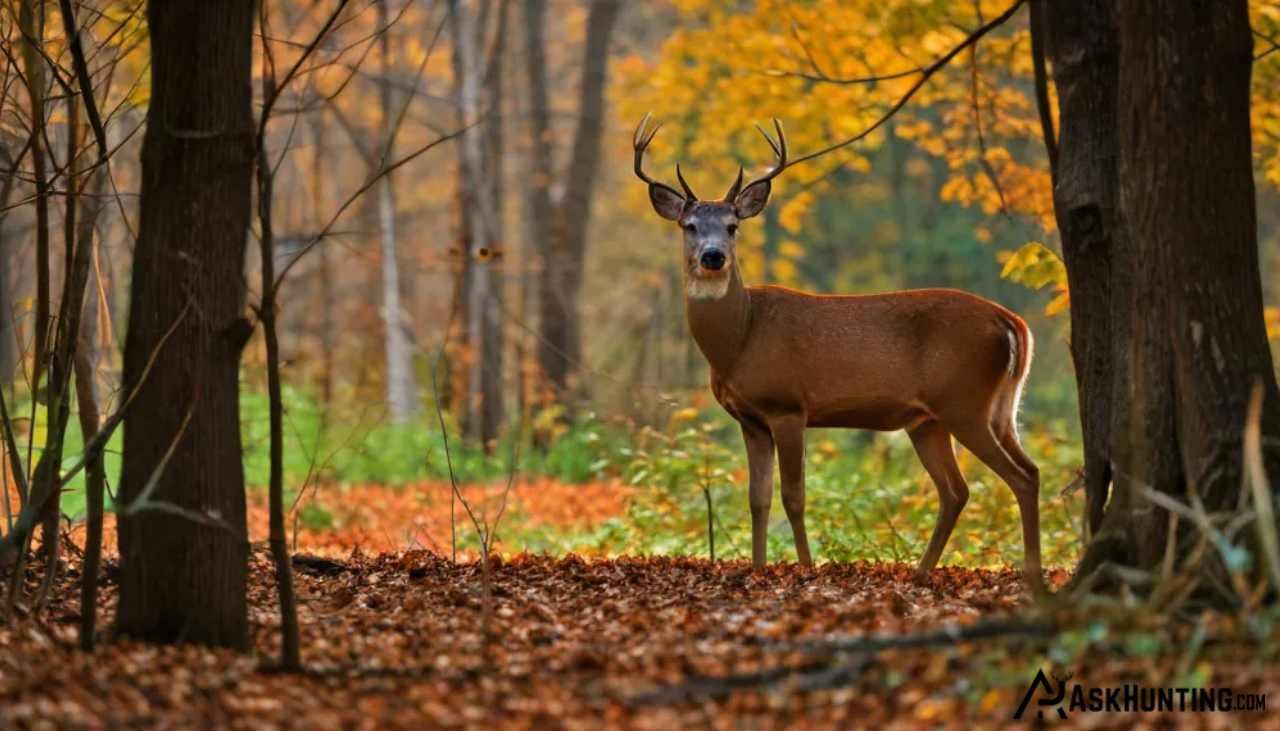
Vermont hunting season 2026-2027 offers opportunities for white-tailed deer, black bear, wild turkey, moose, small game, upland birds, waterfowl, and selected furbearers. The first major fall opportunities begin with expanded archery deer season on September 15, followed by small game, grouse, waterfowl, and regular deer seasons. Spring turkey hunting starts May 1, while the regular 16-day deer season runs from November 14 through November 29, 2026.
Knowing Vermont hunting dates matters because seasons, Wildlife Management Unit rules, permits, and bag limits can change by species and year. Hunters also need the correct hunting license before entering the field. Depending on the hunt, additional archery, muzzleloader, antlerless deer, moose, waterfowl, or federal migratory bird permits may be required. Always review the latest Vermont hunting regulations and official season guide before hunting. Following legal shooting hours, tagging rules, blaze orange requirements, land-access rules, and harvest-reporting requirements protects both hunters and Vermont’s wildlife resources.
Vermont Hunting Checklist
- ✔ Hunting season dates
- ✔ Bag limits
- ✔ Legal hunting hours
- ✔ Required licenses
- ✔ Weapon restrictions
- ✔ Blaze orange rules
- ✔ Public land rules
- ✔ Hunter education requirements
1. Quick Overview
| Species | Season | Weapon | Best Months | Permit Required |
|---|---|---|---|---|
| White-tailed deer | September 15–December 15 | Bow, muzzleloader, or legal firearm | October–November | Archery or muzzleloader license; antlerless permit where required |
| Black bear | September 1–November 22 | Legal firearm, bow, or dogs by permit | September–November | Hunting license; dog permit for applicable hunts |
| Wild turkey | April 25–November 13, with WMU variations | Shotgun or bow | May and October | Hunting license and turkey authorization |
| Moose | October 1–October 25 if permits are issued | Archery or legal firearm | October | Lottery permit |
| Rabbit and hare | September 26, 2026–March 2027 | Shotgun, rifle, or lawful archery equipment | October–February | Small game license |
| Ruffed grouse | September 26–December 31 | Shotgun, rifle, or lawful archery equipment | October–November | Small game license |
| Waterfowl | September 1, 2026–January 4, 2027, depending on species and zone | Non-toxic shotgun ammunition | October–December | Vermont waterfowl stamp, federal stamp, and HIP registration |
2. Key Hunting Dates
Complete Hunting Dates for Vermont Hunting Season 2026-2027
Big Game
Deer
Vermont’s deer season includes several separate opportunities:
- Expanded archery: September 15–30, 2026, in designated expanded archery zones only.
- Statewide archery: October 1–December 15, 2026.
- October muzzleloader: October 29–November 1, 2026, for antlerless deer by permit.
- Youth deer weekend: November 7–8, 2026.
- Novice deer weekend: November 7–8, 2026, for qualifying first-time license holders.
- Regular deer season: November 14–29, 2026.
- December muzzleloader: November 30–December 13, 2026.
The annual deer limit is four deer, with no more than one legal buck under the standard rule. Antler requirements vary by WMU. Antlerless harvest opportunities and permits also change annually, so hunters should check the current unit map before purchasing equipment or planning a trip.
Black Bear
- Early bear season: September 1–November 13, 2026.
- Resident bear hunting with dogs by permit: September 1–November 22, 2026.
- Nonresident bear hunting with dogs by permit: September 15–November 22, 2026.
- Late bear season: November 14–22, 2026.
Vermont has no elk, pronghorn, bighorn sheep, mountain goat, bison, wild hog, or javelina hunting season. Moose is the state’s other major big-game opportunity.
Moose
Moose hunting is available only through a permit system if the Fish and Wildlife Board authorizes the season.
- Moose archery: October 1–7, 2026.
- Moose regular season: October 17–25, 2026, if permits are issued.
A lottery permit is required. Successful hunters must also possess a current Vermont hunting license. The regular hunt lasts nine consecutive days beginning on the third Saturday in October.
Turkey
- Youth and novice weekend: April 25–26, 2026; one bearded turkey statewide.
- Spring turkey season: May 1–31, 2026; up to two bearded turkeys statewide.
- Fall archery season: October 1–November 13, 2026; one turkey of either sex statewide.
- Fall shotgun or archery, selected WMUs: October 24–November 1, 2026, in WMUs B, D, G, H, I, J, L, M, O, P, and Q.
- Fall shotgun or archery, selected WMUs: October 24–November 8, 2026, in WMUs F, K, and N.
Small Game
- Gray squirrel: September 1–December 31, 2026.
- Cottontail rabbit and snowshoe hare: September 26, 2026–March 14, 2027, in most WMUs.
- Cottontail rabbit and snowshoe hare in WMUs D and E: September 26, 2026–March 31, 2027.
- Crow: January 16–April 10, 2026, and August 21–December 18, 2026; Friday through Monday only.
Vermont does not list separate statewide seasons for prairie dogs, jackrabbits, or groundhogs in the current season summary.
Upland Birds
- Ruffed grouse, also called partridge: September 26–December 31, 2026.
- Woodcock: Dates are set under the 2026–2027 migratory game bird regulations.
- Pheasant, quail, chukar, and ptarmigan: No general statewide season is listed in the current Vermont season summary.
Waterfowl
Vermont divides waterfowl hunting into the Lake Champlain, Interior Vermont, and Connecticut River zones.
- Ducks, coots, and mergansers
- Lake Champlain Zone: October 10–November 1 and November 21–December 27, 2026.
- Interior Vermont Zone: October 10–December 8, 2026.
- Connecticut River Zone: October 13–November 11 and November 25–December 24, 2026.
- Canada geese
- September resident season: September 1–25, 2026.
- Additional dates vary by zone, including October through January opportunities.
- Snow goose: October 1–December 31, 2026, and February 26–March 10, 2027.
- Woodcock and snipe: September 26–November 9, 2026.
- Rails, gallinules, brant, and scaup: Follow the species-specific federal and Vermont regulations.
Hunters 16 and older need a federal migratory bird stamp and Vermont migratory waterfowl stamp. All migratory bird hunters must also register with HIP.
Furbearers
Current Vermont hunting and trapping summaries list these key opportunities:
- Raccoon hunting: October 10–December 31, 2026.
- Red and gray fox hunting: October 24, 2026–February 14, 2027.
- Coyote hunting without dogs: No closed season.
- Coyote hunting with dogs: December 15, 2025–March 31, 2026, by permit.
- Bobcat hunting: January 10–February 7, 2026.
- Beaver, otter, fisher, mink, muskrat, skunk, opossum, and weasel: Primarily regulated under trapping seasons rather than general hunting seasons.
- Fisher, otter, and beaver hunting: No open hunting season in the current summary.
- Wolf, lynx, and marten: No open season.
Predators
- Coyote: No closed season when hunted without dogs.
- Coyote with dogs: Permit-based and season-specific.
- Fox: October 24, 2026–February 14, 2027.
- Wolf: No open season.
- Mountain lion: No open season.
Special Opportunities
Vermont provides youth, novice, and controlled opportunities rather than a broad statewide veterans or military hunting season. Youth and novice weekends are available for deer and turkey. Controlled waterfowl hunts may occur at Mud Creek and Dead Creek Wildlife Management Areas. Hunters with qualifying severe physical disabilities may apply for an off-road permit.
3. Hunting License Fees
| License Type | Resident Fee | Nonresident Fee | Notes |
|---|---|---|---|
| Hunting license | $28 | $102 | Basic annual license |
| Five-year hunting license | $134 | $504 | Multi-year license |
| Youth hunting, under 18 | $8 | $25 | Age rules apply |
| Archery deer license | $23 | $38 | Hunting license also required |
| Muzzleloader deer license | $23 | $40 | Hunting license also required |
| Small game license | Included through applicable license structure | Check current fee schedule | Covers small game and furbearers by lawful means other than trapping |
| Moose lottery application | $10 | $25 | Application fee is nonrefundable |
| Moose permit | Set for successful applicants | Set for successful applicants | Lottery permit and current hunting license required |
| Senior permanent license | $60 one-time | Not applicable | Vermont senior eligibility rules apply |
| Disabled or off-road permit | Application-based | Application-based | Qualification and documentation required |
| Waterfowl stamp | Check current fee schedule | Check current fee schedule | Vermont stamp required |
| Federal migratory bird stamp | Federal fee | Federal fee | Required for waterfowl hunters age 16 and older |
Some permits, tags, and stamps require additional fees. Confirm the final total before checkout because a deer, turkey, waterfowl, or moose hunt may require more than the basic license.
For comparison, hunters planning travel can review this New Hampshire hunting season guide, but Vermont’s rules should never be substituted with another state’s regulations.
4. Important Hunting Regulations
- Vermont’s legal hunting hours generally run from one-half hour before sunrise to one-half hour after sunset, unless a species rule says otherwise.
- Waterfowl shooting hours generally end at sunset.
- Hunters must use legal firearms, bows, and ammunition for the species and season.
- A crossbow may be used during seasons when bow and arrow use is allowed, subject to Vermont permit rules.
- Muzzleloader hunters need the appropriate muzzleloader license.
- Archery deer hunters need an archery license in addition to the basic hunting license.
- October muzzleloader deer hunting is for antlerless deer by permit.
- Deer antler standards vary by WMU.
- Antlerless deer permits and unit availability can change annually.
- Youth and novice hunters have special weekend opportunities.
- Turkey hunters must follow bearded-bird and sex-specific limits.
- Turkey harvests must be reported through the required Vermont system.
- Big game must be tagged and reported according to current instructions.
- Hunters must wear required blaze orange during seasons and activities covered by Vermont law.
- Orange exceptions can apply to certain archery-only situations; verify the current rule before hunting.
- Sunday hunting is legal in Vermont, but all normal season and safety rules still apply.
- Night hunting is not automatically legal for every species.
- Coyote hunting without dogs has no closed season, but equipment and other regulations remain in force.
- Coyote hunting with dogs requires a permit and follows separate dates.
- Electronic calls may be restricted by species or method; check the current rule before use.
- Baiting is not universally legal and should never be assumed for deer, bear, or turkey.
- Drones may not be used to locate, pursue, harass, or recover game in violation of wildlife law.
- Road hunting and shooting from or across roads are prohibited or restricted for safety reasons.
- Hunters need landowner permission before entering private property.
- Tree stands and ground blinds must not damage trees or create unsafe conditions.
- Vehicles, ATVs, and boats may be used only where access rules permit.
- Waterfowl hunters must use approved non-toxic shot.
- Migratory bird hunters must complete HIP registration.
- Waterfowl hunters age 16 and older need both federal and Vermont stamps.
- Federal migratory bird rules apply to ducks, geese, coots, snipe, and woodcock.
- Suppressors and concealed carry must comply with all applicable federal and Vermont firearm laws.
- Magazine capacity and caliber rules depend on the species and weapon used.
- Hunters may not harass, obstruct, or interfere with another lawful hunter.
- Carcass transportation rules apply to big game taken inside or outside Vermont.
- Hunters should use a leashed tracking dog handler when legal recovery assistance is needed.
- CWD-related carcass movement rules may change if disease is detected or restrictions are expanded.
- A hunting license does not guarantee access to private land or controlled public hunting areas.
5. Best Hunting Places in Vermont
Best Deer Hunting Areas
The Champlain Valley and southwestern foothills combine farms, hedgerows, hardwoods, and travel corridors. These areas support strong deer habitat and offer easier terrain than the high Green Mountains. Much of the best access is private, so permission is essential.
Best Turkey Hunting Areas
The southwestern foothills, southern Champlain Valley, and eastern foothills are well known for turkey habitat. Look for mature oak and hickory near agricultural fields. Terrain is moderate, but private-land access can be the main challenge.
Best Waterfowl Hunting Areas
The Champlain Valley provides marshes, lake edges, agricultural fields, and public wetlands. The Northeast Kingdom, Lake Memphremagog, Connecticut River Valley, and associated oxbows also attract ducks and geese. Zone dates and controlled-hunt rules apply.
Best Small Game Areas
Brushy fields, hedgerows, creek bottoms, and overgrown farms are productive for cottontails. Snowshoe hare are more common in young spruce and fir stands, cedar swamps, and managed forest cuts. Mature beech, oak, and hickory stands are good squirrel habitat.
Best Public Hunting Lands
State forests, state lands, and federal forest parcels can provide public hunting land, but access rules differ. Review parking, firearm-discharge, seasonal closures, and posted restrictions before entering.
Best Wildlife Management Areas
Mud Creek and Dead Creek WMAs are important waterfowl destinations and may host controlled hunts. Other Vermont WMAs provide habitat for deer, turkey, grouse, rabbits, and migratory birds. Check each property’s signs and special regulations.
6. Bag Limits
| Species | Daily Limit | Possession Limit | Special Notes |
|---|---|---|---|
| Deer | Unit and season dependent | Four deer annually | Normally no more than one legal buck |
| Spring turkey | Two bearded turkeys per spring | Follow annual limit | Statewide |
| Youth/novice turkey | One bearded turkey | Follow annual limit | Statewide weekend |
| Fall turkey | One turkey of either sex | Follow annual limit | WMU dates vary |
| Ducks | Six | Three times daily limit | Species sublimits apply |
| Snow geese | 25 | No possession limit | Special season rules |
| Canada geese | Varies by season | Species-specific | September and migratory periods differ |
| Ruffed grouse, rabbit, hare, squirrel | Species-specific | Species-specific | Confirm current guide before hunting |
7. Legal Hunting Hours
For most Vermont hunting, legal hours are tied to daylight and begin or end according to the species regulation. Waterfowl hunting generally begins one-half hour before sunrise and ends at sunset. Turkey and big-game hunters should confirm the exact legal shooting-hour language in the current guide, especially during special youth, novice, muzzleloader, or controlled seasons.
Night hunting is not a general permission to hunt every species after dark. Predator and furbearer rules can be different from deer, turkey, and waterfowl rules. When in doubt, stop hunting at sunset and verify the species-specific regulation.
8. Hunter Education Requirements
Most new hunters must provide proof of a current or previous hunting license from any state or province or a hunter education certificate when applying for a Vermont hunting license. Hunter education generally includes safety, wildlife identification, ethical conduct, firearm or bow handling, and field responsibilities.
Youth hunters must follow the applicable age and supervision rules. Vermont also recognizes novice opportunities for people who purchased their first hunting license within the previous 12 months and are at least 16. Apprentice or mentored options may be available under current department rules, but applicants should verify the exact requirements before hunting.
9. Public vs. Private Land Hunting
Hunters may use public lands only when the property is open to hunting and the activity follows posted rules. Vermont state forests, wildlife management areas, federal lands, and certain wetlands may have different access, parking, firearm, blind, boat, or controlled-hunt requirements.
Private land generally requires landowner permission. Do not assume that an unfenced field, unposted woodland, or familiar hunting spot is open. Ask before entering, respect crops and livestock, avoid residences and roads, and leave gates as you found them. WMAs may be public, but controlled hunts, parking limits, waterfowl zones, and seasonal closures can still apply.
10. Frequently Asked Questions
When does Vermont hunting season start in 2026?
Expanded archery deer season starts September 15, 2026, in designated zones. Other early opportunities include black bear on September 1 and small game on September 1.
Do I need a Vermont hunting license?
Yes. Most hunters need a valid Vermont hunting license, plus any species-specific license, stamp, tag, or permit required for the hunt.
Can nonresidents hunt in Vermont?
Yes. Nonresidents may hunt with the correct nonresident license and any required additional permits. Moose hunting is limited by lottery allocations.
Can I hunt on Sundays in Vermont?
Yes, Sunday hunting is generally legal, but the species must be in season and all equipment, land-access, and shooting-hour rules still apply.
Can I use a crossbow in Vermont?
A crossbow may be used during a season when bow and arrow hunting is permitted, subject to the applicable Vermont permit and equipment rules.
Do I need hunter education?
Most new hunters need proof of hunter education or a qualifying previous license. Youth, novice, and apprentice rules may provide specific alternatives.
Can I bait deer or bear?
Do not assume baiting is legal. Baiting rules vary by species and circumstance, so check the current Vermont regulation before placing or hunting over bait.
Can I hunt on public land?
Yes, where the property is open to hunting. Check WMA, state forest, federal, refuge, wetland, parking, and controlled-hunt rules first.
Can I hunt at night?
Not as a general rule. Night hunting restrictions depend on the species and method. Verify the current regulation before hunting after sunset.
What is the blaze orange requirement?
Hunters must wear blaze orange where Vermont law requires it during applicable seasons. Archery-only exceptions may apply, but hunters should confirm the current rule.
11. Final Thoughts
Vermont hunting season 2026-2027 provides a wide range of opportunities, from spring turkey and September bear hunting to archery deer, muzzleloader seasons, grouse, snowshoe hare, waterfowl, and limited moose permits. The most important preparation steps are checking the correct WMU, buying the proper license, confirming bag limits, securing land permission, and reviewing legal shooting hours.
Responsible hunting also means reporting harvests, wearing required safety clothing, respecting landowners, using ethical shot placement, and helping conserve Vermont’s forests and wildlife. Regulations can change during the year, especially for antlerless deer permits, moose allocations, waterfowl zones, and disease-related carcass rules. Confirm the latest official information with Vermont Fish & Wildlife before every hunt.

- Important Virginia Hunting Dates and 2026-2027 Season Regulations - August 13, 2026
- Vermont Hunting: 2026-2027 Dates and Season Rules - August 13, 2026
- Prepare for Wyoming Hunting: 2026-2027 Season Dates and Regulations - August 13, 2026