
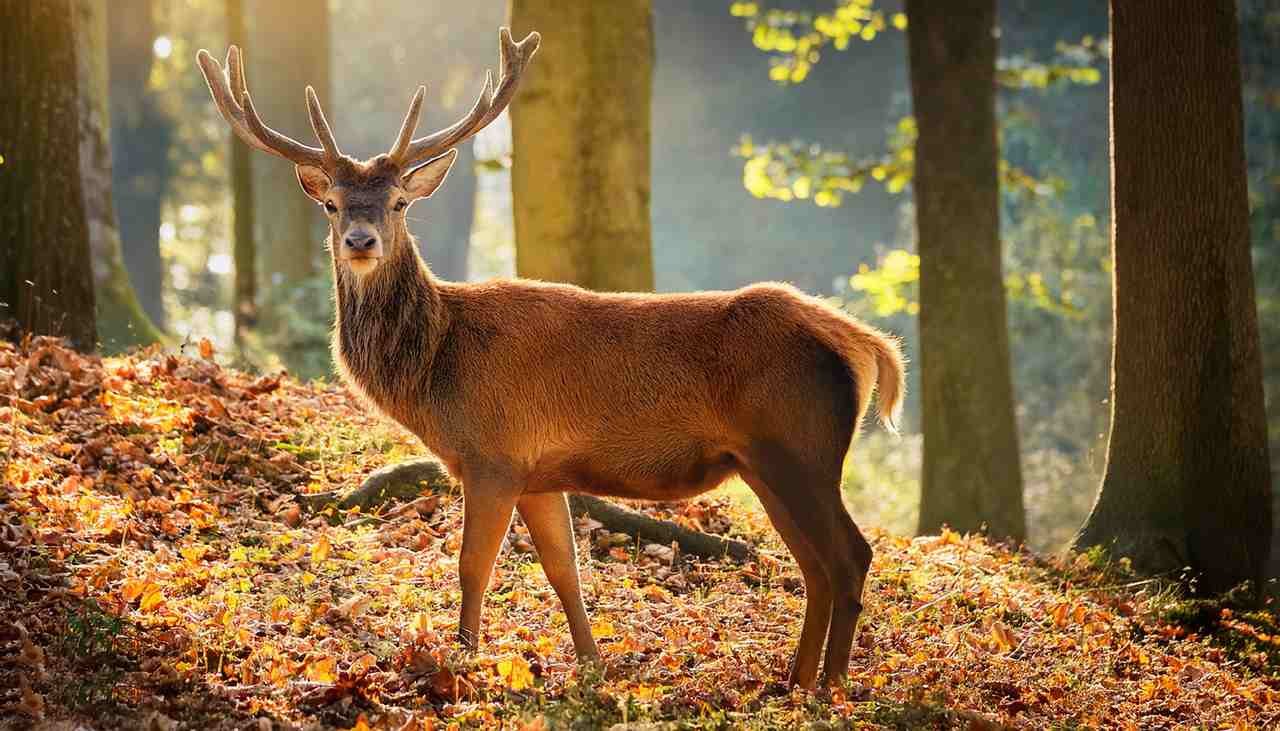
Wisconsin’s hunting tradition runs deep. Generations of hunters have walked these hardwood ridges, marsh edges and sprawling farmland oak savannas in pursuit of whitetails, black bears, ruffed grouse and big Canada geese. The state’s mix of public acreage — more than seven million acres — combined with a long mix of managed forest lands, makes Wisconsin a destination that rewards both first-time hunters and seasoned sportsmen.
The Wisconsin hunting season 2026-2027 officially opens across multiple species between September and November 2026. Whitetail deer remains the headline species, with archery opening September 12, 2026 and running through early January 2027, while the gun deer tradition kicks off November 21, 2026. Black bear, wild turkey, waterfowl and small game seasons overlap into one of the most diverse hunting calendars in the Midwest. Hunters should check season dates carefully because wildlife management zones dictate exact opening and closing days, and chronic wasting disease (CWD) regulations vary by county. Knowing the dates protects you from costly mistakes and keeps Wisconsin’s deer herd healthy for the next generation of hunters.
Before you head afield, confirm that you carry the right license and stamps. Wisconsin requires a base hunting license plus species-specific stamps, harvest authorizations and permits — many of which are issued through a preference-point drawing system. Following regulations is more than compliance; it preserves hunting opportunities for years to come.
✔ Hunting season dates
✔ Bag limits
✔ Legal hunting hours
✔ Required licenses
✔ Weapon restrictions
✔ Blaze orange rules
✔ Public land rules
✔ Hunter education requirements
SECTION 1 — Quick Overview
| Species | Season | Weapon | Best Months | Permit Required |
|---|---|---|---|---|
| White-tailed Deer | Sept. 12, 2026 – Jan. 31, 2027 | Archery, Crossbow, Gun, Muzzleloader | Oct–Nov | Bonus antlerless tags (zone-specific) |
| Black Bear | Sept. 9 – Oct. 13, 2026 | Gun, Bow + Bait/Dogs (zone-dependent) | Sept–Oct | Class A Bear License (drawing) |
| Elk (Northern Zone) | Oct. 17 – Dec. 13, 2026 | Archery, Crossbow, Firearm | Oct–Nov | Once-in-a-lifetime draw (residents only) |
| Wild Turkey — Fall | Sept. 12, 2026 – Jan. 3, 2027 | Shotgun, Bow | Oct–Nov | Fall Turkey License + Stamp + Authorization |
| Wild Turkey — Spring | April 17 – June 1, 2027 | Shotgun, Bow | April–May | Spring Turkey License + Stamp + Authorization (drawing) |
| Ducks | Sept. 26 – Dec. 15, 2026 | Shotgun | Oct–Nov | Small Game + State Waterfowl Stamp + Federal Duck Stamp + HIP |
| Geese | Sept. 1, 2026 – Jan. 5, 2027 | Shotgun | Sept–Dec | Small Game + State Waterfowl Stamp + Federal Duck Stamp + Goose Permit + HIP |
| Cottontail Rabbit & Squirrel | Sept. 12, 2026 – Feb. 28, 2027 | Rimfire, Bow, Air gun | Oct–Dec | Small Game License |
| Ruffed Grouse | Oct – Jan (zone-dependent) | Small-caliber shotgun, Bow | Oct–Nov | Small Game License |
| Pheasant | Oct – Jan | Shotgun | Oct–Dec | Small Game License |
| Bobcat | Nov. 10, 2026 – Feb. 15, 2027 | Firearm, Bow, Trap | Dec–Jan | Bobcat Permit (drawn before season) |
SECTION 2 — Complete Hunting Dates for Wisconsin Hunting Season 2026-2027
Big Game
White-tailed Deer — Wisconsin’s most pursued species. The archery and crossbow season runs Sept. 12, 2026 through Jan. 3, 2027, with extended archery continuing until Jan. 31, 2027 in Metro subunits and select Farmland counties. The Youth Deer Hunt runs Oct. 10–11, the Deer Hunt for Hunters with Disabilities runs Oct. 3–11, the regular Gun Deer Hunt runs Nov. 21–29, Muzzleloader Season runs Nov. 30 – Dec. 9, the Statewide Antlerless-only Hunt runs Dec. 10–13, and the Antlerless-only Holiday Hunt runs Dec. 24, 2026 – Jan. 1, 2027 in select DMUs. Dates vary by Deer Management Unit (DMU), which mirror county boundaries in the Central and Southern Farmland zones and follow habitat units in the Northern and Central Forest zones.
Black Bear — Wisconsin bear zones (A, B, C, D, E, F) each have unique rules. In Zones A, B and D, where hounds are allowed, hunting runs Sept. 9 – Oct. 13 with three distinct sub-periods controlling bait and dog use. In Zones C, E and F, the season runs Sept. 9 – Oct. 13 using bait and legal firearms only. Bear hunters must possess a Class A license earned through the Dec. 10 application deadline preference-point lottery.
Elk — Wisconsin’s elk herd, now designated the Northern Elk Management Zone (formerly the Clam Lake Elk Range), supports a once-in-a-lifetime bull-only hunt. The 2026-2027 Wisconsin elk season runs Oct. 17 through Dec. 13, 2026 with archery, crossbow and firearm methods. The 2026 quota was set at eight bull elk (subject to 50% Ojibwe tribal declaration). Application period for residents opens March 1 and closes May 31.
Wisconsin does not have pronghorn antelope, bighorn sheep, mountain goat, bison, javelina or free-ranging wild hog populations. Resource managers do classify feral swine as an invasive, unprotected species, so there is no closed season on them.
Turkey
The 2026 Fall Turkey Season runs statewide Sept. 12, 2026 through Jan. 3, 2027, and one fall harvest authorization is included with each fall turkey or Conservation Patron license. The 2027 Spring Youth Hunt runs April 17–18, followed by six weekly periods: Period A April 21–27, Period B April 28 – May 4, Period C May 5–11, Period D May 12–18, Period E May 19–25, and Period F May 25 – June 1. Spring authorizations are awarded through a Dec. 10 preference-drawing application, with bonus authorizations sold over the counter after the drawing.
Small Game
Small game seasons open Sept. 12, 2026 for most species and run through late winter. Gray and fox squirrels are statewide Sept. 12, 2026 – Feb. 28, 2027. Cottontail rabbit runs Sept. 12, 2026 – Feb. 28, 2027 in the Northern Zone and a slightly different closing in the Southern Zone. Wisconsin also offers seasons on snowshoe hare, woodchuck (year-round as an unprotected species), and jackrabbit. Additional unprotected species — including opossum, skunk, weasel, porcupine and English sparrow — can be taken year-round without bag limits. Wisconsin does not have prairie dog populations or chukar in any wild sense, though chukar partridge is classified as an unprotected released species.
Upland Birds
Ruffed grouse runs through the fall and into January; season dates vary by zone. Sharp-tailed grouse has limited seasons in designated counties. Hungarian (gray) partridge is found in the central farmland zone with a fall season. Pheasant seasons open in October on public hunting grounds stocked by DNR; small-game license is required. Quail populations are limited; bobwhite quail has a short season in a few southern counties and is classified as unprotected elsewhere. Sandhill crane is currently closed to hunting in Wisconsin — do not target cranes.
Waterfowl
Wisconsin’s waterfowl calendar is split into three duck zones and three goose zones. Early Teal runs Sept. 1–9, 2026. Early Goose runs Sept. 1–15. Rail, snipe and common gallinule run Sept. 1 – Nov. 9. Mourning dove runs Sept. 1 – Nov. 29. Woodcock runs Sept. 19 – Nov. 2. Youth Waterfowl is Sept. 19–20. Northern Duck Zone opens Sept. 26 – Nov. 24; Southern Duck Zone is split into Oct. 3–11 and Oct. 17 – Dec. 6; the Open Water Duck Zone runs Oct. 17 – Dec. 15. Geese continue through Dec. 16 (Northern), Dec. 19, 2026 – Jan. 2, 2027 (Southern late season), and Jan. 5, 2027 (Mississippi River Zone).
Furbearers
Trapping seasons generally open Oct. 17, 2026. Bobcat runs Nov. 10, 2026 – Feb. 15, 2027 by permit only (Aug. 1 application deadline). Red and gray fox run Oct. 17, 2026 – Feb. 15, 2027 for both hunting and trapping. Beaver, mink, muskrat, raccoon, opossum, fisher (permits), and river otter (permits) all have defined seasons.
Predators
Coyote and fox can be hunted or trapped year-round (trapping opens Oct. 17). Wolf is currently federally protected and has no open season. Mountain lion is protected as an endangered species and may not be harvested.
Special Opportunities
Wisconsin offers hunts specifically for youth (under 16), hunters with disabilities (Class A, B, C permits), apprentice/mentored hunters (born on or after Jan. 1, 1973), and active military members (license and permit privileges). The Learn to Hunt programs pair novices with mentors for deer, bear and turkey.
SECTION 3 — Hunting License Fees
| License Type | Resident Fee | Nonresident Fee | Notes |
|---|---|---|---|
| Resident Gun Deer License | $24.00 | $200.00 | Plus bonus antlerless tags ($12 res / $20 non) |
| Resident Archery License | $24.00 | $165.00 | Combined Archery + Crossbow for nonresidents |
| Crossbow Authorization | $0 (included with archery) | Included | Required separate authorization |
| Spring Turkey License + Stamp | ~$25 + $10 stamp | $65.00 | Stamp required every year |
| Fall Turkey License + Stamp | ~$25 + $10 stamp | $65.00 | One authorization included with license |
| Class A Bear License | ~$50 (with point app $3) | Same | Drawing required by Dec. 10 |
| Small Game License | $18.00 adult | $90.00 | Five-day option: $60 non |
| Conservation Patron | $165.00 | N/A | Bundles hunting + fishing permits |
| Conservation Patron Junior (12-17) | $75.00 | N/A | Resident only |
| Elk Application | $10.00 | N/A | Resident only, lifetime once |
| Apprentice/Mentored | $0 fee waiver | N/A | Hunter ed exemption, must hunt with mentor |
| Senior Citizen Recreation Card | Reduced rates | N/A | Ages 65+ residents |
| Lifetime License | Varies by age tier | N/A | One-time purchase |
| State Waterfowl Stamp | $9.50 | $9.50 | Required ages 16+ for waterfowl |
| Federal Duck Stamp | $30.00 | $30.00 | Required ages 16+ for waterfowl |
Permits requiring extra cost include bobcat, fisher, otter and elk — all drawn through the same preference-point system.
SECTION 4 — Important Hunting Regulations
- Legal firearms: centerfire and rimfire rifles, shotguns and muzzleloading firearms (single-shot during muzzleloader season).
- Legal bows: vertical compound, recurve and longbow with a minimum draw weight of 30 pounds.
- Crossbows: legal during the entire archery season with a separate crossbow authorization; minimum 125-pound draw weight.
- Air guns: .177 caliber or larger with minimum 600 fps muzzle velocity for small game.
- Suppressors: legal for hunting if compliant with federal ATF regulations.
- Blaze orange: at least 50% of clothing above the waist and head covering must be 50% blaze orange or pink during any firearm deer season.
- Hunter education: required for anyone born on or after Jan. 1, 1973, unless enrolled in the mentored hunting program or with proof of U.S. Armed Forces basic training.
- Sunday hunting: Wisconsin permits Sunday hunting for most species; firearm deer hunting on Sundays is restricted during gun deer season, but small game, turkey and waterfowl are generally allowed.
- Night hunting: shining and shooting coyotes, fox and raccoons is legal; deer and other big game may not be hunted at night.
- Electronic calls: prohibited for most wildlife; permitted only for crows and certain furbearers.
- Baiting: county-by-county baiting and feeding bans exist for CWD management; verify your county before placing bait or feed.
- Drones: prohibited for hunting, locating game, or scouting.
- Dogs: permitted for bear (zones A, B, D), fall turkey, raccoon, fox, coyote, upland birds and small game; prohibited for spring turkey.
- Vehicles on public land: ATVs/UTVs permitted only on signed ATV trails and routes.
- Road hunting: shooting from or across a highway right-of-way is prohibited.
- Public land rules: state forests, wildlife management areas and national forests permit foot access — leave gates as found, no baiting, no permanent stands.
- Private land permission: written or verbal landowner permission required; MFL/FCL-enrolled lands are open to walk-in access.
- Tree stands: portable stands only on most public lands, must be labeled with owner DNR customer ID number or name and address; no nails, screws or permanent attachments.
- CWD restrictions: review baiting/feeding bans and carcass movement rules; voluntary testing stations are widely available.
- Tagging and registration: deer and bear must be tagged immediately and registered electronically (GameReg) by 5 p.m. the day after recovery.
- Legal hunting hours: vary by species and region; sunrise-sunset for big game, half-hour-before-sunrise for small game and furbearers.
- Waterfowl ammunition: nontoxic shot required (steel, bismuth, tungsten).
- Falconry: permitted by special permit.
- Concealed carry: allowed while hunting; refer to Wisconsin carry statute for restrictions.
- Boats: portable blinds and temporary structures only on most waters; check refuge boundaries.
- Hunter harassment law: it is illegal to interfere with lawful hunting; online guide services must be licensed.
SECTION 5 — Best Hunting Places in Wisconsin
Best Deer Hunting Areas
The Driftless Area in southwestern Wisconsin delivers old-river-bottom whitetails across Crawford, Vernon and Richland counties. The Central Farmland Zone around Portage, Waushara and Adams counties holds dense deer herds. The Northern Forest Zone around Sawyer, Price and Rusk counties produces big-antlered bucks.
Best Turkey Hunting Areas
The farmland edge from Dane to Rock County produces strong spring gobbler harvests. The Southwest Wisconsin zone (Grant, Iowa, Lafayette) is widely considered the strongest turkey region in the state.
Best Waterfowl Hunting Areas
Horicon Marsh in Dodge and Fond du Lac counties is the goose-hunting capital of Wisconsin. The Mississippi River pools 7, 8 and 9 are unmatched for diver ducks and giant Canada geese. Green Bay offers world-class diver-duck hunting near the Sister Islands.
Best Small Game Areas
State wildlife areas across the Central Sand Prairie offer ruffed grouse and woodcock. Public grasslands in Iowa, Dane and Sauk counties hold pheasant, especially on stocked DNR properties.
Best Public Hunting Lands
Wisconsin offers more than seven million acres of public access. The Chequamegon-Nicolet National Forest, the Managed Forest Law (MFL) walk-in program and the Voluntary Public Access (VPA) lands together grant access to hundreds of thousands of additional private acres.
Best Wildlife Management Areas
Sandhill Wildlife Area (9,150 acres) in Juneau, Adams and Wood counties, Crex Meadows in Burnett County, and Mead Wildlife Area in Portage and Waushara counties are standouts. Access is free; parking requires a state trail pass for some properties.
SECTION 6 — Bag Limits
| Species | Daily Limit | Possession Limit | Special Notes |
|---|---|---|---|
| White-tailed Deer | 1 buck + antlerless tags | Varies by DMU | Only 1 buck per year in most DMUs |
| Black Bear | 1 per Class A license | 1 | Mandatory registration + tooth submission |
| Elk | 1 (bull-only) | 1 | Lifetime once-in-a-lifetime |
| Wild Turkey (Spring) | 1 bearded turkey | 1 | Per harvest authorization |
| Wild Turkey (Fall) | 1 any turkey | 1 | Per harvest authorization |
| Ducks | 6 (species-specific) | 18 | Aggregate daily bag |
| Geese (Canada) | 5 (zone-specific) | 15 | Daily bag may include white-fronted geese |
| Coots | 15 | 45 | Combined with duck aggregate |
| Mourning Dove | 15 | 45 | HIP registration required |
| Woodcock | 3 | 9 | HIP registration required |
| Cottontail Rabbit | Unlimited | — | Small game license |
| Squirrels | Unlimited | — | Small game license |
| Pheasant | 2 (Northern) / 3 (Southern) | Varies | Stocked on public grounds |
| Ruffed Grouse | Daily limit varies by zone | Varies | See zone-specific regulations |
| Bobcat (by permit) | 1 | 1 | Permit must be in possession |
| Coyote / Fox | Unlimited | — | Year-round, no license beyond base |
SECTION 7 — Legal Hunting Hours
Big game shooting hours are half an hour before sunrise to 20 minutes after sunset in most cases, with exact tables published annually for northern and southern regions. Spring turkey hours are sunrise to sunset. Fall and spring turkey, waterfowl and small game have separate shooting-hour charts for the Northern and Southern regions. Night hunting (after legal hours) using a light is permitted for coyote, fox and raccoon, but is illegal for deer, bear and elk.
SECTION 8 — Hunter Education Requirements
Anyone born on or after January 1, 1973 must complete a Wisconsin-approved hunter education course before purchasing a hunting license. Three options exist: a traditional in-person class ($10), an internet + field-day course (free online + $10 field day), and an online-only course allowed for students 18 and older ($28.95 + $10 state fee). Bowhunter education is a separately available, NBEF-approved course that satisfies archery licensing in many other states.
First-time hunter education graduates may use their certificate in place of a small game license until March 31 of the following year, and they are exempt from pheasant and state waterfowl stamp requirements during that period. Students participating in the mentored hunting program or with proof of U.S. Armed Forces basic training are exempted from the hunter education requirement.
Apprentice or mentored hunters must be accompanied by a licensed hunter within arm’s reach and comply with all mentored-program rules.
SECTION 9 — Public vs Private Land Hunting
Public land — state wildlife areas, state forests, the Chequamegon-Nicolet National Forest, and the Apostle Islands National Lakeshore — provides free walk-in access. The Managed Forest Law (MFL) and Forest Crop Law (FCL) programs open enrolled private forestland to public hunting without contacting the landowner. The Voluntary Public Access (VPA) program provides more than 30,000 privately owned acres open to the public year-round. Hunters can locate each type of land through the DNR’s Public Access Lands mapping application.
Private land hunting requires written or verbal permission from the landowner. Hunters should clarify access roads, stand locations and expected behavior with the landowner before the season. Respect posted signs, do not block gates and always close gates behind you.
SECTION 10 — Frequently Asked Questions
When does hunting season start in Wisconsin?
Archery deer opens September 12, 2026, and bear season opens in early September. Wild turkey fall season opens the same day as archery deer; spring turkey opens April 17, 2027 for youth and April 21 for all hunters. Waterfowl opens September 1 for early teal and goose seasons.
Do I need a hunting license?
Yes. A base Wisconsin small game or gun deer license — plus species-specific stamps and harvest authorizations — is required for any hunting.
Can nonresidents hunt?
Yes. Nonresidents may purchase Wisconsin licenses, but they are subject to higher fees and, for elk and some turkey authorizations, may be excluded or placed in a different preference category.
Can I hunt on Sundays?
Generally yes, for small game, turkey, waterfowl and most furbearers. Firearm deer hunting on Sundays during gun deer season has historically been restricted; always check the latest year-by-year rule.
Can I use a crossbow?
Yes, during the full archery season (Sept. 12, 2026 – Jan. 3, 2027) with a separate crossbow authorization. A minimum 125-pound draw weight is required.
Do I need hunter education?
Anyone born on or after January 1, 1973 must complete hunter education — unless hunting under the mentored program or with proof of U.S. Armed Forces basic training.
Can I bait deer?
It depends on your county. Baiting and feeding bans change yearly in response to CWD detections. Always verify your county’s status on the Wisconsin DNR Baiting and Feeding Regulations page before setting out bait.
Can I hunt on public land?
Yes. Wisconsin offers more than seven million acres of public-access land, including state wildlife areas, state forests and national forests.
Can I hunt at night?
Yes, for coyote, fox and raccoon. Night hunting for deer, bear or elk is prohibited.
What is the blaze orange requirement?
During any firearm deer season, at least 50% of clothing above the waist and any head covering must be blaze orange or pink.
SECTION 11 — Final Thoughts
Wisconsin remains one of America’s premier hunting destinations, and the 2026-2027 season offers every opportunity a serious hunter could ask for — from shoreline geese on the Mississippi to the rut-effort whitetail hunts across the Driftless. Your success hinges on understanding zone-specific dates, securing harvests authorizations through the Dec. 10 deadlines, and respecting Wisconsin’s hunting license and permit framework through the official Go Wild portal. For out-of-state hunters exploring similar opportunities in neighboring states, the Michigan hunting season guide is a useful comparison.
Practice TAB-K firearm safety every trip. Scout early, support your local conservation organizations, and remember that voluntary CWD testing plays a real role in keeping Wisconsin’s deer herd healthy. Always confirm the most current regulations directly with the Wisconsin Department of Natural Resources before heading out — wildlife management zones, season dates and license fees are updated annually, and county-specific baiting bans can change mid-season.

- Important Virginia Hunting Dates and 2026-2027 Season Regulations - August 13, 2026
- Vermont Hunting: 2026-2027 Dates and Season Rules - August 13, 2026
- Prepare for Wyoming Hunting: 2026-2027 Season Dates and Regulations - August 13, 2026