
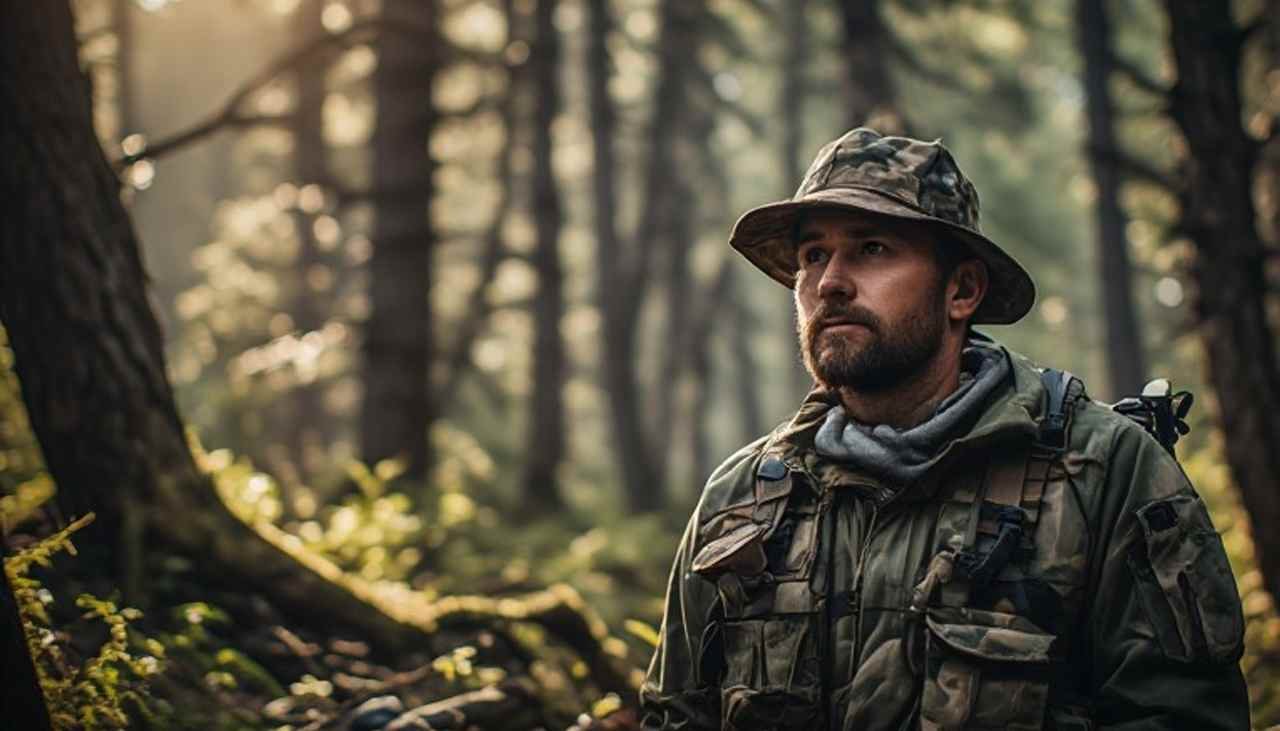
Utah hunting season 2026-2027 starts early for some hunters, with select youth elk and bison opportunities opening on Aug. 1, while most general archery big game hunts begin Aug. 15. From high-desert mule deer country to marshes packed with migrating ducks, Utah offers a wide mix of game species, including deer, elk, pronghorn, turkey, waterfowl, rabbits, upland birds, black bear, cougar and furbearers. That variety is a big reason hunters need to pay close attention to season structure before heading into the field.
Knowing Utah hunting dates is only part of the job. Hunters also need the right hunting license, species permit and unit-specific details. Utah uses weapon-specific seasons, draw hunts, quota-based hunts and hunt-area rules that can change by unit or species. For the most current official details, always confirm your hunt in the Utah Division of Wildlife Resources guidebooks and check maps, boundaries and hunt codes in the Utah Hunt Planner before hunting.
- ✔ Hunting season dates
- ✔ Bag limits
- ✔ Legal hunting hours
- ✔ Required licenses
- ✔ Weapon restrictions
- ✔ Blaze orange rules
- ✔ Public land rules
- ✔ Hunter education requirements
Quick Overview
| Species | Season | Weapon | Best Months | Permit Required |
|---|---|---|---|---|
| Mule deer | Aug. 15-Oct. 25, plus some extended archery areas | Archery, muzzleloader, rifle/restricted rifle | Aug.-Oct. | Yes |
| Elk | Aug. 15-Nov. 5, with some youth/extended hunts longer | Archery, muzzleloader, any legal weapon | Aug.-Nov. | Yes |
| Pronghorn | Mid-Aug. to mid-Nov., hunt-code specific | Archery, any legal weapon | Aug.-Sept. | Yes |
| Black bear | Spring, summer and fall windows | Any legal weapon; pursuit by permit | Mar.-Jun., Aug.-Nov. | Yes |
| Turkey | Fall 2026 and spring 2027 | Shotgun/archery per rules | Oct.-Feb., Apr.-May | Yes |
| Rabbits/hares | Sept. 1-winter; jackrabbit year-round | Legal small game methods | Sept.-Feb. | License |
| Upland birds | Sept. 1-Feb. 15 depending on species | Shotgun/archery/falconry where legal | Sept.-Dec. | License or species permit |
| Waterfowl | Oct. 2026-Jan./Mar. 2027 by zone | Shotgun with nontoxic shot | Oct.-Jan. | License + HIP; Duck Stamp for 16+ |
Complete Hunting Dates for Utah Hunting Season 2026-2027
Big Game
- Deer: Archery Aug. 15-Sept. 11; muzzleloader Sept. 23-Oct. 1; early any legal weapon Oct. 7-11 on select units; general any legal weapon/restricted rifle Oct. 17-25. Extended archery deer runs Sept. 12-Oct. 15 or Sept. 12-Nov. 30 depending on area. Youth hunters can hunt on youth buck permits, but Utah does not use one separate statewide youth deer season date.
- Elk: Archery any-bull Aug. 15-Sept. 16; archery spike Aug. 15-Sept. 4; early any legal weapon Oct. 3-9; late any legal weapon Oct. 10-16; spike any legal weapon Oct. 3-15; muzzleloader Oct. 28-Nov. 5. General youth elk permits run Aug. 15-Nov. 5, and Uinta Basin private-lands-only youth elk runs Aug. 1-Nov. 15. Draw-only youth any-bull/hunter’s-choice elk is Sept. 12-22.
- Pronghorn: Archery opens Aug. 15. Any legal weapon seasons fall between Sept. 1 and Nov. 15, but exact dates are hunt-code specific.
- Moose: Bull moose hunts are permit-only and generally run Sept. 1-Nov. 15.
- Bighorn sheep: Rocky Mountain and desert bighorn sheep hunts are draw-only and generally run Sept. 1-Dec. 31.
- Mountain goat: Permit-only; general season window Sept. 1-Dec. 31.
- Bison: Permit-only; Aug. 1, 2026-Jan. 31, 2027.
- Bear: Spring limited-entry Mar. 28-May 25; summer limited-entry May 25-June 28; fall limited-entry Aug. 1-31 and Nov. 2-8 on many units. Harvest-objective dates vary by unit, often opening July 6, Aug. 15 or Sept. 1 and running into October.
- Other Utah-specific notes: Many premium, limited-entry, HAMSS, antlerless and once-in-a-lifetime hunts vary by unit. Always verify your exact hunt code before traveling.
Turkey
- Fall management harvest: Oct. 1, 2026-Feb. 28, 2027
- Spring limited-entry: Apr. 10-29, 2027
- Youth turkey hunt: Apr. 30-May 2, 2027
- Spring general-season: May 3-31, 2027
- Special note: Turkey harvest reporting becomes mandatory starting with fall 2026.
Small Game
- Cottontail rabbit: Sept. 1, 2026-Feb. 28, 2027
- Snowshoe hare: Sept. 1, 2026-March 15, 2027
- Jackrabbit: Open year-round
- Note: Utah’s current guidebook focuses mainly on rabbits and hares rather than a large list of eastern-style small game species.
Upland Birds
- Ring-necked pheasant: Nov. 7-Dec. 6, 2026
- California and Gambel’s quail: Nov. 7-Dec. 31, 2026
- Chukar and gray partridge: Sept. 26, 2026-Feb. 15, 2027
- Dusky and ruffed grouse: Sept. 1-Dec. 31, 2026
- Greater sage-grouse: Sept. 26-Oct. 18, 2026
- Sharp-tailed grouse: Sept. 26-Oct. 18, 2026
- White-tailed ptarmigan: Sept. 1-Oct. 31, 2026
Waterfowl
- Ducks, mergansers, coots and snipe: Northern Zone Oct. 3, 2026-Jan. 16, 2027; Southern Zone Oct. 10, 2026-Jan. 23, 2027
- Dark geese / white-fronted geese: Dates vary by zone and area, generally Oct. 2026-Feb. 15, 2027
- Light geese: Late season windows vary by zone, including Feb. 1-March 10, 2027
- Tundra swan: Oct. 3-Dec. 13, 2026
- Sandhill crane: Area-specific dates; consult your permit table
- Mourning dove / white-winged dove: Sept. 1-Oct. 30, 2026
- Band-tailed pigeon: Sept. 1-14, 2026
- American crow: Sept. 1-30, 2026 and Dec. 1, 2026-Feb. 28, 2027
Furbearers
- Bobcat: Nov. 18, 2026-March 1, 2027
- Badger, gray fox, kit fox, ringtail, spotted skunk, weasel: Sept. 15, 2026-March 1, 2027
- Beaver and mink: Sept. 15, 2026-April 1, 2027
- Marten: Sept. 15, 2026-March 1, 2027 in limited northeastern counties
- Note: Bobcat and marten require extra permit/tag steps.
Predators
- Coyote: Year-round
- Red fox: Year-round
- Raccoon: Year-round
- Striped skunk: Year-round
- Cougar (mountain lion): Hunting, pursuit and trapping are year-round
- Wolf: No regular Utah wolf hunting season
Special Opportunities
- Youth hunts: Youth elk, youth turkey, youth waterfowl, youth pheasant and youth chukar/partridge opportunities
- Disabled hunter access: Utah offers special accommodations, including some accessible blinds and disability-based certificates
- Trial Hunting Program: Allows eligible new hunters age 12+ to hunt under supervision before completing hunter education
- Veteran discounts: Discounted licenses are available to qualifying Utah disabled veterans
Hunting License Fees
| License Type | Resident Fee | Nonresident Fee | Notes |
|---|---|---|---|
| Basic hunting license | $11-$40 | $44-$144 | Price varies by age |
| Combination license | $20-$44 | $58-$190 | Hunting + fishing |
| Senior hunting license | $31 | — | Resident age 65+ |
| Disabled veteran hunting license | $25.50 | — | Qualifying Utah residents |
| Disabled veteran combination | $28.50 | — | Qualifying Utah residents |
| Nonresident 3-day small game | — | $89 | Good for short trips |
| Dedicated Hunter, 3-year | $120 youth / $215 adult | $915 youth / $1,248 adult | Includes program-specific rules |
| Turkey permit | $40 | $175 | Per permit |
| Swan permit | $40 | $175 | Draw permit |
| Sandhill crane permit | $40 | $175 | Draw permit |
| Furbearer license | $33 | $255 | Needed for most furbearers |
| Trap registration | $10 | $20 | Needed to set traps |
| General-season buck deer permit | $46 adult / $40 youth | $599 adult / $499 youth | Additional permit beyond license |
| General-season elk permit | $56 adult / $50 youth | $849 adult / $749 youth | Additional permit beyond license |
Note: Utah no longer sells new lifetime licenses as a standard purchase option. Many species also require separate draw, limited-entry or hunt-specific permit fees.
Important Hunting Regulations
- Hunters need a valid Utah hunting or combination license to hunt.
- Many species also require a separate permit.
- Big game shooting hours are 30 minutes before sunrise to 30 minutes after sunset.
- Waterfowl and migratory bird shooting ends at official sunset.
- Upland game and turkey shooting ends 30 minutes after sunset.
- Hunter orange is required while hunting big game.
- At least one visible orange item must be worn on the exterior.
- Archery, muzzleloader and HAMSS hunters may be exempt in some non-overlap situations.
- Hunter orange is strongly encouraged for upland birds.
- Hunter orange is discouraged while turkey hunting.
- Crossbows and airguns for big game are generally legal only on any-legal-weapon permits, unless a disability exception applies.
- Muzzleloader hunts limit optics to 1x power.
- No electronics may be attached to most big game weapons except limited items like illuminated reticles.
- Utah guidebooks do not list suppressors as a special hunting-season prohibition, but all general firearm laws still apply.
- Drones, aircraft and other airborne devices may not be used to locate protected wildlife.
- Trail cameras are banned on public land from July 31-Dec. 31.
- It is illegal to shoot from a vehicle or across a highway.
- Loaded long guns may not be carried in or on a vehicle.
- Private land hunting requires documented permission.
- Posted, fenced or cultivated ground should be treated carefully to avoid trespass violations.
- CWMUs operate under separate access agreements and hunt schedules.
- Big game, turkey and swan hunters must follow tagging rules immediately after harvest.
- Big game harvest reporting is mandatory within 30 days after season end, even on an unsuccessful hunt.
- Turkey harvest reporting is also mandatory beginning fall 2026.
- Ducks, cranes and coots require nontoxic shot.
- Waterfowl hunters age 16+ need a federal duck stamp.
- Migratory bird hunters need a HIP number each season.
- Recorded or electronically amplified bird calls are illegal for turkey, upland birds and most migratory bird hunting.
- Baiting birds is illegal, and a site stays baited for 10 days after bait removal.
- Dogs may be used to locate and retrieve birds during open seasons.
- New permanent blinds may not be built on WMAs.
- Any unoccupied permanent waterfowl blind may be used on a first-come basis.
- Motorboats must be fully stopped with the motor off before taking migratory birds.
- Some WMAs now require a free digital access permit or valid Utah license for adults 18+.
- CWD sampling is mandatory on some deer units, and carcass import restrictions apply from CWD-positive areas.
- National parks are generally closed to hunting, while national forests, BLM lands and many WMAs offer public opportunity.
Best Hunting Places in Utah
Best Deer Hunting Areas
Book Cliffs offers classic mule deer habitat, broken canyons and big country. Hunters like it for remote public-land opportunity, but access can be rough and success usually favors hunters who scout hard.
Paunsaugunt is famous for quality deer potential. Terrain varies from forested plateaus to rim country, and hunts are mostly permit-driven with serious competition.
Best Turkey Hunting Areas
Central and southern Utah foothills around oak brush, ponderosa edges and canyon bottoms are strong turkey country. Hunters like the mix of public access and vocal spring birds, but steep terrain can make run-and-gun setups tiring.
Best Waterfowl Hunting Areas
Bear River Migratory Bird Refuge region, Ogden Bay WMA and Farmington Bay WMA are headline waterfowl areas. Habitat is marsh, mudflat and open water. Access is good, but weather, water levels and crowd pressure can change the hunt fast.
Best Small Game Areas
West Desert and basin country are productive for jackrabbits, cottontails and chukar. The terrain is open, dry and often windy. It is accessible for DIY hunters, though dogs and good footwear help a lot.
Best Public Hunting Lands
Utah’s biggest advantage is scale. Large blocks of BLM ground, national forest land and hunt units mapped in the Hunt Planner give hunters room to roam. Access is usually public, but roads, fire restrictions and travel management rules can affect trip planning.
Best Wildlife Management Areas
WMAs are useful for waterfowl, upland birds and some walk-in opportunities. Habitat is managed specifically for wildlife, but each area can have its own closures, seasonal rules and vehicle limits. Difficulty ranges from easy roadside access to muddy walk-in marsh hunts.
Bag Limits
| Species | Daily Limit | Possession Limit | Special Notes |
|---|---|---|---|
| Deer | Permit-based | Permit-based | Usually 1 per permit |
| Elk | Permit-based | Permit-based | Up to 3 elk permits yearly, but only 1 bull |
| Turkey | Seasonal permit | Seasonal permit | Spring: 1 bearded bird per permit |
| Pheasant | 2 males | 6 males | Roosters only |
| Quail | 5 | 15 | California + Gambel’s |
| Chukar / Gray partridge | 5 | 15 | Combined style hunting common |
| Grouse | 4 | 12 | Dusky + ruffed |
| Cottontail rabbit | 10 | 30 | Statewide season |
| Snowshoe hare | 5 | 15 | Mountain habitat |
| Ducks / mergansers | 7 | 21 | Species sub-limits apply |
| Dark geese | 5 | 15 | Includes Canada/cackling types |
| White-fronted geese | 6 | 18 | Zone rules apply |
| Light geese | 20 | 60 | Late conservation-style timing |
| Coot | 25 | 75 | Waterfowl rules apply |
| Snipe | 8 | 24 | Migratory bird rules apply |
| Dove | 15 | 45 | Mourning + white-winged |
| Swan | 1 season limit | 1 | Draw permit only |
| Sandhill crane | 1 | 1 | Permit only |
Legal Hunting Hours
Utah’s legal hunting hours are straightforward, but they change by game category. Big game may be taken from 30 minutes before official sunrise until 30 minutes after official sunset. Turkey, rabbits and upland birds generally follow that same late-evening cutoff. Waterfowl and other migratory birds are more restrictive: hunting starts 30 minutes before sunrise and ends at official sunset. On lands next to the Great Salt Lake, on many WMAs and on federal refuges, nighttime discharge rules are tighter, so always read site-specific postings before hunting.
Hunter Education Requirements
Utah requires hunter education for anyone born after Dec. 31, 1965 before buying a hunting license. The standard path includes an online course plus a field day with a written test and live-fire exercise. New hunters who are not ready for that step can use Utah’s Trial Hunting Program. It lets eligible residents and nonresidents age 12 or older hunt for up to three years while supervised by a licensed hunter age 21 or older. There is no separate Utah “apprentice license” in the usual sense; trial hunters still need the proper Utah hunting or combination license and any required species permit.
Public vs Private Land Hunting
Utah offers a lot of public hunting land, but access rules still matter. National forests, BLM lands and many hunt units provide broad opportunity for deer, elk, upland birds and predators. WMAs are especially important for waterfowl and bird hunters, although some now require a digital access permit or valid Utah license for adults. Private land is different: hunters need documented permission that includes the landowner’s signature, hunter name, dates and land description. If you plan to hunt CWMUs, remember they are private lands enrolled in a public-access program, so dates, access windows and operator rules may differ from nearby public ground.
Frequently Asked Questions
When does hunting season start in Utah?
Some permit hunts start Aug. 1, but most general Utah big game archery seasons begin Aug. 15.
Do I need a hunting license in Utah?
Yes. You need a valid hunting or combination license, and many species also require a separate permit.
Can nonresidents hunt in Utah?
Yes. Nonresidents can hunt Utah, but they usually pay higher license and permit fees.
Can I hunt on Sundays in Utah?
Utah does not have a blanket statewide Sunday ban, but CWMU access windows and site-specific rules may affect Sunday opportunity.
Can I use a crossbow in Utah?
Yes, but for big game it is generally limited to any-legal-weapon hunts unless you have a disability accommodation.
Do I need hunter education in Utah?
Most hunters do. If you were born after Dec. 31, 1965, hunter education is generally required unless you qualify for the Trial Hunting Program.
Can I bait deer or birds in Utah?
Baiting birds is illegal. For big game, hunters should follow species-specific rules closely, especially for black bear where bait use is tightly regulated and permit dependent.
Can I hunt on public land in Utah?
Yes. Utah has extensive public hunting land, including BLM ground, national forests and WMAs.
Can I hunt at night in Utah?
Not for standard big game, turkey, upland birds or waterfowl seasons. Legal hours are species-specific and mostly tied to sunrise and sunset.
What is the blaze orange requirement in Utah?
Big game hunters must wear visible hunter orange, with a few limited exceptions for certain hunt types and locations.
Final Thoughts
Utah hunting season 2026-2027 gives hunters a huge mix of opportunity, from August archery deer to winter waterfowl and year-round predator hunts. The key is matching the right license, permit, weapon and hunt unit before you go. That matters even more in Utah, where draw hunts, WMAs, CWMUs, extended archery areas and species-specific rules can change the details from one hunt to the next.
Good hunters protect the future of the resource. Hunt safely, respect private property, report harvests on time and follow carcass transport and CWD rules carefully. And before any hunt in Utah, double-check the latest official updates from the Utah Division of Wildlife Resources. If you are comparing western opportunities, you can also review our Colorado hunting season guide for a nearby-state contrast.
- Important Virginia Hunting Dates and 2026-2027 Season Regulations - August 13, 2026
- Vermont Hunting: 2026-2027 Dates and Season Rules - August 13, 2026
- Prepare for Wyoming Hunting: 2026-2027 Season Dates and Regulations - August 13, 2026