
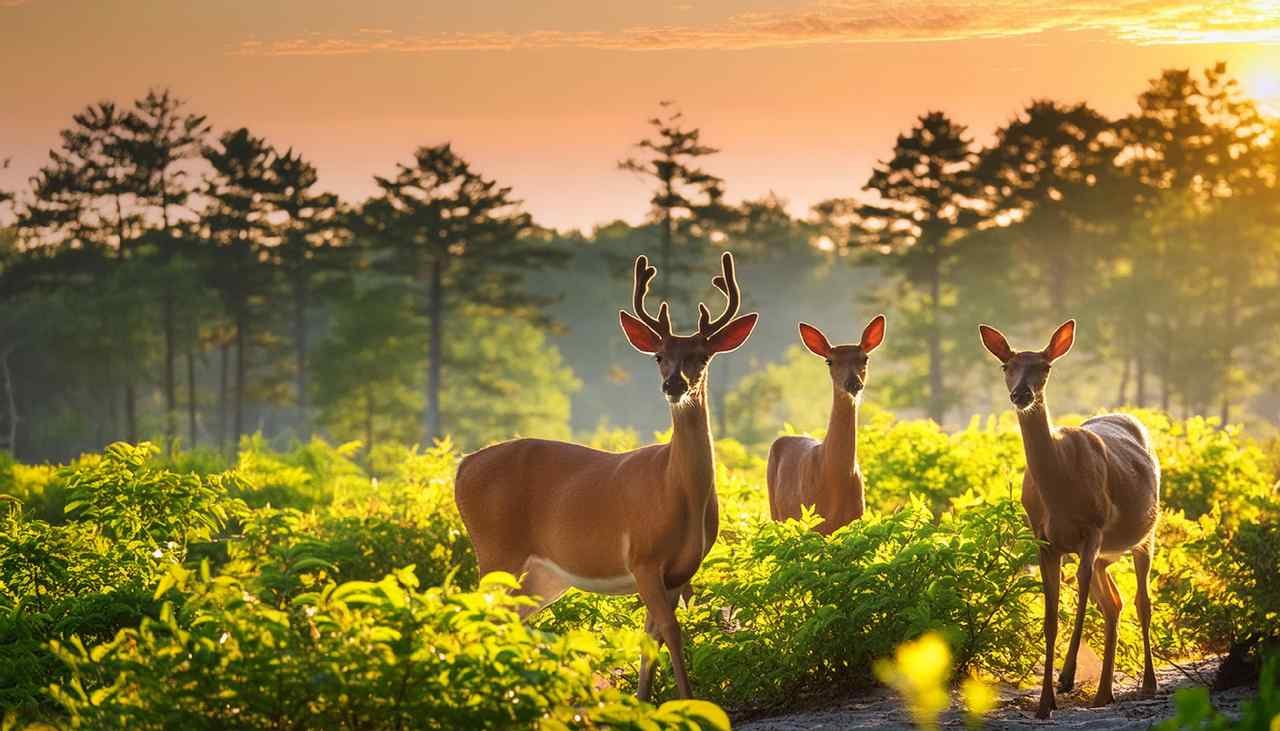
Connecticut hunting season for 2026-2027 starts early for some hunters. Archery deer and fall archery turkey open on September 15, while the special September goose season starts September 1 in the North Zone and September 15 in the South Zone. From there, the calendar rolls into fall turkey, pheasant, waterfowl, small game, firearms deer, and late-season muzzleloader hunts. The state’s main game species include white-tailed deer, wild turkey, pheasant, ducks, geese, squirrels, rabbits, coyotes, and several furbearers.
Knowing Connecticut hunting dates matters because seasons change by weapon, land type, and in some cases by zone. A hunter who shows up with the wrong permit, hunts too close to a blazed public trail on Sunday, or uses the wrong firearm on state land can quickly end up out of compliance. Before you head afield, make sure you carry the right hunting license, any required stamp or deer permit, and the correct landowner permission if you are on private land. For the latest details, always verify changes with Connecticut DEEP’s 2026 Hunting and Trapping Guide and, for ducks and geese, the Connecticut Migratory Bird Hunting Guide.
- ✔ Hunting season dates
- ✔ Bag limits
- ✔ Legal hunting hours
- ✔ Required licenses
- ✔ Weapon restrictions
- ✔ Blaze orange rules
- ✔ Public land rules
- ✔ Hunter education requirements
Quick Overview Table
| Species | Season | Weapon | Best Months | Permit Required |
|---|---|---|---|---|
| White-tailed deer | Sept. 15-Jan. 31; firearms Nov.-Dec. | Archery, shotgun, rifle/revolver on qualifying private land, muzzleloader | Oct.-Dec. | Yes |
| Wild turkey | Spring Apr. 29-May 30; fall archery Sept.-Dec./Jan.; fall firearms Oct. 3-31 | Shotgun, bow, crossbow | May, Oct., Nov. | Yes |
| Pheasant | Jan.-Feb. and Oct. 17-Dec. 31 | Shotgun, archery where legal | Oct.-Nov. | Yes |
| Ducks/coots | Oct.-Jan. by zone | Shotgun only | Oct.-Jan. | Yes |
| Canada geese | Sept.-Feb. by zone/unit | Shotgun only | Sept., Nov.-Jan. | Yes |
| Gray squirrel | Jan.-Feb.; Sept.-Dec. | Firearm, archery | Oct.-Dec. | Base license |
| Rabbit/hare | Jan.-Feb.; Oct.-Dec. | Firearm, archery | Nov.-Dec. | Base license |
| Coyote | Year-round | Firearm, archery | Fall-winter | Base license |
| Furbearers | Nov.-Mar. depending on species | Trapping | Nov.-Mar. | Trapping license |
Key Hunting Dates for Connecticut Hunting Season 2026-2027
Big Game
- Deer
- Archery: Sept. 15-Dec. 31 on private land statewide; Sept. 15-Dec. 31 on state bowhunting-only areas; Sept. 15-Nov. 17 and Dec. 23-Dec. 31 on other state land; Jan. 1-Jan. 31, 2027 on private land in Zones 11-12.
- Firearm: Nov. 18-Dec. 8, 2026 for state-land shotgun/no-lottery and private land shotgun-rifle-revolver seasons.
- Muzzleloader: Dec. 9-22 on state land; Dec. 9-31 on private land.
- Youth season: Junior Deer Hunter Training Days run Nov. 7-14, 2026, excluding Sunday on state land.
- Special permit season: Lottery “A” season Nov. 18-27; lottery regular season Nov. 18-Dec. 8; archery-only lottery Sept. 15-Dec. 31.
- Zone variations: Extra antlerless opportunity applies in Zone 7 and especially Zones 11-12; Zones 2 and 4A restrict antlerless tagging during private land firearms and muzzleloader seasons.
- Notes: No open Connecticut seasons for elk, moose, bear, pronghorn, bighorn sheep, mountain goat, bison, wild hog, or javelina.
Turkey
- Spring: Apr. 29-May 30, 2026.
- Fall archery: Sept. 15-Dec. 31 on private land statewide; Jan. 1-Jan. 31, 2027 on private land in Zones 11-12; state land dates mirror deer archery area rules.
- Fall firearms: Oct. 3-31, 2026.
- Youth: Junior Turkey Hunter Training Days run Apr. 18-25, 2026, excluding Sunday on state land.
- Special notes: Spring bag is 5 bearded birds; fall archery bag is 2 either sex; fall firearms bag is 3 either sex.
Small Game
- Gray squirrel: Jan. 1-Feb. 28; Sept. 1-Dec. 31
- Cottontail: Jan. 1-Feb. 28; Oct. 17-Dec. 31
- European hare: Jan. 1-Feb. 28; Oct. 17-Dec. 31
- Snowshoe hare: Jan. 1-Jan. 31; Nov. 21-Dec. 31
- Woodchuck: Mar. 15-Nov. 15
- Crow: Aug. 8-Oct. 9, Oct. 17-Nov. 28, and Dec. 21, 2026-Mar. 20, 2027 on specified days only.
Upland Birds
- Pheasant: Jan. 1-Feb. 28; Oct. 17-Dec. 31
- Quail: Oct. 17-31
- Ruffed grouse: Oct. 17-Nov. 30
- Chukar/Hungarian partridge: Jan. 1-Feb. 28; Oct. 17-Dec. 31
Waterfowl
- Ducks/coots: Early Oct. 10-17 North, Oct. 10-12 South; late splits run into Jan. 9 North and Jan. 19 South.
- Canada geese: September, regular, and late seasons vary by North/South/AP/AFRP/NAP-H units.
- Snow geese: Oct. 1-Jan. 9 and Feb. 16-Mar. 10.
- Brant: Dec. 7-Jan. 9 North; Dec. 16-Jan. 19 South.
- Snipe: Sept. 1-Oct. 10 and Oct. 17-Jan. 8.
- Rails: Sept. 1-Oct. 15 and Oct. 23-Nov. 27.
- Woodcock: Oct. 22-Dec. 12.
- Youth: Junior Waterfowl Days are Oct. 3 and Oct. 31, 2026.
Furbearers
- River otter: Jan. 1-Mar. 15; Nov. 8-Dec. 31
- Beaver: Jan. 1-Mar. 31; Dec. 1-31
- Mink, muskrat, weasel, coyote, gray fox, red fox, raccoon, opossum, skunk: Jan. 1-Mar. 15; Nov. 8-Dec. 31
- Fisher: Nov. 20-Dec. 31
- Bobcat: No open trapping or hunting season listed.
Predators
- Coyote: Open year-round for hunting.
- Fox: Jan. 1-Feb. 28; Oct. 17-Dec. 31.
- Wolf / Mountain lion: No open season in Connecticut.
Special Opportunities
- Youth hunts: Turkey Apr. 18-25; pheasant Oct. 10; waterfowl Oct. 3 and Oct. 31; deer Nov. 7-14.
- Disabled hunts/opportunities: Free qualifying disability licenses, special ATV permits for eligible hunters, and accessible-area planning through the DEEP map.
- Mentored hunts: Waterfowl mentoring is promoted through the Connecticut Waterfowl Association; mentored junior pheasant events are offered through CE/FS partners.
- Veterans/military: No separate veterans hunt dates were listed on the cited 2026 guide pages, but active-duty armed forces members may buy licenses at resident rates.
- Apprentice licenses: Connecticut notes that out-of-state apprentice or mentored licenses do not qualify as proof for Connecticut licensing.
Hunting License Fees
| License Type | Resident Fee | Nonresident Fee | Notes |
|---|---|---|---|
| Firearms Hunting | $19 | $91 | Resident ages 16-17: $10 |
| Junior Firearms Hunting (12-15) | $11 | $11 | Youth base firearms license |
| Age 65+ Firearms | Free | — | Annual renewal required |
| Disabled Hunting License | Free | Reciprocal eligibility possible | Permits/stamps extra |
| Archery Deer/Small Game | $41 | $135 | Resident ages 16-17: $21 |
| Junior Archery (12-15) | $10 | $19 | Bowhunter proof required |
| 3-day Out-of-state Bird License | — | $35 | Birds only |
| Firearms + Inland Fishing | $38 | $110 | Combo license |
| Firearms + All Waters Fishing | $40 | $120 | Combo license |
| Firearms + Marine Waters Fishing | $25 | $94 | Combo license |
| Trapping | $34 | $250 | Resident ages 16-17: $17 |
| Junior Trapping | $11 | — | Age 15 and under |
| State Land Lottery / No-Lottery / Private Land / Muzzleloader Deer Permits | $19 each | $68 each | Resident ages 12-17: $10 |
| Landowner Deer Permit | Free | Free | Acreage rules apply |
| Revolver Deer Endorsement | $5 | $5 | Extra deer-hunt add-on |
| Resident Game Bird Conservation Stamp | $28 | $28 | Needed for pheasant, grouse, quail, partridge, turkey |
| CT Migratory Bird Conservation Stamp | $17 | $17 | Includes HIP |
| Federal Duck Stamp | $25 | $25 | Required for many adult waterfowl hunters |
Connecticut’s 2026 guide does not list separate statewide lifetime, sportsman’s, short-term general hunting, or stand-alone big-game/small-game base licenses beyond the categories above.
Important Hunting Regulations
- Sunday hunting is allowed on private land only for most species, but not migratory birds.
- Sunday hunting is barred within 40 yards of blazed public trails.
- Deer and turkey hunters on private land must carry signed written landowner consent.
- Small game hunters still need landowner permission on private land; verbal permission is sufficient.
- A person must be at least 12 to hunt.
- Hunters ages 12-15 must be licensed and accompanied by a licensed adult 18 or older.
- One adult may supervise no more than two minors.
- Bowhunters must show bowhunter education proof to buy an archery permit.
- Firearms, bowhunting, and trapping licenses require recent prior resident licensing or course certification.
- Legal bows for deer/turkey must have at least 40-pound draw weight.
- Crossbows are legal for all species; minimum draw weight is 125 pounds.
- Crossbow bolts must be at least 18 inches long.
- Arrowheads for deer/turkey must have at least two blades and be at least 7/8 inch wide.
- Firearm possession is prohibited while archery deer hunting.
- On state land, rifles or handguns using ammunition larger than .22 rimfire are generally prohibited.
- Deer on state land shotgun seasons require 12, 16, or 20 gauge shotguns with single soft alloy projectiles.
- Shotguns for turkey, waterfowl, migratory birds, and state-land deer may not hold more than 3 shells.
- Fluorescent orange requirement is 400 square inches from Sept. 1 through the last day of February, with limited exemptions.
- Bowhunters may remove orange in a tree stand at least 10 feet high during the required period.
- Landowners hunting deer on their own land are exempt from the orange requirement; certain relatives are not.
- Natural deer urine products are prohibited because of CWD concerns.
- Importing deer or elk carcasses from CWD-positive states is restricted unless meat is deboned.
- Turkey baiting, electronic calls, live decoys, and dogs are prohibited, except a dog may be used during fall firearms turkey hunting on private land.
- Electronic calling devices are prohibited for migratory birds, except crows.
- Hunting or shooting from or across the traveled part of a public road is prohibited.
- ATVs are prohibited on state land unless a special disability permit applies.
- Deer and turkey harvests must be tagged immediately and reported within 24 hours.
- Deer no longer need to be taken to a check station.
- Waterfowl, rails, and coots require approved non-toxic shot.
- Crow hunters from a stationary position are exempt from the orange rule.
- Permit-required areas often have separate daily permits and firearm restrictions.
- Hunters facing harassment should document the incident and avoid confrontation.
Best Hunting Places in Connecticut
Best Deer Hunting Areas
- Naugatuck State Forest — big public forest blocks, deer access, mixed terrain, and strong public-land appeal; some sections have special rules or permits. Public. Moderate difficulty.
- Cockaponset State Forest — large forest habitat with deer and turkey opportunity across multiple blocks. Public. Moderate.
- Bishop Swamp WMA — a permit area tied to deer lottery opportunity and good edge habitat. Public. Moderate.
Best Turkey Hunting Areas
- Sessions Woods WMA — known for spring and fall turkey access with permit-based structure; north section allows firearms. Public. Easy to moderate.
- Trout Brook Valley State Park — permit-only turkey access and junior hunt opportunity. Public. Moderate.
- Cockaponset State Forest — large forest setting that gives mobile turkey hunters room to work birds. Public. Moderate.
Best Waterfowl Hunting Areas
- Barn Island WMA — marsh habitat, coastal birds, and well-known waterfowl access. Public. Moderate.
- Babcock Pond WMA — pond and wetland habitat that suits duck hunters. Public. Easy to moderate.
- Lords Cove WMA / East River Marsh WMA — classic marsh environments for ducks and geese. Public. Moderate.
Best Small Game Areas
- Bartlett Brook WMA — productive mixed habitat and one of the stocked junior pheasant sites. Public. Easy to moderate.
- Eversource Skiff Mountain Cooperative WMA — strong pheasant and small game interest, but Saturday permit rules matter. Permit-required. Moderate.
- Naugatuck State Forest (West Block) — pheasant and small game value with Saturday permit periods early in the season. Public/permit-managed. Moderate.
Best Public Hunting Lands
Use the DEEP interactive map first. It lets hunters sort state forests, WMAs, permit-required parcels, and waterfowl-access sites before the season starts. If you also hunt nearby states, compare local timing with our Rhode Island hunting season guide.
Best Wildlife Management Areas
Top names to keep on your radar include Barn Island WMA, Sessions Woods WMA, Bishop Swamp WMA, Bartlett Brook WMA, Cromwell Meadows WMA, and Lords Cove WMA. Each offers a different mix of forest, wetland, or stocked-bird access, so always read parcel-specific rules before hunting.
Bag Limits
| Species | Daily Limit | Possession Limit | Special Notes |
|---|---|---|---|
| Deer – archery | Permit-based tags | Permit-based tags | Zone-specific antlerless opportunity |
| Deer – state land shotgun/muzzleloader | 1 either sex | Permit-based | Depends on permit |
| Turkey – spring | Season total 5 bearded birds | Same | No daily limit listed separately |
| Turkey – fall archery | 2 | 2 | Either sex |
| Turkey – fall firearms | 3 | 3 | Either sex |
| Pheasant | 2 | Season 10 | Stocked areas common |
| Gray squirrel | 8 | Season 40 | — |
| Cottontail | 3 | Season 25 | — |
| Ruffed grouse | 1 | Season 8 | — |
| Quail | 2 | Season 10 | — |
| Coyote | No limit | No limit | Open year-round |
| Fox | 3 combined | Season 30 combined | Red + gray combined |
| Ducks | 6 | 18 | Species restrictions apply |
| Coot | 15 | 45 | — |
| Canada goose | 2-15 | 6-45 | Depends on unit/season |
| Brant | 1 | 3 | — |
| Snow geese | 25 | No limit | — |
| Snipe | 8 | 24 | — |
| Woodcock | 3 | 9 | — |
Legal Hunting Hours
Most Connecticut hunting hours run from one-half hour before sunrise to sunset. That applies to big game and turkey, while most small game runs to one-half hour after sunset. Waterfowl, snipe, rails, and woodcock close at sunset, except the September goose season, which stays open until one-half hour after sunset. Crow hunting also runs until one-half hour after sunset. Night hunting is not a general statewide privilege in the cited 2026 guide pages, so hunters should verify any species-specific exceptions before hunting after dark.
Hunter Education Requirements
Connecticut requires proof that you either held a resident license in that discipline within the last five years or completed a recognized CE/FS course. Firearms hunters can take a traditional in-person class or a self-study route that includes approved online work plus an in-person field component. Bowhunter safety is an in-person course, and trappers need the proper trapping certification. The minimum age to become certified in firearms or bowhunting is 10, but hunters must be 12 or older to hunt. Out-of-state apprentice or mentored licenses do not count as Connecticut qualification.
Public vs Private Land Hunting
Private land hunting in Connecticut starts with permission. Deer and turkey hunters need written consent on the official form, while small game hunters may hunt with verbal permission. Public land hunting works differently. State forests, WMAs, and some parks are open, but each parcel can carry its own species limits, weapon rules, parking limits, or permit requirements. Permit-required areas often issue free daily permits a few days ahead of the hunt, and some pheasant areas require Saturday time-slot permits early in the season. National wildlife refuge hunting also exists on select Stewart B. McKinney units under federal refuge brochures and rules.
Frequently Asked Questions
When does hunting season start in Connecticut?
For 2026-2027, some seasons start Sept. 1 for geese and Sept. 15 for archery deer and fall archery turkey.
Do I need a hunting license in Connecticut?
Yes. Most hunts need a base hunting license plus the correct stamp or deer permit.
Can nonresidents hunt in Connecticut?
Yes. Connecticut sells nonresident hunting licenses, deer permits, stamps, and a 3-day bird license.
Can I hunt on Sundays in Connecticut?
Yes, but only on private land for most species. Migratory birds are excluded.
Can I use a crossbow in Connecticut?
Yes. Crossbows are legal for deer, turkey, and other species if they meet state specs.
Do I need hunter education?
Usually yes, unless you qualify through recent prior resident licensing in the same discipline.
Can I bait deer in Connecticut?
Connecticut bans natural deer urine products because of CWD concerns. Always verify any bait-related deer rule updates with DEEP before hunting.
Can I bait turkey in Connecticut?
No. Bait is prohibited for turkey hunting.
Can I hunt on public land?
Yes, on many state forests, WMAs, and permit-required areas, subject to parcel rules.
Can I hunt at night?
Not as a general rule in the cited 2026 guide pages. Check species-specific rules before going.
What is the blaze orange requirement?
At least 400 square inches of fluorescent orange is generally required from Sept. 1 through late February, with narrow exceptions.
Do I have to report deer and turkey harvests?
Yes. Tag immediately and report within 24 hours online or by phone.
Final Thoughts
Connecticut offers a surprisingly varied hunting calendar for a small state. You can chase early geese, bowhunt deer into winter, hunt spring gobblers, and still find public-land opportunities for pheasant, squirrels, rabbits, ducks, and coyotes. The key is simple: match your season, land type, and permit to the exact rules in effect that day. Hunt safely, respect private property, wear the required orange, and report harvests on time. Most of all, support the conservation system that keeps Connecticut’s wildlife and public hunting lands working for the next season too. Before any trip, double-check the latest updates with Connecticut DEEP because dates, access rules, and local restrictions can change.

- Important Virginia Hunting Dates and 2026-2027 Season Regulations - August 13, 2026
- Vermont Hunting: 2026-2027 Dates and Season Rules - August 13, 2026
- Prepare for Wyoming Hunting: 2026-2027 Season Dates and Regulations - August 13, 2026