
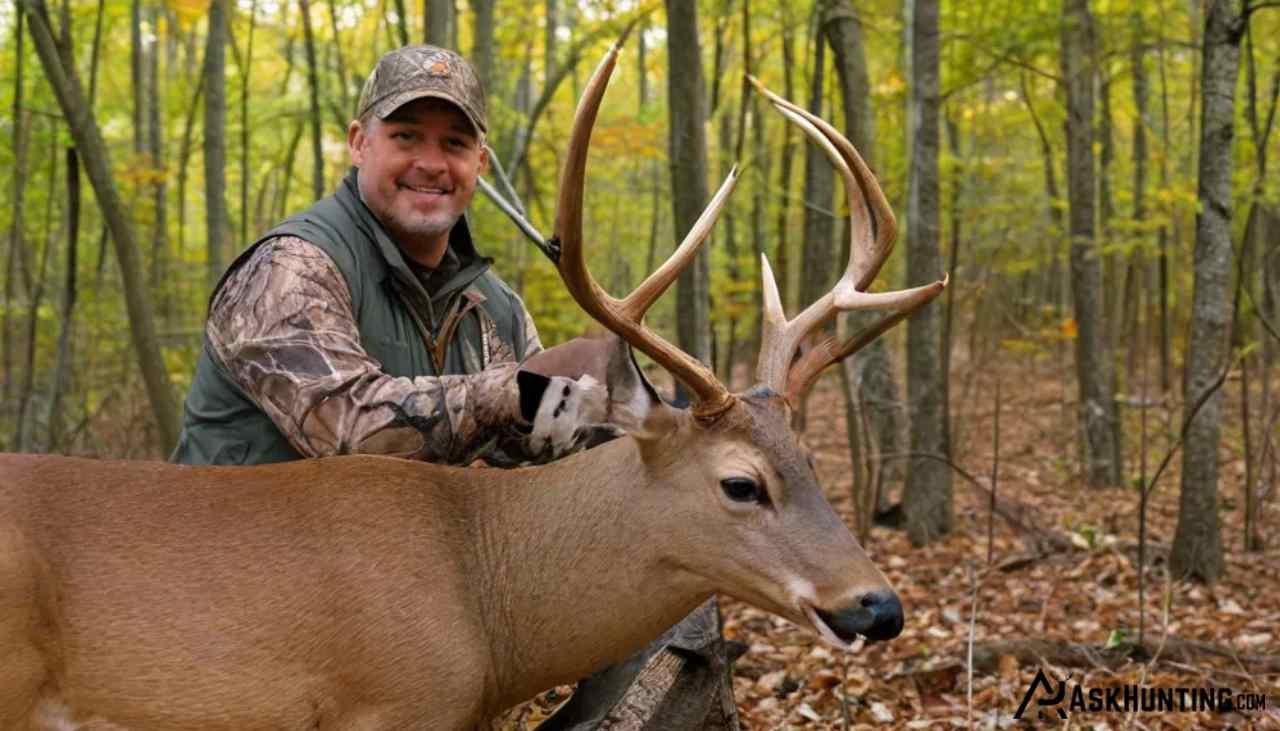
Tennessee hunting season 2026-2027 starts with early deer opportunities in late August, then rolls into archery, turkey, small game, waterfowl, bear, and limited elk hunting as fall and winter progress. The state’s headline game species are white-tailed deer, wild turkey, black bear, elk, squirrels, rabbits, doves, ducks, and geese. Because season structures change by species, weapon type, and sometimes by deer management unit or hunt zone, hunters need current dates before they head afield.
Knowing the rules matters just as much as knowing where to hunt. Tennessee requires the right license package, and many hunters also need supplemental big game, migratory bird, waterfowl, or WMA permits. Rules on blaze orange or blaze pink, bag limits, carcass transport, public-land access, and hunter education can all affect whether a hunt stays legal. Before opening day, always confirm the latest updates with TWRA’s hunting seasons summary. For a nearby comparison, see our Kentucky hunting season guide.
- ✔ Hunting season dates
- ✔ Bag limits
- ✔ Legal hunting hours
- ✔ Required licenses
- ✔ Weapon restrictions
- ✔ Blaze orange rules
- ✔ Public land rules
- ✔ Hunter education requirements
Quick Overview Table
| Species | Season | Weapon | Best Months | Permit Required |
|---|---|---|---|---|
| Deer | Aug.-Jan. | Archery, muzzleloader, gun | Oct.-Dec. | Hunting license + big game supplement |
| Turkey | Fall and spring | Archery, shotgun | Apr.-May, Oct. | Hunting license; WMA/quota permit if applicable |
| Black Bear | Sept.-Jan. by zone | Archery, gun, muzzleloader, dogs in some hunts | Oct.-Dec. | Hunting license + big game supplement |
| Elk | Late Sept.-Oct. | Archery, muzzleloader, gun | Oct. | Quota permit required |
| Squirrel/Rabbit | Aug.-Mar. / Nov.-Feb. | Rimfire, shotgun, archery | Nov.-Jan. | Hunting license |
| Waterfowl | Sept.-Feb. | Shotgun with non-toxic shot | Nov.-Jan. | Hunting license + migratory bird permit + waterfowl requirements |
Complete Hunting Dates for Tennessee Hunting Season 2026-2027
Big Game
Deer
- August archery-only velvet hunt: Aug. 28-30, 2026
- Archery: Sept. 26-Oct. 30, 2026, and Nov. 2-6, 2026
- Young Sportsman: Oct. 31-Nov. 1, 2026, and Jan. 9-10, 2027
- Muzzleloader/archery: Nov. 7-20, 2026
- Gun/muzzleloader/archery: Nov. 21, 2026-Jan. 3, 2027
- Zone variations: Deer Management Units 1-6 control antlerless limits; the CWD Management Zone also affects carcass movement.
- Notes: Straight-wall rifle season on private land only runs Nov. 14-20, 2026, and harvest counts toward muzzleloader limits.
Black Bear
- Archery only: Sept. 26-Oct. 23, 2026 in BHZ 1-5 and Transitional Zone
- Young Sportsman: Oct. 31-Nov. 1, 2026
- General gun/muzzleloader/archery: Zone-specific dates, mainly Nov.-Dec.
- Dog hunts: Available in BHZ 1-3 on early, mid, and late zone dates
- Special permit season: Restricted Bear Reserve Hunt, Sept. 19-25, 2026
- Notes: One bear per license year statewide; cubs and females with cubs are protected.
Elk
- Archery only: Sept. 26-Oct. 2, 2026
- Gun/muzzleloader/archery: Oct. 3-9, 2026
- Young Sportsman: Oct. 10-16, 2026
- Permit season: Quota only in designated elk hunt zones on North Cumberland and nearby approved areas
- Notes: Tennessee issues only a small number of quota permits each year.
Wild Hog
- Tennessee does not run a general statewide sport-hunting season for wild hogs.
- Hogs are treated as a destructive species.
- On public land, hunters may take hogs only under specific area rules, such as during certain deer, bear, turkey, or small game hunts on listed WMAs.
- On private land, landowners have separate control options and exemption programs.
Not applicable statewide: Moose, pronghorn, bighorn sheep, mountain goat, bison, and javelina do not have regular Tennessee seasons.
Turkey
- Fall archery-only: Sept. 26-Oct. 30, 2026, and Nov. 2-6, 2026
- Fall shotgun/archery: Oct. 17-30, 2026
- Fall bag limit: One male turkey; several counties are closed to fall turkey hunting
- Spring Young Sportsman: April 4-5, 2026
- Spring shotgun/archery: April 11-May 24, 2026
- Spring bag limit: One male turkey per day, two per season, and only one may be a jake
- Special seasons: WMA spring quota hunts and Young Sportsman opportunities on selected public lands
Small Game
| Species | Season Dates | Notes |
|---|---|---|
| Squirrel | Aug. 22, 2026-Mar. 15, 2027 | Daily limit 10 |
| Rabbit | Nov. 7, 2026-Feb. 28, 2027 | Daily limit 5 |
| Groundhog | Year-round | No bag limit listed |
| Crow | Multiple segments June 2026-Feb. 2027 | No limit |
Upland Birds
- Quail: Nov. 7, 2026-Feb. 28, 2027; WMA quail season may differ
- Woodcock: Nov. 14-Dec. 6, 2026, and Jan. 10-31, 2027
- Pheasant, chukar, partridge, ptarmigan: No regular statewide Tennessee seasons listed
Waterfowl
- Dove: Sept. 1-28, 2026; Oct. 10-Nov. 1, 2026; Dec. 8, 2026-Jan. 15, 2027
- Wood duck & teal: Sept. 12-16, 2026
- Ducks, coot, mergansers: Nov. 28-29, 2026, and Dec. 5, 2026-Jan. 31, 2027
- Canada geese: Sept. 1-20, Oct. 10-22, Nov. 28-29, and Dec. 5-Feb. 14
- White-fronted geese: Nov. 28-29 and Dec. 5-Feb. 14
- Brant: Same split dates as goose framework
- Light geese: Same split dates as goose framework
- Rails and gallinules: Sept. 1-Nov. 9, 2026
- Snipe: Nov. 14, 2026-Feb. 28, 2027
Furbearers
- Fox, mink, muskrat, otter, least weasel: Nov. 20, 2026-Feb. 28, 2027
- Raccoon taking season: Sunset Sept. 18, 2026-sunrise Mar. 15, 2027
- Opossum taking season: Same as raccoon
- Beaver, striped skunk: Year-round
- Bobcat: Sept. 26-Nov. 19, 2026 on private land only, then statewide Nov. 20, 2026-Feb. 28, 2027
Predators
- Coyote: Year-round; special night seasons apply on private lands
- Fox: Nov. 20, 2026-Feb. 28, 2027
- Bobcat: See furbearer dates above
- Wolf and mountain lion: No Tennessee hunting season
Special Opportunities
- Young Sportsman deer, turkey, bear, and elk hunts
- WMA quota hunts for deer, turkey, bear, waterfowl, and sandhill crane
- Wheelchair-bound waterfowl blind opportunities on selected public lands
- Some military, veteran, and mobility-impaired public-land opportunities appear through quota and managed hunt systems
Hunting License Fees
| License Type | Resident Fee | Nonresident Fee | Notes |
|---|---|---|---|
| Combination Hunt/Fish Annual | $33 | — | Common base resident license |
| Annual Hunt – Small Game/Waterfowl | — | $110 | No big game |
| Annual All Game | — | $305 | Includes big game privileges |
| 7-Day Hunt – Small Game/Waterfowl | — | $61 | Short-term option |
| 7-Day All Game | — | $214 | Short-term big game option |
| Junior Hunt/Fish/Trap (13-15) | $9 | $10 annual / $26 7-day all game / $41 annual all game | Age-based |
| Annual Sportsman | $165 | — | Broad resident package |
| Senior Sportsman | $49 | — | Age 65+ |
| Annual Senior Citizen Hunt/Fish/Trap | $4 | — | Resident senior option |
| Permanent Senior Citizen Hunt/Fish/Trap | $49 | — | Resident senior permanent option |
| Supplemental Big Game Gun | $33 | Included in all-game packages | Required for deer/bear/elk gun hunting |
| Supplemental Big Game Archery | $33 | Included in all-game packages | |
| Supplemental Big Game Muzzleloader | $33 | Included in all-game packages | |
| Supplemental Waterfowl | $37 | Included via package structure; extra federal stamp still applies | |
| WMA Small Game/Waterfowl Annual | — | $61 | Public-land permit |
| WMA Small Game/Waterfowl 1-Day | — | $12 | Public-land short term |
| WMA Small Game Only | — | $20 | |
| WMA Big Game Non-quota | — | $24 | |
| Cherokee WMA Big Game Non-quota | — | $18 | Area-specific |
| Migratory Bird Permit | $1 | $1 | Needed for migratory birds |
| Federal Duck Stamp | $30.50 | $30.50 | Required for waterfowl hunters age 16+ |
| Deer Bait Privilege License | $50 | $100 | Private land only, deer only |
| Lifetime Sportsman | Age-based | Not standard nonresident offering | Price varies by age |
For current packages, reprints, and changes, use TWRA’s license fees page.
Important Hunting Regulations
- Blaze orange or blaze pink must total 500 square inches on head and upper body during most big game gun and muzzleloader hunts.
- Archery-only deer hunts and turkey hunts are the main big exceptions.
- Small game hunters on WMAs often must wear orange/pink during overlapping big game hunts.
- Ground blinds made from man-made materials need visible blaze orange/pink during big game gun and muzzleloader hunts.
- Deer and elk hunting with dogs is prohibited.
- Bear dog hunts are allowed only where specifically opened.
- Crossbows are legal as archery equipment where archery gear is allowed.
- Archery equipment is legal during muzzleloader and gun deer seasons.
- Muzzleloaders are legal during deer gun season.
- Straight-wall rifles are allowed only during the special private-land season.
- Suppressors are legal if the hunter has the required federal authorization.
- Fully automatic firearms and tracer ammunition are illegal.
- Turkey hunting allows shotguns with No. 4 shot or smaller, archery gear, and airbows in statewide turkey gun seasons.
- Turkey hunters may not use rifles, handguns, electronic calls, bait, or live decoys.
- Electronic calls are generally illegal for turkey, fox, and waterfowl, except during the Light Goose Conservation Season.
- Drones may not be used to hunt wildlife.
- Hunting from a moving vehicle or boat is illegal.
- On private land, hunting from a stationary motorized vehicle is legal.
- Hunting from or across a public road or right-of-way is illegal.
- Private-land hunters need landowner permission.
- Baiting is illegal unless specifically authorized; deer baiting requires a Deer Bait Privilege License and is private-land only.
- Baiting is prohibited on public lands.
- In CWD areas, deer carcass transport is restricted to approved parts only.
- Big game must be checked in by midnight on the day of harvest.
- A temporary transportation tag must stay with big game until check-in is complete.
- Evidence of sex, species, and antler status must remain with big game while afield.
- Waterfowl hunters must use federally approved non-toxic shot.
- Migratory bird shotguns must be plugged to a 3-shell capacity.
- Possession limits for migratory birds are generally 3 times the daily limit.
- Turkeys must remain intact until tagging and check-in are finished.
- Permanent tree stands are prohibited on WMAs; portable stands are the rule.
- WMAs may require extra permits even when statewide seasons apply.
- PHAs usually do not require a WMA permit, but general WMA conduct rules still apply.
- Reelfoot and some federal refuge areas have their own extra permit systems.
- Night hunting is limited to species and seasons specifically opened by rule.
- Hunter harassment laws apply; do not interfere with lawful hunting activity.
- Fanning or reaping turkeys is prohibited on WMAs.
Best Hunting Places in Tennessee
Best Deer Hunting Areas
North Cumberland WMA offers vast mountain country, mixed hardwood forest, and serious deer habitat. It also gives hunters room to spread out, but the steep terrain makes it better for experienced hunters.
Chickasaw State Forest & WMA gives West Tennessee hunters easier road access, mature timber, and strong deer-and-turkey appeal.
Best Turkey Hunting Areas
Chickasaw State Forest & WMA is a reliable choice for hardwood ridges and classic spring gobbler habitat.
South Cherokee WMA gives mountain turkey hunters big country, but it is rugged and heavily rule-driven because of bear reserve overlaps.
Best Waterfowl Hunting Areas
Reelfoot WMA is Tennessee’s headline duck destination. It mixes sloughs, cypress swamp, marsh, lake habitat, and managed wetlands, and it is especially popular when winter birds stack up in the northwest corner of the state.
Best Small Game Areas
Catoosa WMA stands out for squirrel, rabbit, and mixed small-game opportunity in rolling Cumberland Plateau cover.
Chickasaw is also strong for traditional small game in mature hardwood and pine cover.
Best Public Hunting Lands
Top public options include North Cumberland, Catoosa, South Cherokee, Chickasaw, and Reelfoot. Each offers different terrain, access, and permit rules, so plan around the specific area instead of assuming statewide rules fit every property.
Best Wildlife Management Areas
For all-around variety, start with North Cumberland WMA, South Cherokee WMA, Catoosa WMA, and Reelfoot WMA.
Bag Limits
| Species | Daily Limit | Possession Limit | Special Notes |
|---|---|---|---|
| Deer (antlered) | 1 | 2 per season | Antlerless varies by DMU |
| Turkey, spring | 1 male | 2 per season | Only one may be a jake |
| Turkey, fall | — | 1 male season limit | Closed in some counties |
| Bear | — | 1 per license year | Tooth submission required |
| Elk | 1 antlered elk per permit | Permit-based | Quota only |
| Squirrel | 10 | 20 | Small game possession usually 2x daily |
| Rabbit | 5 | 10 | |
| Quail | 6 | 12 | WMA exceptions possible |
| Dove | 15 | 45 | Opening day possession differs |
| Woodcock | 3 | 9 | Migratory rule |
| Snipe | 8 | 24 | |
| Rails | 25 | 75 | |
| Gallinule/Moorhen | 15 | 45 | |
| Ducks | 6 | 18 | Species sub-limits apply |
| Coot | 15 | 45 | |
| Canada Goose | 5 early / 3 regular | 15 / 9 | Segment-dependent |
| White-fronted Goose | 3 | 9 | |
| Brant | 1 | 3 | |
| Light Geese | 20 | 60 | |
| Raccoon/Opossum | 4 | 8 | Separate taking seasons apply |
| Bobcat | 1 | 2 | Private-land early, statewide later |
Legal Hunting Hours
Most Tennessee big game and small game hunting runs from 30 minutes before legal sunrise to 30 minutes after legal sunset. Turkey and migratory bird hunting are stricter and end at official sunset. Waterfowl follows the migratory-bird rule, while opening day of dove season starts at noon. Sandhill crane hunting closes at 3 p.m. Night hunting is allowed only for species and seasons specifically opened by proclamation, such as raccoon, opossum, bullfrogs, certain predator seasons, and trapping activity.
Hunter Education Requirements
All hunters born on or after Jan. 1, 1969 must carry proof of hunter education. Hunters under 10 do not need a certificate, but they must stay with an adult age 21 or older who can take immediate control of the hunting device. Tennessee allows fully online hunter education for ages 9 and older, and it also offers in-person classes. Hunters ages 10-12 generally need only hunter education. Ages 13-15 can use the Junior Hunt/Trap/Fish license. Tennessee’s Apprentice Hunting License gives hunters age 10 and older a one-year exemption, but they must hunt with a qualified adult age 21 or older.
Public vs Private Land Hunting
Private-land hunters need permission from the landowner. Some Tennessee landowners, tenants, spouses, children, and certain grandchildren may qualify for license exemptions on farmland, but those exceptions are narrow. On public land, rules depend on the property type. WMAs often require an added permit, quota permit, or area-specific restriction. PHAs usually follow general WMA conduct rules, but they often do not require a WMA permit. National forest units inside Cherokee and Cumberland Plateau country can have special access, road, or seasonal closures. Federal refuges can require an extra refuge permit. In short, always read the rules for the exact tract you plan to hunt.
Frequently Asked Questions
When does hunting season start in Tennessee?
Tennessee’s 2026-2027 hunting season starts with the August archery-only deer hunt on Aug. 28, 2026.
Do I need a hunting license in Tennessee?
Yes. Most hunters need a base hunting license plus any big game, migratory bird, waterfowl, or WMA supplements that apply.
Can nonresidents hunt in Tennessee?
Yes. Nonresidents can hunt, but they need the correct nonresident license package and any required supplements or permits.
Can I hunt on Sundays in Tennessee?
Tennessee does not list a blanket statewide Sunday hunting ban, but hunters still must follow open seasons and area-specific public-land rules.
Can I use a crossbow during Tennessee hunting season?
Yes, crossbows are legal as archery equipment where archery gear is allowed.
Do I need hunter education in Tennessee?
If you were born on or after Jan. 1, 1969, yes, unless you qualify for a lawful exemption such as the Apprentice License.
Can I bait deer in Tennessee?
Only under Tennessee’s deer bait privilege rules, and only on qualifying private land. Public-land baiting is prohibited.
Can I hunt at night in Tennessee?
Only for certain species and seasons, such as raccoon, opossum, and some predator opportunities. Most big game hunting is daylight only.
What is the blaze orange requirement in Tennessee?
During most big game gun and muzzleloader hunts, hunters must wear at least 500 square inches of blaze orange or blaze pink on the head and upper body.
Final Thoughts
Tennessee hunting season 2026-2027 gives hunters a wide menu of opportunity, from August velvet deer and mountain bear hunts to winter ducks, squirrels, and furbearers. The key is matching your species, weapon, and hunting area to the exact rule set that applies. Deer units, bear hunt zones, WMA rules, migratory-bird permits, and CWD transport rules all matter.
Hunt responsibly, wear the right safety gear, respect land access rules, and support conservation through legal harvest and accurate check-in. Before every trip, confirm your dates and permit needs with TWRA so your Tennessee hunt stays safe, ethical, and fully legal.

- Important Virginia Hunting Dates and 2026-2027 Season Regulations - August 13, 2026
- Vermont Hunting: 2026-2027 Dates and Season Rules - August 13, 2026
- Prepare for Wyoming Hunting: 2026-2027 Season Dates and Regulations - August 13, 2026