
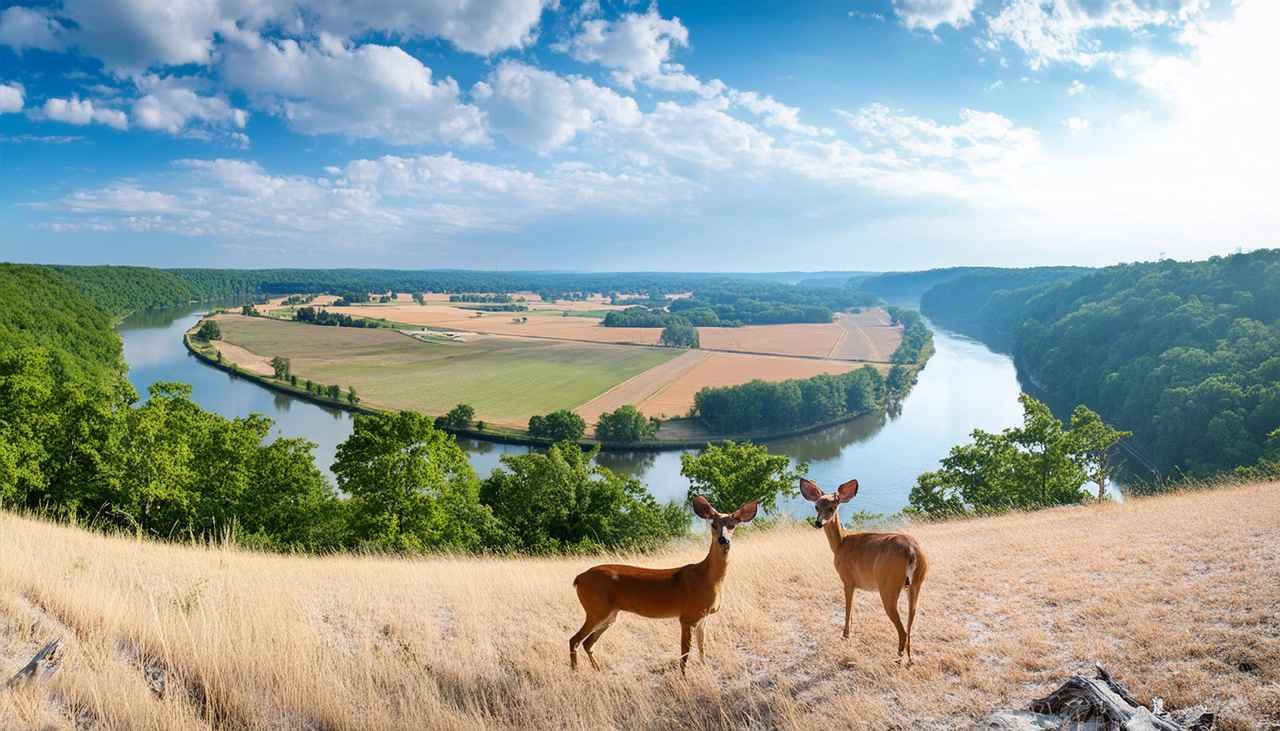
Indiana’s 2026-2027 hunting calendar includes deer, wild turkey, waterfowl, upland birds, small game, predators, and furbearers. The earliest major opportunity is the deer reduction-zone season, which opens Sept. 15, 2026. Youth deer season follows Sept. 26-27, while statewide archery deer season begins Oct. 1. Fall turkey, duck, goose, pheasant, rabbit, squirrel, and other seasons operate on separate schedules.
Knowing Indiana hunting dates helps you plan licenses, scouting trips, equipment, and public-land access. It also prevents costly mistakes because deer limits can vary by county and waterfowl dates change by North, Central, and South zones. Hunters may need a species-specific license, Game Bird Habitat stamp, Waterfowl stamp, HIP registration, or Federal Duck Stamp. Always check the current official regulations before hunting. Indiana Hunting & Trapping Guide
Quick checklist
- ✔ Hunting season dates
- ✔ Bag limits
- ✔ Legal hunting hours
- ✔ Required licenses
- ✔ Weapon restrictions
- ✔ Blaze orange rules
- ✔ Public land rules
- ✔ Hunter education requirements
1. Quick Overview Table
| Species | Season | Weapon | Best Months | Permit Required |
|---|---|---|---|---|
| Deer | Sept. 15-Jan. 31 in reduction zones; Oct. 1-Jan. 3 for statewide seasons | Bow, crossbow, firearm, muzzleloader | October-December | Deer license; county limits apply |
| Wild turkey | Spring Apr. 22-May 10, 2026; fall Oct. 1-Nov. 1 and Dec. 5-Jan. 3 | Shotgun, bow, crossbow | April, October, December | Spring or fall turkey license and habitat stamp |
| Ducks and coots | Sept. 5-Jan. 24, depending on zone and species | Shotgun | October-January | Hunting license, HIP, waterfowl privilege, and federal stamp when required |
| Geese | September-February, depending on zone | Shotgun | November-February | Hunting license, HIP, and waterfowl requirements |
| Small game and upland birds | Dates vary by species | Shotgun, rimfire rifle, bow | August-February | Hunting license; habitat stamp for listed birds |
2. Key Hunting Dates
Complete Hunting Dates for Indiana Hunting Season 2026-2027
Big Game
Indiana’s regular statewide big-game hunting opportunity is white-tailed deer. Indiana does not have regular hunting seasons for elk, moose, black bear, pronghorn, bighorn sheep, mountain goat, bison, javelina, or wild hog.
- Deer reduction zones: Sept. 15, 2026-Jan. 31, 2027, where designated.
- Youth deer season: Sept. 26-27, 2026.
- Archery season: Oct. 1, 2026-Jan. 3, 2027.
- Firearms season: Nov. 14-29, 2026.
- Muzzleloader season: Dec. 5-20, 2026.
- Special hunts: State park, military, refuge, and reserved hunts may have separate dates and application requirements.
The regular statewide deer limit is one antlered deer and six antlerless deer. However, county antlerless limits still apply. Reduction zones have a separate limit of up to 10 deer, including no more than one antlered deer, and may require an antlerless harvest before an antlered harvest.
Turkey
Spring turkey season is Apr. 22-May 10, 2026. The youth spring turkey weekend is Apr. 18-19, 2026. The spring limit is one bearded or male turkey.
Fall turkey season runs Oct. 1-Nov. 1, 2026, and Dec. 5, 2026-Jan. 3, 2027. Fall archery hunting is statewide during the fall dates, while fall firearms hunting is limited to selected counties. The fall bag and possession limit is one turkey of either sex. Indiana does not designate a separate fall youth weekend.
Small Game
Indiana small-game opportunities include cottontail rabbit and gray or fox squirrel. Swamp rabbits and flying squirrels are protected and may not be hunted. Exact 2026-2027 rabbit and squirrel dates should be confirmed in the current DNR guide because dates and property rules can change.
Indiana does not list regular seasons for hare, jackrabbit, prairie dog, or groundhog in the standard hunting calendar. Hunting with dogs may be allowed for certain small-game species, but public properties can impose additional restrictions.
Upland Birds
Pheasant and northern bobwhite quail are Indiana’s primary upland game birds.
- Pheasant hunting requires a hunting license and Game Bird Habitat stamp. Generally, only male pheasants may be harvested, except in designated put-and-take hunts.
- Northern bobwhite quail is divided into North and South zones, with Interstate 74 serving as the dividing line.
- Grouse, chukar, partridge, and ptarmigan do not have regular Indiana hunting seasons.
- Reserved pheasant hunts may require an application, draw, or additional fee.
Waterfowl
Indiana’s duck regulations are divided into North, Central, and South zones.
- Special teal season: Sept. 5-13, 2026. The daily limit is six teal, with a possession limit of 18.
- North Zone ducks: Oct. 24-Dec. 13 and Dec. 19-27, 2026.
- Central Zone ducks: Oct. 31-Nov. 8, 2026, and Nov. 21, 2026-Jan. 10, 2027.
- South Zone ducks: Nov. 7-8 and Nov. 28, 2026-Jan. 24, 2027.
- Youth waterfowl: North Oct. 17-18; Central Oct. 24-25; South Oct. 31-Nov. 1.
- Veteran and active-duty military waterfowl: The same zone dates as the youth waterfowl weekends.
- Woodcock: Oct. 15-Nov. 28, 2026.
- Mourning dove: Sept. 1-Oct. 18, Nov. 1-29, and Dec. 19-31, 2026.
- Snipe: Sept. 1-Dec. 16, 2026.
- Rails: Sept. 1-Nov. 9, 2026.
Canada geese, brant, and white-fronted geese have zone-specific dates that extend into February 2027. Confirm the exact zone table before hunting.
Furbearers
Indiana furbearers include beaver, bobcat, fox, coyote, raccoon, skunk, mink, river otter, muskrat, badger, and weasel. Hunting and trapping dates are not identical. Bobcat also has a quota and county restrictions. Use the current season guide for exact dates, checking, tagging, equipment, and quota information.
Predators
Coyote and fox are Indiana predator species subject to current hunting, trapping, firearm, light, and property rules. Indiana has no regular hunting season for gray wolf or mountain lion.
Special Opportunities
Indiana offers youth deer, youth turkey, youth waterfowl, free youth hunting days, reserved hunts, military and refuge hunts, and selected mentored or apprentice opportunities. Free youth hunting days in 2026 are Sept. 5-6 and Nov. 28-29. Property-specific draw hunts may have different application deadlines.
3. Hunting License Fees
| License Type | Resident Fee | Nonresident Fee | Notes |
|---|---|---|---|
| Annual hunting | $20 | $90 | General hunting license |
| Five-day hunting | — | $50 | Nonresident short-term license |
| Youth hunt/trap | $12 | Varies | Resident youth license covers broad hunting privileges |
| Hunting and fishing combination | $32 | — | Resident combination license |
| Deer archery, firearm, muzzleloader, reduction zone | $39 each | $240 each | Season-specific deer licenses |
| Deer license bundle | $91 | $550 | Two antlerless and one antlered privilege |
| Spring turkey | $32 | $175 adult; $32 youth | Separate spring license |
| Fall turkey | $32 | $175 adult; $32 youth | Separate fall license |
| Game Bird Habitat stamp | $11 | $11 | Required for turkey and listed upland birds |
| Waterfowl stamp privilege | $11 | $11 | Federal Duck Stamp may also be required |
| Bobcat | $15 | $120 | Nonresident youth pricing differs |
| DAV hunting and fishing | $2.75 | — | Does not include deer or turkey |
| Lifetime license | Not currently sold | — | Older valid lifetime licenses remain subject to their terms |
Online and app purchases may include technology and processing charges. Indiana lifetime licenses were discontinued in 2005. Sportsman’s, senior, disabled, and apprentice options should be checked in the current license system because eligibility and coverage differ.
4. Important Hunting Regulations
- Deer hunters may use legal bows, crossbows, firearms, muzzleloaders, and permitted air guns.
- Crossbows are legal throughout deer archery season with the required license.
- Indiana permits qualifying centerfire rifles for deer, subject to current caliber and bullet-diameter rules.
- A firearms deer license is limited to the firearms season.
- A muzzleloader license is limited to the muzzleloader season.
- Turkey equipment must meet Indiana shotgun, gauge, pellet, and shot-size requirements.
- Suppressors and concealed carry do not replace a hunting license or season-specific permit.
- Wear solid hunter orange whenever the season or property requires it.
- Hunter-orange rules apply during deer firearms and certain overlapping seasons.
- Anyone born after Dec. 31, 1986, generally needs approved hunter education for a regular license.
- Apprentice hunters must remain close enough to communicate with a licensed adult.
- Indiana has no general statewide Sunday-hunting ban, but property rules may differ.
- Night hunting is species-specific and cannot be assumed to be legal.
- Do not use bait, electronic calls, or decoys unless the relevant species rule permits them.
- Drones cannot be used to locate, pursue, or take game unlawfully.
- Dogs are allowed for certain species, but public properties may restrict their use.
- Road hunting and shooting from a vehicle are prohibited or restricted.
- Private-land hunters need permission unless a narrow legal exemption applies.
- Tree stands must not damage public property or violate posted access rules.
- Deer and turkey must be tagged and checked through the required Indiana system.
- County antlerless deer limits must be followed even when the statewide limit is higher.
- Waterfowl hunters generally need HIP registration.
- Adults hunting waterfowl may need an Indiana Waterfowl stamp and Federal Duck Stamp.
- Nontoxic shot is required for waterfowl and may be required on some DNR properties.
- Migratory birds may be hunted only during legal shooting hours.
- ATVs and boats are allowed only where property regulations permit them.
- Hunter harassment, trespass, wanton waste, and interference with a lawful hunt are prohibited.
- Reserved hunts may impose additional quotas, check-in, parking, and weapon requirements.
5. Best Hunting Places in Indiana
Best Deer Hunting Areas
Southern Indiana’s forested hills, river corridors, and farm edges provide strong deer habitat. Public options include state forests, Fish & Wildlife Areas, reservoirs, and selected federal properties. Terrain ranges from accessible field edges to steep, demanding woodland.
Best Turkey Hunting Areas
Wooded southern counties and forest-field transitions are popular turkey areas. Hunters should review property-specific spring hours because some DNR lands close turkey hunting at noon Central Time or 1 p.m. Eastern Time.
Best Waterfowl Hunting Areas
Wetlands, reservoirs, river backwaters, and large lakes attract ducks and geese. Goose Pond, Kankakee, and other Fish & Wildlife Areas can offer public access, but check-in, boat, blind, draw, and shooting-hour rules vary.
Best Small Game Areas
Brushy field edges, hedgerows, mature forests, and nut-producing woodlands suit rabbits and squirrels. Dogs may be useful, although public-land restrictions should be reviewed first.
Best Public Hunting Lands
Indiana Fish & Wildlife Areas, state forests, reservoirs, military areas, and national wildlife refuges provide public hunting land. Maps, parking rules, check-in procedures, and closed areas should be checked before arrival.
Best Wildlife Management Areas
Indiana’s managed wildlife properties support deer, turkey, waterfowl, upland birds, and small game. Habitat improvements create productive wetlands and edge cover, but these areas often have tighter rules than private land.
6. Bag Limits
| Species | Daily Limit | Possession Limit | Special Notes |
|---|---|---|---|
| Deer | License and county limits | Statewide limits apply | One antlered and six antlerless in regular seasons |
| Spring turkey | 1 | 1 | Bearded or male turkey |
| Fall turkey | 1 | 1 | Either sex |
| Ducks | 6 | 18 | Species sublimits apply |
| Mergansers | 5 | 15 | No more than two hooded mergansers daily |
| Coots | 15 | 45 | Waterfowl rules apply |
| Canada geese and brant | 5 aggregate | 15 | Zone and species rules apply |
| Light geese | 20 | No possession limit | Conservation-order rules may apply |
| Mourning dove | 15 | 45 | HIP and habitat stamp required |
| Woodcock | 3 | 9 | HIP registration required |
| Snipe | 8 | 24 | HIP registration required |
| Rails | 25 | 75 | HIP registration required |
7. Legal Hunting Hours
Most Indiana hunting and migratory-bird seasons run from one-half hour before sunrise until sunset. Spring turkey is generally open during that period, although some DNR properties end hunting at noon or 1 p.m. Waterfowl also follows the half-hour-before-sunrise rule. Night hunting is an exception and depends on the species, equipment, property, and local law.
8. Hunter Education Requirements
Indiana generally requires hunter education for people born after Dec. 31, 1986, before they purchase a regular hunting license. Approved courses may include online instruction and a field component. Apprentice licenses allow supervised hunting before course completion. The apprentice must stay within communication range of an adult age 18 or older who holds the required license or is legally exempt.
9. Public vs. Private Land Hunting
Private hunters need landowner permission unless a specific exemption applies. Public ownership also does not guarantee unrestricted access. Fish & Wildlife Areas, state forests, reservoirs, military properties, and national wildlife refuges may require check-in, reserved permits, special ammunition, designated parking, or property-specific dates.
Use official maps, obey closed-area signs, and contact the property office when uncertain. For hunters comparing nearby opportunities, the Illinois hunting season guide may also be useful when planning a regional trip.
10. Frequently Asked Questions
When does Indiana hunting season start?
The 2026-2027 deer reduction-zone season starts Sept. 15. Other early opportunities, including dove, squirrel, and teal, begin in September.
When is Indiana deer season?
Youth season is Sept. 26-27; archery runs Oct. 1-Jan. 3; firearms runs Nov. 14-29; muzzleloader runs Dec. 5-20.
Do I need a hunting license?
Yes, unless a specific exemption applies. Deer and turkey generally require additional species licenses.
Can nonresidents hunt Indiana?
Yes. Nonresidents need the correct license, stamp, permit, and private-land permission where applicable.
Can I use a crossbow?
Yes, during deer archery season and qualifying reduction-zone hunts with the proper license.
Can I hunt on Sundays?
Indiana has no general statewide Sunday ban, but individual public properties may have restrictions.
Can I bait deer?
Do not assume baiting is legal. Check the current deer and property regulations before hunting.
Can I hunt at night?
Only where the species-specific law and equipment rules allow it.
What is the blaze-orange requirement?
Hunters must wear exposed solid hunter orange during seasons and on properties where it is required, especially during deer firearms season.
What are Indiana’s waterfowl zones?
Duck dates are divided among the North, Central, and South zones.
Do I need a Federal Duck Stamp?
Hunters age 16 and older generally need one for qualifying waterfowl hunts.
What is Indiana’s deer bag limit?
The regular statewide limit is one antlered deer and six antlerless deer, subject to county limits.
Does Indiana have an elk or bear season?
No regular Indiana hunting season exists for elk, moose, bear, pronghorn, bighorn sheep, mountain goat, bison, javelina, or wild hog.
Where can I find public hunting land?
Indiana DNR Fish & Wildlife Areas, state forests, reservoirs, refuges, and selected federal or military properties provide public opportunities.
11. Final Thoughts
Indiana’s 2026-2027 hunting season offers varied opportunities, but successful and legal hunts begin with preparation. Match the license to the species, confirm county or waterfowl-zone boundaries, review legal shooting hours, wear hunter orange when required, and complete check-in and tagging obligations.
Responsible hunting supports habitat management, conservation funding, wildlife research, and Indiana’s outdoor traditions. Before hunting a specific property or species, confirm every date, fee, limit, and equipment rule with the current Indiana DNR regulations.

- Important Virginia Hunting Dates and 2026-2027 Season Regulations - August 13, 2026
- Vermont Hunting: 2026-2027 Dates and Season Rules - August 13, 2026
- Prepare for Wyoming Hunting: 2026-2027 Season Dates and Regulations - August 13, 2026