
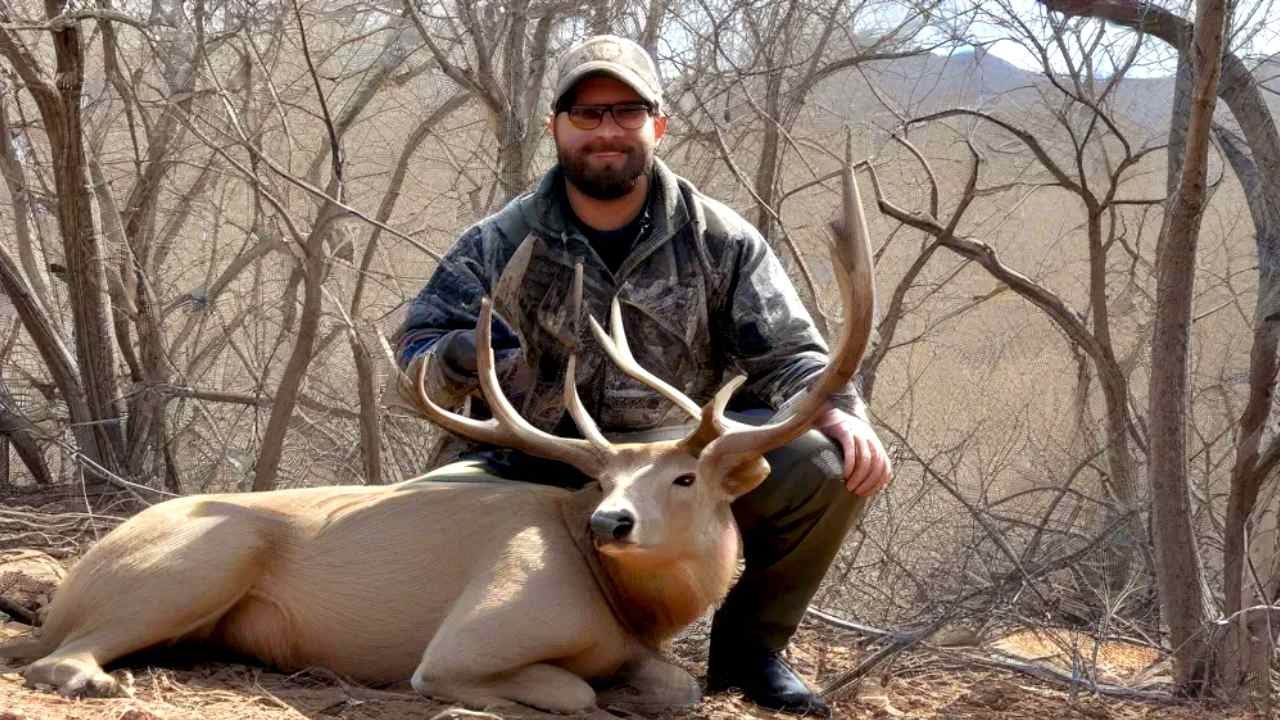
Texas hunting season for 2026-2027 starts early, with dove and some squirrel opportunities opening on September 1, 2026. From there, the calendar builds into archery deer in October, general deer in November, strong fall turkey windows, and winter waterfowl action that runs into early 2027. The main game species include white-tailed deer, mule deer, javelina, pronghorn, wild turkey, quail, pheasant, dove, ducks, geese, sandhill cranes, squirrel, rabbits, and feral hogs.
Knowing Texas hunting dates matters because seasons change by zone, county, species, and weapon type. A hunter can be legal in one county and out of season in the next. Licenses matter just as much. In Texas, endorsements, HIP certification, public-land permits, and hunter education can all affect whether a hunt is lawful. Before any trip, hunters should verify the latest details in the Texas Parks and Wildlife Outdoor Annual and check access rules for the Texas Public Hunting Program.
- ✔ Hunting season dates
- ✔ Bag limits
- ✔ Legal hunting hours
- ✔ Required licenses
- ✔ Weapon restrictions
- ✔ Blaze orange rules
- ✔ Public land rules
- ✔ Hunter education requirements
Quick Overview Table
| Species | Season | Weapon | Best Months | Permit Required |
|---|---|---|---|---|
| White-tailed deer | Oct. 3, 2026-Jan. 31, 2027 depending on zone/season | Archery, legal firearm, muzzleloader | Nov-Jan | Hunting license; archery endorsement for archery-only; county rules apply |
| Mule deer | Oct. 3-Dec. 13, 2026 depending on zone | Archery, legal firearm | Nov-Dec | Hunting license |
| Pronghorn | Oct. 3-18, 2026 | Legal firearm/archery where lawful | Oct | Landowner permit only |
| Javelina | Sept. 1, 2026-Aug. 31, 2027 South; Oct. 1, 2026-Feb. 28, 2027 North | Legal firearm/archery | Oct-Feb | Hunting license |
| Wild turkey | Oct. 3, 2026-May 23, 2027 depending on zone | Archery, shotgun, lawful archery | Mar-May, Nov-Jan | Hunting license + upland endorsement |
| Quail | Nov. 1, 2026-Feb. 28, 2027 | Shotgun, lawful air gun, archery where lawful | Nov-Jan | Hunting license + upland endorsement |
| Dove | Sept. 1, 2026-Jan. 21, 2027 depending on zone | Shotgun only for migratory birds | Sept, Dec-Jan | Hunting license + migratory endorsement + HIP |
| Duck/Goose | Sept. 12, 2026-Feb. 19, 2027 depending on species/zone | Shotgun with nontoxic shot | Nov-Jan | Hunting license + migratory endorsement + HIP; duck stamp for waterfowl 16+ |
| Sandhill crane | Oct. 31, 2026-Jan. 31, 2027 depending on zone | Shotgun with nontoxic shot | Nov-Jan | Hunting license + migratory endorsement + HIP + free crane permit |
| Public-land hunts | Varies by area | Area-specific | Fall-winter | APH, daily permit, or drawn-hunt permit may apply |
Complete Hunting Dates for Texas Hunting Season 2026-2027
Big Game
- White-tailed deer
- Archery-only: Oct. 3-Nov. 6, 2026 in 252 counties
- General: North Nov. 7, 2026-Jan. 3, 2027; South Nov. 7, 2026-Jan. 17, 2027
- Youth: Oct. 30-Nov. 1, 2026 and Jan. 4-17, 2027
- Muzzleloader-only: Jan. 4-17, 2027 in 90 counties
- Special late: North Jan. 4-17, 2027; South Jan. 18-31, 2027
- Notes: County bag limits, antler restrictions, and deer-reporting counties matter.
- Mule deer
- Archery: Panhandle Oct. 3-Nov. 20, 2026; Trans-Pecos Oct. 3-Nov. 26, 2026
- Firearm/general: Panhandle Nov. 21-Dec. 6, 2026; Trans-Pecos Nov. 27-Dec. 13, 2026
- Notes: County bag limits apply; some counties have a 20-inch outside spread rule.
- Pronghorn
- General: Oct. 3-18, 2026 in 41 counties
- Notes: Landowner permit only.
- Javelina
- North Zone: Oct. 1, 2026-Feb. 28, 2027
- South Zone: Sept. 1, 2026-Aug. 31, 2027
- Desert bighorn sheep
- Special permit season only
- Notes: No general public open season; permits go to landowners or special public opportunities.
- Wild hog
- No closed season on private property by lawful means
- Notes: No hunting license is required on private property with landowner authorization; public-land rules vary.
- Bear
- No open season; black bear is protected in Texas.
- Elk, moose, mountain goat, bison
- No state-managed open season listed in the Texas Outdoor Annual.
Turkey
- Archery-only: Oct. 3-Nov. 6, 2026
- Fall: North Nov. 7, 2026-Jan. 3, 2027; South Nov. 7, 2026-Jan. 17, 2027
- Extended fall: Brooks, Kenedy, Kleberg, and Willacy counties Nov. 7, 2026-Feb. 28, 2027
- Fall youth: North Oct. 30-Nov. 1, 2026 and Jan. 4-17, 2027; South Oct. 30-Nov. 1, 2026 and Jan. 18-31, 2027
- Spring: South Mar. 20-May 2, 2027; North Apr. 3-May 16, 2027; East Apr. 22-May 14, 2027; one-gobbler counties Apr. 1-30, 2027
- Spring youth: South Mar. 13-14 and May 8-9, 2027; North Mar. 27-28 and May 22-23, 2027
- Notes: East Zone allows shotgun and lawful archery only, with no hunting over bait.
Small Game
- Rabbit and hare / jackrabbit: No closed season statewide
- Squirrel
- East Texas: Oct. 1, 2026-Feb. 28, 2027 and May 1-31, 2027
- Youth East Texas: Sept. 25-27, 2026
- Other open counties: Sept. 1, 2026-Aug. 31, 2027
- Prairie dog: Nongame; no closed season on private property by lawful means
- Groundhog / woodchuck: No statewide listed season
Upland Birds
- Quail: Nov. 1, 2026-Feb. 28, 2027 statewide
- Pheasant: Dec. 5, 2026-Jan. 3, 2027 in Panhandle/South Plains counties
- Chachalaca: Nov. 1, 2026-Feb. 28, 2027 in Cameron, Hidalgo, Starr, and Willacy counties
- Grouse, chukar, partridge, ptarmigan: No Texas season listed
Waterfowl
- Dove
- North: Sept. 1-Nov. 8, 2026; Dec. 18, 2026-Jan. 7, 2027
- Central: Sept. 1-Oct. 25, 2026; Dec. 11, 2026-Jan. 14, 2027
- South: Sept. 1-Oct. 25, 2026; Dec. 18, 2026-Jan. 21, 2027
- Teal: Sept. 19-27, 2026 statewide
- Duck
- High Plains Mallard Management Unit: Oct. 24-25, 2026 and Oct. 30, 2026-Jan. 31, 2027
- North Zone: Nov. 14-29, 2026 and Dec. 5, 2026-Jan. 31, 2027
- South Zone: Nov. 7-29, 2026 and Dec. 12, 2026-Jan. 31, 2027
- Goose
- Early Canada Goose East: Sept. 12-27, 2026
- Dark geese: West Nov. 7, 2026-Feb. 7, 2027; East Nov. 7, 2026-Jan. 31, 2027
- Light geese: West Nov. 7, 2026-Feb. 7, 2027; East Nov. 7, 2026-Feb. 19, 2027
- Rails, gallinules, moorhens: Sept. 19-27, 2026 and Nov. 7, 2026-Jan. 6, 2027
- Snipe: Nov. 7, 2026-Feb. 21, 2027
- Woodcock: Dec. 18, 2026-Jan. 31, 2027
- Sandhill crane
- Zone A: Oct. 31, 2026-Jan. 31, 2027
- Zone B: Nov. 27, 2026-Jan. 31, 2027
- Zone C: Dec. 12, 2026-Jan. 17, 2027
Furbearers
Texas places badger, beaver, fox, mink, muskrat, nutria, opossum, otter, raccoon, ring-tailed cat, and skunk under fur-bearing animal regulations rather than the main statewide season-date page. Because legal take can differ for hunters, trappers, and nuisance-control situations, hunters should verify the current fur-bearer rules before going afield.
Predators
- Coyote: No closed season on private property by lawful means; no license required for depredating coyotes on private property with landowner authorization
- Bobcat: Nongame; no closed season on private property by lawful means
- Mountain lion: Nongame; no closed season
- Fox: Verify current fur-bearer rules before hunting
- Wolf: Not applicable in Texas hunting regulations
Special Opportunities
Texas offers youth hunts, youth/adult public hunts, drawn hunts, E-postcard hunts, mentored hunts, veteran and active-duty military waterfowl days, mobility-impaired opportunities, and standby permits through the Public Hunt Drawing System. Dates vary by hunt area.
Hunting License Fees
| License Type | Resident Fee | Nonresident Fee | Notes |
|---|---|---|---|
| Resident Hunting License | $25 | — | Standard resident license |
| Senior Resident Hunting License | $7 | — | Age 65+ |
| Youth Hunting License | $7 | $7 | Under 17; exempt from state hunting endorsements except reptile/amphibian |
| Nonresident General Hunting License | — | $315 | Required for deer, pronghorn, bighorn sheep |
| Nonresident 5-Day Small Game/Exotic | — | $48 | Not valid for deer, turkey, pronghorn, alligator, bighorn |
| Super Combo | $68 | — | Includes hunting/fishing and key state endorsements |
| Senior Super Combo | $32 | — | Age 65+ |
| Disabled Veteran Super Combo | Free | Free if qualified | In person only; duck stamp not included |
| Active Duty Military Hunting Package | Free | — | Texas resident active duty only |
| Active Duty Military Super Combo | Free | — | Texas resident active duty only |
| Annual Public Hunting Permit | $48 | $48 | Needed for many public hunting areas |
| Regular Daily Public Hunting Permit | $20 | $20 | Often waived for APH holders and youth |
| Mentored Hunting Permit | $25 | $25 | Specific mentored workshops |
| Resident Trapper’s License | $19 | — | Commercial take/sale of furbearers |
| Nonresident Trapper’s License | — | $315 | Commercial trapping |
| Lifetime Resident Hunting | $1,000 | — | Texas residents only |
| Lifetime Resident Combo | $1,800 | — | Texas residents only |
Additional fees and endorsements: archery endorsement $7, upland game bird endorsement $7, migratory game bird endorsement $7, Federal Duck Stamp $25 plus fulfillment, hunter education deferral $10, and non-core alligator hunters must submit a $21 hide-tag fee after harvest.
Important Hunting Regulations
- Valid hunting license required for most species.
- Feral hogs on private land do not require a hunting license with landowner authorization.
- Depredating coyotes on private land may be taken without a license.
- Archery endorsement is required during archery-only seasons.
- Upland endorsement is required for turkey, quail, pheasant, and chachalaca.
- Migratory endorsement and HIP are required for migratory birds.
- Waterfowl hunters age 16+ need a Federal Duck Stamp.
- Sandhill crane hunters need the free federal crane permit.
- Hunter education is required for hunters born on or after Sept. 2, 1971.
- Ages 17+ may use a one-time hunter education deferral.
- Big game and upland hours are generally ½ hour before sunrise to ½ hour after sunset.
- Migratory bird hours are generally ½ hour before sunrise to sunset.
- Electronic calls are legal for game animals and upland birds.
- Electronic calls are not legal for migratory game birds.
- Baiting is legal for many game animals and upland birds.
- Baiting is not legal for migratory birds.
- East Zone turkey hunting over bait is unlawful.
- Most public hunting lands restrict or ban baiting.
- Fully automatic firearms are unlawful.
- Rimfire cannot be used for deer, pronghorn, or bighorn sheep.
- Suppressors are legal if other laws are followed.
- Crossbows are lawful, with special archery-only deer restrictions in four counties.
- Dogs may not be used to hunt deer.
- Drones and aircraft may not be used to hunt or locate animals.
- Hunting from, on, or across public roads is unlawful.
- Discharging across a property line without permission is unlawful.
- Turkey may not be hunted on the roost.
- Unbearded hens may not be harvested.
- Deer and turkey must be tagged immediately after harvest.
- Some deer counties require harvest reporting within 24 hours.
- CWD zones can require deer heads at check stations within 48 hours.
- Deer carcass-disposal rules apply when remains leave the harvest property.
- Public hunting often requires 400 square inches of hunter orange plus orange headwear during daylight when firearm hunting is allowed.
- Public-land vehicle travel is limited to designated roads.
- ATVs/OHVs are restricted on public lands.
- State parks, refuges, and some federal lands are huntable only under scheduled or special rules.
- Texas does not publish a blanket statewide Sunday-hunting ban, but area rules still control.
Best Hunting Places in Texas
Best Deer Hunting Areas
- James E. Daughtrey WMA — Public; South Texas brush country around Choke Canyon. Strong white-tailed deer habitat, plus javelina and turkey. Mostly gentle terrain. Access can be permit-based. Difficulty: moderate.
- Black Gap WMA — Public; desert mountains and rough Trans-Pecos country. Best known for mule deer habitat. Remote, dry, and physically demanding. Difficulty: hard.
Best Turkey Hunting Areas
- James E. Daughtrey WMA — Thick brush, oak motts, and productive South Texas habitat make it a good Rio Grande turkey destination.
- Moore Plantation WMA — Pineywoods habitat in Sabine and Jasper counties with turkey, deer, and small game. Public access through the Public Hunting Lands Program. Difficulty: moderate.
Best Waterfowl Hunting Areas
- Choke Canyon / James E. Daughtrey WMA — Reservoir habitat attracts waterfowl; boat access matters.
- Caddo National Grasslands WMA — Lakes, streams, and mixed cover support waterfowl, plus deer and squirrel. Easier access than many remote WMAs.
Best Small Game Areas
- Caddo National Grasslands WMA — Good mix for squirrel, rabbit, dove, quail, and waterfowl.
- Moore Plantation WMA — Pineywoods public land with squirrel, rabbits, hares, quail, and migratory birds.
Best Public Hunting Lands
Texas stands out for scale. The APH system opens access to more than one million acres and more than 180 hunting areas, including WMAs, state parks, leased dove fields, and other public lands. If you also hunt nearby states, compare regional timing with the Oklahoma hunting season guide.
Best Wildlife Management Areas
- James E. Daughtrey WMA — Flat to rolling brush country; broad species mix.
- Moore Plantation WMA — Pineywoods forest; good for public-land variety.
- Black Gap WMA — Rugged desert country; better for experienced hunters.
Bag Limits
| Species | Daily Limit | Possession Limit | Special Notes |
|---|---|---|---|
| White-tailed deer | No daily limit stated | Annual bag applies | 5 annually, no more than 3 bucks; county rules vary |
| Mule deer | No daily limit stated | Annual bag applies | 2 annually, no more than 1 buck |
| Javelina | No daily limit stated | Annual bag applies | 2 per license year |
| Quail | 15 | 45 | No season for Mearn’s quail |
| Pheasant | 3 cocks | 9 cocks | Proof of sex required |
| Dove | 15 | 45 | No more than 2 white-tipped doves |
| Duck | 6 aggregate | 18 | Species sublimits apply |
| Goose | 5 | 15 | Zone/species restrictions apply |
| Sandhill crane | 3 in Zones A/B; 2 in Zone C | 9 in A/B; 6 in C | Free crane permit required |
| Snipe | 8 | 24 | Statewide |
| Squirrel | 10 in East Texas | 10 in youth; no limit in year-round counties | County differences matter |
| Rabbits and hares | No limit | No limit | No closed season |
Legal Hunting Hours
Texas keeps the clock simple for most hunters. Big game and nonmigratory upland game birds are generally legal from one-half hour before official sunrise until one-half hour after official sunset. That covers deer, javelina, squirrel, quail, pheasant, and most turkey hunting.
Migratory birds use a shorter evening cutoff. Ducks, geese, dove, cranes, snipe, rails, and woodcock are generally legal from one-half hour before sunrise until sunset. Night hunting is allowed for many nongame species on private property by lawful means, but hunters should notify the local game warden as a courtesy. Alligator rules are different: lawful hunting hours are daytime, and night restrictions apply to baited lines.
Hunter Education Requirements
Every hunter born on or after Sept. 2, 1971 must complete hunter education unless an exemption applies. The minimum certification age is 9. Hunters under 9 must be accompanied. Hunters ages 9-16 must complete the course or be accompanied. Hunters 17 and older must complete the course or buy the one-time hunter education deferral and hunt while accompanied.
Texas allows in-person and some online options, and the standard certification fee listed by TPWD is $15. The deferral costs $10 and is valid only once, through the end of the license year. Active-duty military, qualifying veterans, and certain peace officers may be exempt.
Public vs Private Land Hunting
Private land hunting in Texas starts with landowner permission. That applies to big game, exotics, feral hogs, and nongame species. On private land, hunters also gain the most flexibility for hog and predator control.
Public land works differently. Many Texas WMAs, leased fields, and walk-in areas require the Annual Public Hunting Permit, while some hunts use daily permits or drawings. National forests and wildlife management areas often allow public access, but each unit has its own legal-game box, check-in process, vehicle rules, and orange requirements. National wildlife refuges, state parks, and some federal lands are huntable only during scheduled hunts or under special regulations.
Frequently Asked Questions
When does hunting season start in Texas?
The earliest major opener is September 1, 2026, when dove season opens and some squirrel and South Zone javelina opportunities are already available.
Do I need a hunting license in Texas?
Usually yes. The biggest exceptions are feral hogs on private property with landowner authorization and depredating coyotes on private property.
Can nonresidents hunt in Texas?
Yes. Most nonresidents use the General Hunting License, while a cheaper 5-day small game/exotic license is available for limited species.
Can I hunt on Sundays in Texas?
Texas does not list a statewide Sunday ban in the Outdoor Annual. If the season is open, Sunday hunting is generally allowed unless a local, federal, or public-land rule says otherwise.
Can I use a crossbow in Texas?
Yes. Crossbows are legal in Texas, but archery-only deer rules in Collin, Dallas, Grayson, and Rockwall counties are more restrictive.
Do I need hunter education in Texas?
If you were born on or after Sept. 2, 1971, yes, unless you qualify for an exemption or use the one-time deferral.
Can I bait deer in Texas?
Yes on many private lands, but not for migratory birds. Also, many public hunting areas restrict or prohibit baiting.
Can I hunt at night in Texas?
For many nongame species on private property, yes. For deer, turkey, and most migratory birds, no. Always check species-specific rules.
Final Thoughts
Texas gives hunters one of the broadest calendars in the country, but it also asks them to pay attention. Zones, counties, endorsements, CWD rules, public-land permits, and species-specific methods all matter. A safe, successful season starts with matching the right license to the right hunt, then confirming the exact county or unit rules before opening day.
Responsible hunting in Texas means more than filling a tag. It means respecting landowners, following public-land check-in rules, handling game properly, wearing required orange where it applies, and supporting conservation through lawful harvest. Before any Texas hunt in 2026-2027, confirm the latest season details, bag limits, and permit requirements directly with Texas Parks and Wildlife.

- Important Virginia Hunting Dates and 2026-2027 Season Regulations - August 13, 2026
- Vermont Hunting: 2026-2027 Dates and Season Rules - August 13, 2026
- Prepare for Wyoming Hunting: 2026-2027 Season Dates and Regulations - August 13, 2026