
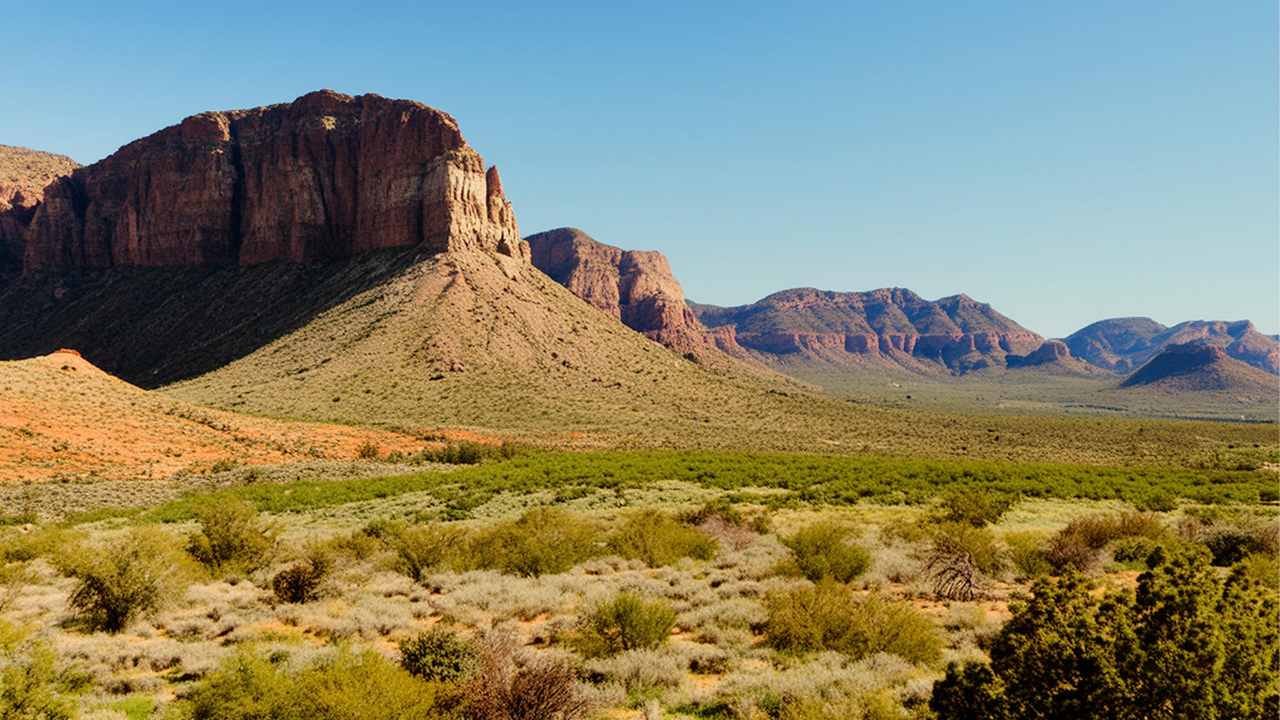
Arizona hunting season 2026-2027 starts early for some species. Archery-only deer opens in late August, archery elk begins even earlier in some units, and dove season kicks off on September 1. From desert quail and cottontails to elk, pronghorn, turkey, waterfowl, and javelina, Arizona offers one of the most varied hunting calendars in the West. That variety is exactly why hunters need to know dates before they go. In Arizona, many seasons change by weapon, open area, and hunt number, so a legal hunt in one GMU can be closed next door. Licenses matter just as much. A valid Arizona hunting license is required for most hunters, and big game often needs a draw permit-tag or nonpermit tag on top of the license. Regulations also matter in practical ways: shooting hours, tagging, reporting, migratory bird stamps, nontoxic shot, and private-land permission can all affect whether your trip stays legal and successful.
This guide is built around the latest official Arizona regulations available for the 2026-2027 season. For final confirmation before any hunt, always check the current Arizona Game and Fish hunting regulations and, if needed, the department’s hunter education classes page. For more state-specific reading, see our hunting season guide.
✔ Hunting season dates
✔ Bag limits
✔ Legal hunting hours
✔ Required licenses
✔ Weapon restrictions
✔ Blaze orange rules
✔ Public land rules
✔ Hunter education requirements
Quick Overview Table
| Species | Season | Weapon | Best Months | Permit Required |
|---|---|---|---|---|
| Deer | Aug-Jan; major general hunts Oct-Dec | Archery, muzzleloader, firearm | October, November, December | Draw for many hunts; OTC/nonpermit archery in some areas |
| Elk | Jul-Dec depending on hunt number | Archery, muzzleloader, firearm, youth | September, October, November | Yes, draw-only |
| Pronghorn | Aug-Oct | Archery, muzzleloader, firearm | August, September | Yes, draw-only |
| Javelina | Fall youth hunts; select OTC areas year-round; spring draw cycle pending | Archery, firearm | October, November, January | Varies by area and hunt type |
| Turkey | Fall archery Aug-Sep; fall shotgun Oct; spring draw cycle pending | Archery, shotgun | August, September, October | Fall archery often nonpermit; many spring/fall limited hunts are draw-based |
| Mountain Lion | Aug 21, 2026-May 31, 2027 | Firearm, archery, other legal methods | November-March | Yes, nonpermit tag required |
| Quail | Oct 16, 2026-Feb 7, 2027 | Shotgun, archery, falconry | November-January | No big game permit; hunting license required |
| Dove | Sept 1-15, 2026 and Nov 20, 2026-Jan 3, 2027 | Shotgun, falconry | September, late November | Hunting license; migratory stamp for adults 18+ |
Key Hunting Dates for Arizona Hunting Season 2026-2027
Arizona is not a one-date-fits-all state. For big game especially, the legal season depends on the exact hunt number, GMU, and weapon choice. Use the dates below as a planning guide, then match them to your exact unit before you hunt.
Big Game
Deer
- Archery season: Archery-only permit-tag deer runs from Aug. 21-Sept. 10, 2026 in listed hunts. Archery deer also includes late-season windows in some areas, including Dec. 11, 2026-Jan. 31, 2027 for nonpermit opportunities in open areas.
- Firearm season: General deer seasons are unit-specific, with common windows such as Oct. 23-Nov. 1, 2026, Oct. 30-Nov. 5, 2026, and late hunts Dec. 11-Dec. 31, 2026.
- Muzzleloader season: Several muzzleloader deer hunts fall in Oct. 23-Nov. 1, Nov. 6-Nov. 12, and Dec. 11-Dec. 31, 2026, depending on unit.
- Youth season: Youth-only general deer hunts include windows such as Oct. 9-Oct. 15, 2026.
- Special permit season: Many deer hunts are draw-based by hunt number; OTC archery is available only in specific open areas.
- Primitive season: Arizona uses muzzleloader and other restricted-weapon formats rather than a broad statewide “primitive” deer season.
- Zone variations: Very strong. Dates differ by GMU and whether you are hunting mule deer or white-tailed deer.
- Notes: Arizona allows two deer per calendar year, but only one may come from a restricted population-management nonpermit tag.
Elk
- Archery season: Archery elk windows range from July 31-Aug. 6, 2026 up through prime rut dates Sept. 11-Sept. 24, 2026, with later hunts in November.
- Firearm season: General elk hunts range from Sept. 25-Oct. 1, 2026 through late hunts in November and December, including Dec. 11-Dec. 31, 2026 in some hunts.
- Muzzleloader season: Muzzleloader elk windows include Sept. 25-Oct. 1, Oct. 2-Oct. 8, Nov. 6-Nov. 12, Nov. 13-Nov. 19, and later hunts by unit.
- Youth season: Youth-only general elk hunts include Oct. 2-Oct. 11, 2026 and Oct. 9-Oct. 15, 2026 in designated hunts.
- Special permit season: Yes. Elk is draw-only.
- Primitive season: Arizona also offers restricted-weapon/HAM-style opportunities in some hunts rather than one statewide primitive elk season.
- Zone variations: Extreme. Hunt number controls everything.
- Notes: The 2026 elk draw deadline was in early February. Always cross-check your hunt number.
Moose
- Archery season: No open season listed.
- Firearm season: No open season listed.
- Muzzleloader season: No open season listed.
- Youth season: No open season listed.
- Special permit season: None listed.
- Primitive season: None listed.
- Zone variations: Not applicable.
- Notes: Arizona does not list a moose season in the current hunting booklets reviewed.
Bear
- Archery season: Some fall archery or archery-compatible opportunities are wrapped into unit-specific bear hunts.
- Firearm season: General bear seasons include windows starting Aug. 7-Aug. 20, 2026 and fall periods beginning Oct. 2, 2026, with some hunts continuing into late fall depending on female harvest thresholds.
- Muzzleloader season: Not presented as a single statewide bear muzzleloader season in the main booklet.
- Youth season: No separate statewide youth bear season confirmed in the current general booklet.
- Special permit season: Spring bear is handled through the spring draw cycle; as of early August 2026, hunters should watch for the spring 2027 booklet release.
- Primitive season: Restricted-weapon formats can appear in draw hunts.
- Zone variations: Yes. Female harvest limits can close a unit early.
- Notes: Starting in fall 2026, bear harvest reporting is online-only within 48 hours, plus physical inspection within 10 days.
Pronghorn
- Archery season: Aug. 21-Sept. 3, 2026, with some hunts extending to Sept. 10 or using shorter windows.
- Firearm season: General pronghorn seasons include Sept. 4-Sept. 13, 2026, Sept. 11-Sept. 17, 2026, and Oct. 2-Oct. 11, 2026.
- Muzzleloader season: Aug. 28-Sept. 3, Sept. 4-Sept. 10, and Sept. 4-Sept. 13, 2026, depending on the hunt.
- Youth season: Not listed as a broad statewide youth-only pronghorn season in the summary reviewed.
- Special permit season: Yes. Pronghorn is draw-only.
- Primitive season: Covered through muzzleloader or restricted-weapon hunt types.
- Zone variations: Dates vary by unit and hunt number.
- Notes: Pronghorn is one of the earliest fall big game hunts in Arizona.
Bighorn Sheep
- Archery season: No broad statewide archery season listed in the summary reviewed.
- Firearm season: Unit-specific ram hunts commonly run in late fall and December 2026, with some starting as early as Oct. 1 and many grouped around Dec. 1-Dec. 31.
- Muzzleloader season: No statewide bighorn muzzleloader framework was confirmed in the summary.
- Youth season: Not confirmed in the current general booklet summary.
- Special permit season: Yes. Draw-only.
- Primitive season: Hunt type is controlled by the permit.
- Zone variations: Very strong.
- Notes: Arizona’s limit is one desert bighorn in a lifetime and one Rocky Mountain bighorn in a lifetime. Physical inspection is required within 3 days.
Mountain Goat
- No open Arizona hunting season listed in the current booklets reviewed.
Bison
- Archery season: Some hunts may be weapon-specific by permit, but bison is governed by draw seasons.
- Firearm season: The summary shows seasons beginning July 31-Aug. 20, 2026, plus additional hunt windows in November and December 2026.
- Muzzleloader season: Hunt-specific if offered.
- Youth season: Not confirmed in the current general booklet summary.
- Special permit season: Yes. Draw-only.
- Primitive season: Hunt-specific.
- Zone variations: Controlled by hunt number.
- Notes: Arizona’s bag limit is one bison in a lifetime.
Wild Hog
- No statewide wild hog season is listed in the Arizona 2026-2027 booklets reviewed.
Javelina
- Archery season: Some nonpermit archery opportunities remain open in select areas.
- Firearm season: Youth-only general hunts include Oct. 2-Oct. 11, 2026 and Nov. 20-Nov. 29, 2026 in certain hunts.
- Muzzleloader season: Not listed as a standalone statewide season in the summary reviewed.
- Youth season: Yes, in designated youth-only fall hunts.
- Special permit season: Yes. Many hunts are draw-based; the spring 2027 draw booklet had not yet been published at the time of this update.
- Primitive season: Restricted-weapon/HAM-style spring hunts are typically handled in the spring booklet.
- Zone variations: Yes, including some open-area OTC options.
- Notes: Arizona allows two javelina per calendar year, but no more than one per open area.
Any other state-specific big game
- Arizona’s big game lineup also includes Coues white-tailed deer as part of deer management, but the season structure still follows the deer framework above.
Turkey
- Spring: As of this August 2026 update, hunters should watch for the 2027 spring turkey draw booklet. Arizona handles spring turkey through the spring draw cycle, so exact 2027 dates were not yet posted in the official spring booklet at the time of review.
- Fall:
- Archery-only fall turkey: Aug. 21-Sept. 10, 2026
- Limited weapon-shotgun fall turkey: Oct. 2-Oct. 8, 2026
- Youth: Youth spring turkey opportunities are generally released in the spring draw booklet; confirm once the 2027 supplement is published.
- Special seasons: Draw-based spring hunts and unit-specific fall hunts apply.
- Notes: Arizona’s annual turkey limit is one turkey per calendar year.
Small Game
- Rabbit (cottontail): July 1, 2026-June 30, 2027, statewide. Daily bag 5, possession 15.
- Squirrel (tree squirrel): Oct. 2, 2026-Jan. 31, 2027, with some area-specific differences. Daily bag 5, possession 15.
- Hare / Jackrabbit: July 1, 2026-June 30, 2027. Daily bag 2 in aggregate for black-tailed or antelope jackrabbits, possession 6.
- Groundhog / Woodchuck: No statewide Arizona season listed.
- Prairie Dog: No statewide Arizona season listed in the booklets reviewed.
- Notes: Mount Graham red squirrel remains protected.
Upland Birds
- Pheasant:
- Rooster pheasant in Unit 40B: Sept. 1-Sept. 15, 2026
- Archery-only pheasant: Oct. 16, 2026-Feb. 7, 2027
- Daily bag 2, possession 6
- Quail:
- Gambel’s, scaled, and California quail: Oct. 16, 2026-Feb. 7, 2027
- Mearns’ quail: Dec. 4, 2026-Feb. 7, 2027
- Daily bag 15 total, but no more than 8 Mearns’ in a day
- Grouse (dusky/blue grouse): Sept. 1-Nov. 8, 2026. Daily bag 3, possession 9.
- Chukar: Sept. 1, 2026-Feb. 7, 2027. Daily bag 5, possession 15.
- Partridge: Chukar is the main partridge-type season shown.
- Ptarmigan: No Arizona season listed.
Waterfowl
- Ducks, mergansers, coots, gallinules, white geese, and dark geese: Oct. 23, 2026-Jan. 31, 2027
- Scaup: Nov. 7, 2026-Jan. 31, 2027
- Snipe: Oct. 23, 2026-Jan. 31, 2027
- Youth-only waterfowl: Feb. 6-7, 2027
- Falconry-only waterfowl: Feb. 1-4, 2027
- Brant: Counted within dark goose limits.
- Coot: Open during the main waterfowl season; daily bag 25 in aggregate with gallinules.
- Rails / Gallinules / Moorhens: Gallinules are addressed in the waterfowl booklet; rail and moorhen details should be checked in the current migratory bird pamphlet before hunting.
- Woodcock: No open statewide woodcock season was verified in the materials reviewed.
- Notes: Nontoxic shot is required statewide for ducks, geese, brant, and coots.
Furbearers
- Bobcat: Aug. 1, 2026-Mar. 31, 2027
- Fox: Aug. 1, 2026-Mar. 31, 2027
- Raccoon: Aug. 1, 2026-Mar. 31, 2027
- Skunk: Year-round with coyote under the daylight predator framework
- Mink / Otter / Muskrat / Beaver: Not listed as standard hunting seasons in the general hunting booklet reviewed; trapping rules may differ.
- Badger: Aug. 1, 2026-Mar. 31, 2027
- Weasel: Aug. 1, 2026-Mar. 31, 2027
- Ringtail: Aug. 1, 2026-Mar. 31, 2027
Predators
- Coyote: July 1, 2026-June 30, 2027
- Fox: Aug. 1, 2026-Mar. 31, 2027
- Wolf: No Arizona wolf hunting season
- Mountain Lion: Aug. 21, 2026-May 31, 2027
- Notes: Night-hunting rules vary by species and area. Mountain lion requires harvest reporting and physical inspection.
Special Opportunities
- Youth Hunts: Youth-only deer, elk, javelina, and waterfowl opportunities are available in select hunts.
- Veterans Hunts: No statewide veterans-only season was confirmed in the current general booklets reviewed.
- Disabled Hunts: Arizona offers qualifying complimentary licenses for some disabled veterans, but hunters should still verify hunt-specific access or accommodations.
- Apprentice Hunts: Arizona’s official fee page does not list a standard apprentice hunting license like some states do.
- Mentored Hunts: AZGFD promotes mentored hunt camps through its Outdoor Skills Network.
- Military Hunts: Military residency and licensing provisions exist, but this guide did not verify a separate statewide military-only season.
Hunting License Fees
Arizona’s license structure is simpler than many states, but big game still requires additional tags or permit-tags.
| License Type | Resident Fee | Nonresident Fee | Notes |
|---|---|---|---|
| Resident Hunting License | $37 | — | General hunting license for small game, predators, furbearers, and upland birds |
| Nonresident Hunting License | — | $160 | AZGFD’s standard nonresident option shown is the combo hunt & fish license |
| Youth Combo Hunt & Fish License | $5 | $5 | Ages 10-17 only |
| Senior / Pioneer License | Free for qualifying residents | — | Must be 70+ and have 25 consecutive years of Arizona residency |
| Disabled Veteran Complimentary License | Free for qualifying residents | — | Requires qualifying VA disability documentation |
| Apprentice License | Not listed | Not listed | Arizona does not list a standard apprentice license on the official fee page reviewed |
| Combination License | $57 | $160 | Combo hunt & fish |
| Sportsman’s License | Not listed | Not listed | No separate sportsman license shown on the reviewed fee page |
| Lifetime License | Fee not shown on reviewed page | Not shown | Arizona offers resident lifetime licenses |
| Short-term License | $15/day | $20/day | Not valid for draw applications |
| Small Game License | Included in general hunting license | Included in standard hunting option | Big game tag not included |
| Big Game License | Hunting license + tag fee | Hunting license + tag fee | Big game needs a valid permit-tag or nonpermit tag |
| Bow License | No separate statewide bow license | No separate statewide bow license | Weapon choice is controlled by hunt type and tag |
| Firearm License | No separate statewide firearm license | No separate statewide firearm license | Standard hunting license still required |
| Arizona Migratory Bird Stamp | $5 | $5 | Required for hunters age 18+ pursuing migratory birds |
Quick Answer: Arizona does not sell one universal “big game package.” In most cases you need a valid hunting license first, then the correct permit-tag or nonpermit tag for the species.
Important Hunting Regulations
- Arizona residents and nonresidents 10 years and older need a valid hunting license to hunt.
- A person under age 10 may not take big game in Arizona.
- A youth under age 14 must complete hunter education before hunting big game.
- Youth may enter a big game draw before completing hunter education, but they must finish the course before the hunt.
- The general hunting license covers small game, furbearers, predatory animals, and upland game birds.
- Big game requires the hunting license plus the correct permit-tag or nonpermit tag.
- Legal big game shooting time is generally daylight hours.
- For waterfowl, dove, and band-tailed pigeon, legal shooting hours are generally one-half hour before sunrise until sunset.
- Arizona’s regulations reviewed do not show a statewide blaze orange mandate for general hunting.
- Arizona’s current booklets reviewed do not list a general Sunday hunting ban.
- Hunters must tag or e-tag game immediately after harvest.
- Starting in fall 2026, bear, mountain lion, and OTC archery deer harvest reports must be filed online within 48 hours.
- Bear and mountain lion also require physical inspection within 10 days of harvest.
- Bighorn sheep requires physical inspection within 3 days.
- Sandhill crane hunters must complete the required check-station process.
- It is unlawful to use aircraft, including drones, to take or assist in taking wildlife.
- Arizona allows the lawful use of suppressors while hunting.
- Using edible or ingestible bait to aid in taking big game is unlawful.
- The use of cervid urine lures is restricted under Arizona’s disease-prevention rules.
- For migratory birds, hunters must keep one fully feathered wing attached until the bird reaches its final destination.
- Shotguns used for dove and other migratory bird hunts must be plugged to hold no more than three shells.
- For waterfowl and coots, hunters may not possess or use lead shot; approved nontoxic shot is required.
- Hunters age 18 and older need an Arizona Migratory Bird Stamp for migratory birds.
- Waterfowl hunters age 16 and older also need a Federal Duck Stamp.
- Crossbows are not automatically legal in every archery-only hunt; hunters must follow the archery-hunt permit rules.
- Arizona’s reviewed rules require a minimum 30-pound draw weight for big-game bows.
- Night hunting with artificial light is species- and area-specific, not a blanket statewide privilege.
- Raccoon hunting can involve night rules, but hunters must still follow the area and vehicle restrictions in the current booklet.
- Private land requires permission from the landowner or lawful occupant.
- State Trust lands are widely used by hunters, but off-road travel is generally prohibited except for legal big game retrieval.
- Camping within one-quarter mile of a developed water source or wildlife water is restricted.
- GMU maps are a planning tool, but the legal unit description controls.
- Arizona considers resident status based on six months of domicile before application in most cases.
- Minors under 18 using OHVs are required by law to wear a helmet.
- Bobcat hunters moving pelts across regulated channels should verify sealing/export requirements.
- Mountain lion seasons can be affected by management thresholds and area-specific rules, so do not rely on an old lion tag notice.
- Bear hunters must watch female harvest status because some hunts can close early.
- Eurasian collared-doves are treated differently from migratory doves and do not require the Arizona migratory stamp.
- Hunters should always re-check emergency closures, fire restrictions, and access notices before leaving home.
Warning: Arizona’s biggest legal trap is assuming one rule applies statewide. In reality, hunt numbers, open areas, and unit boundaries decide whether your tag, weapon, and dates are legal.
Best Hunting Places in Arizona
Arizona does not use one simple county-based system. The best strategy is to combine official GMU maps with wildlife-area scouting and current access checks.
Best Deer Hunting Areas
GMU 22
- Habitat: Mixed public-land unit with varied cover and elevation.
- Species found: Mule deer and white-tailed deer, plus elk, bear, turkey, quail, and lion.
- Why hunters like it: Strong species diversity makes it a good choice for hunters who scout hard and want multiple backup opportunities.
- Access information: Use AZGFD GMU maps and legal boundary descriptions.
- Public/private: Mostly public hunting focus, but always verify land ownership at the parcel level.
- Terrain: Unit-wide terrain varies; pre-season map work matters.
- Difficulty level: Moderate to high.
GMU 27
- Habitat: Mixed mountain and transition-country deer habitat.
- Species found: Mule deer, white-tailed deer, bear, elk, javelina, turkey, lion, quail, dove, and tree squirrel.
- Why hunters like it: It offers one of the broader species mixes in the state.
- Access information: Study current unit maps before the season.
- Public/private: Primarily public-unit hunting.
- Terrain: Big country that rewards scouting.
- Difficulty level: High.
Best Turkey Hunting Areas
GMU 6A
- Habitat: Forested and mixed-elevation country suitable for Merriam’s turkey.
- Species found: Merriam’s turkey, elk, mule deer, white-tailed deer, bear, lion, javelina, tree squirrel, and waterfowl.
- Why hunters like it: The turkey presence is backed by a unit with strong big-game overlap.
- Access information: Hunt planning should start with the official GMU map and current road conditions.
- Public/private: Public-land oriented.
- Terrain: Mixed and often rugged.
- Difficulty level: Moderate to high.
GMU 27
- Habitat: High-country and transitional habitat.
- Species found: Merriam’s turkey along with deer, elk, bear, and lion.
- Why hunters like it: It supports both turkey scouting and combo-species preseason planning.
- Access information: Check access routes carefully before the hunt.
- Public/private: Mostly public-unit access.
- Terrain: Rugged.
- Difficulty level: High.
Best Waterfowl Hunting Areas
Whitewater Draw Wildlife Area
- Habitat: Wetland, riparian, and grassland habitat.
- Species found: Sandhill cranes, teal, shovelers, pintails, ibis, grebes, doves, quail, and wetland birds.
- Why hunters like it: It is one of Arizona’s best-known bird areas, especially during crane and waterfowl movements.
- Access information: Located near McNeal in southeastern Arizona with established access roads.
- Public/private: Public, AZGFD-managed wildlife area.
- Terrain: Flat wetland country with marsh edges.
- Difficulty level: Easy to moderate.
- Special note: Hunting closures can apply during the crane hunt window, so verify the current map.
Robbins Butte Wildlife Area
- Habitat: Gila River corridor with marshy water, cattails, willow, cottonwood, mesquite, desert scrub, and food plots.
- Species found: Mourning and white-winged doves, Gambel’s quail, javelina, mule deer, rabbits, coyotes, and ringtails.
- Why hunters like it: Food crops and river habitat make it especially attractive for dove and small-game planning.
- Access information: Located east and west of Highway 85 where it crosses the Gila River southwest of Buckeye.
- Public/private: Public, AZGFD-managed wildlife area.
- Terrain: River-bottom cover, fields, and desert edge habitat.
- Difficulty level: Easy to moderate.
Best Small Game Areas
Robbins Butte Wildlife Area
- Great for doves, rabbits, and quail because it mixes food plots with thick cover and river habitat.
Whitewater Draw Wildlife Area
- Better for bird-focused hunters who want quail, doves, and water-associated species in one scouting trip.
GMU 22
- Worth a look for quail and tree squirrel hunters who also want a unit with larger-game crossover potential.
Best Public Hunting Lands
GMU 6A, GMU 22, and GMU 27 are all strong public-land starting points because AZGFD specifically identifies them as active hunting units with multiple huntable species. The key is not just choosing a famous unit. It is choosing a unit that matches your tag, weapon, access confidence, and physical ability.
Best Wildlife Management Areas
Whitewater Draw Wildlife Area
- Best for waterfowl-minded hunters and crane-country scouting.
Robbins Butte Wildlife Area
- Best for dove, quail, rabbit, and general-access small-game planning.
Pro Tip: In Arizona, the “best” hunting place is often the one you can access legally, scout thoroughly, and hunt with the exact tag in hand. A less famous unit you know well usually beats a famous unit you only know from maps.
Bag Limits
| Species | Daily Limit | Possession Limit | Special Notes |
|---|---|---|---|
| Deer | Annual limit: 2 per calendar year | Same | One must come from restricted population-management nonpermit rules if taking two |
| Elk | 1 per valid tag | 1 per valid tag | Hunt-specific and tag-specific |
| Pronghorn | 1 per valid tag | 1 per valid tag | Draw-only |
| Bighorn Sheep | Lifetime limit | Lifetime limit | One desert and one Rocky Mountain in a lifetime |
| Bison | Lifetime limit | Lifetime limit | One in a lifetime |
| Bear | Annual limit: 2 | Same | One may come from restricted nonpermit population-management rules |
| Mountain Lion | Annual limit: 1 | Same | Mandatory reporting and inspection |
| Javelina | Annual limit: 2 | Same | No more than one per open area |
| Turkey | Annual limit: 1 | Same | Applies statewide |
| Cottontail Rabbit | 5 | 15 | Statewide general season |
| Jackrabbit | 2 | 6 | Aggregate for black-tailed/antelope jackrabbits |
| Tree Squirrel | 5 | 15 | Some area differences may apply |
| Quail | 15 aggregate | 45 aggregate | No more than 8 Mearns’ per day |
| Pheasant | 2 | 6 | Roosters only where applicable |
| Chukar | 5 | 15 | Statewide season |
| Dusky Grouse | 3 | 9 | Unit exclusions apply |
| Mourning/White-winged Dove | 15 aggregate | 45 aggregate | Early and late seasons |
| Eurasian Collared-Dove | Unlimited | Unlimited | Different rule set from migratory doves |
| Band-tailed Pigeon | 2 | 6 | Separate season |
| Ducks/Mergansers | 7 | 21 | Species sub-limits apply |
| White Geese | 20 | 60 | Daily white-goose limit |
| Dark Geese | 5 | 15 | Includes brant and white-fronted geese |
| Coots/Gallinules | 25 aggregate | 75 aggregate | Waterfowl season |
| Snipe | 8 | 24 | Waterfowl booklet |
| Sandhill Crane | 3 per 3-day hunt | 6 per calendar year | Check-station requirement |
| Coyote | Unlimited | Unlimited | Daylight framework; area exceptions exist |
| Fox / Bobcat / Ringtail / Badger / Weasel | No fixed daily limit shown in summary | No fixed possession limit shown in summary | Season dates still apply |
| Coati | Annual limit: 1 | Same | Sept.-Mar. season |
Legal Hunting Hours
Arizona keeps this simple in one sense and tricky in another.
- General hunting hours: For most big game and many small-game hunts, legal shooting time is daylight hours.
- Big game: Deer, elk, pronghorn, bear, sheep, lion, and similar hunts generally follow the daylight rule.
- Turkey: Fall turkey follows standard legal daylight hunting hours unless the hunt’s printed rules say otherwise.
- Waterfowl: Waterfowl, dove, and band-tailed pigeon generally run from one-half hour before sunrise until sunset.
- Night hunting: Arizona allows some night hunting only for certain species and open areas. Raccoons and some coyote situations are the main places hunters need to read the fine print.
- Exceptions: Sandhill crane, migratory birds, and predator hunts can carry special language. Never assume a bird season uses the same shooting window as a deer hunt.
Hunter Education Requirements
Arizona’s hunter education rules are youth-focused and more flexible than some states, but the big game rules are firm.
- Who needs hunter education: Hunters under age 14 must complete hunter education before taking big game in Arizona.
- Minimum age: Youth can start hunter education at age 9. A hunter must be 10 years old to hunt big game.
- Online courses: Arizona residents age 9 and older can complete approved online coursework.
- Field day: The classroom course includes a field day. The online path can include a field day, but Arizona’s exact completion rules should be checked on the course page before registration.
- Exemptions: Out-of-state hunter education certificates are recognized for the youth big-game requirement, but they do not earn Arizona’s bonus point.
- Apprentice licenses: Arizona’s reviewed fee page does not list a standard apprentice hunting license. Instead, the state uses regular licensing plus youth and hunter-ed rules.
- Bonus point note: Hunter education must be completed at least 30 days before a draw deadline to earn the education bonus point for that draw.
Public vs Private Land Hunting
Arizona has huge public-land opportunity, but access still has rules.
- Permission requirements: Private land is still private land. Always get permission before hunting there.
- Public land rules: Public access does not erase weapon, date, or hunt-number restrictions.
- Wildlife Management Areas / Wildlife Areas: Arizona wildlife areas such as Whitewater Draw and Robbins Butte can offer good access, but closures, habitat protections, and hunt-specific rules may apply.
- National Forests: These lands can provide excellent access, but federal closures, fire restrictions, or travel-management rules can change your plan fast.
- National Wildlife Refuges: Some refuges allow hunting, some restrict it heavily, and others close parts of the property seasonally.
- State Forests / State Trust Lands: Arizona State Trust lands are heavily used by hunters, but vehicle travel rules matter. Off-road use is generally restricted except for legal retrieval.
- Walk-in areas: Arizona access is more often managed through GMUs, mapped public lands, and wildlife areas than through one simple statewide walk-in program. Read posted signs and parcel rules before you hunt.
- Best practice: Start with the AZGFD GMU map, then confirm land status, road access, wildfire closures, and any local no-shoot buffers.
Frequently Asked Questions
When does hunting season start in Arizona?
For 2026-2027, some archery big-game hunts start in late July or August, while dove season opens Sept. 1 and the main fall general hunts build through September and October.
Do I need a hunting license in Arizona?
Yes. Most hunters age 10 and older need a valid Arizona hunting license.
Can nonresidents hunt in Arizona?
Yes. Nonresidents can hunt Arizona, but they must buy the proper nonresident license and, for big game, the proper tag or draw permit.
Can I hunt on Sundays in Arizona?
Arizona does not list a statewide Sunday hunting ban in the reviewed 2026-2027 regulations, but area-specific rules still apply.
Can I use a crossbow in Arizona?
Sometimes. Crossbow legality depends on the season type and whether the hunt is truly archery-only under permit rules.
Do I need hunter education in Arizona?
If you are under 14 and hunting big game, yes. Adults do not face the same statewide requirement.
Can I bait deer in Arizona?
No. Using edible or ingestible bait to aid in taking big game is unlawful.
Can I hunt on public land in Arizona?
Yes, Arizona has extensive public hunting opportunity, but you still must follow unit boundaries, season dates, and access rules.
Can I hunt at night in Arizona?
Only for certain species and under specific rules. Arizona does not allow blanket night hunting across all game.
What is the blaze orange requirement in Arizona?
The reviewed 2026-2027 booklet does not show a statewide blaze orange requirement for general hunting.
Do I need a migratory bird stamp in Arizona?
Yes, if you are 18 or older and hunting migratory birds. Waterfowl hunters 16 and older also need a Federal Duck Stamp.
What are Arizona legal shooting hours?
Most big game follows daylight hours. Waterfowl and dove generally use one-half hour before sunrise until sunset.
Are suppressors legal for hunting in Arizona?
Yes. Arizona allows lawful suppressor use while hunting.
Is waterfowl hunting in Arizona lead-free?
Yes. Nontoxic shot is required for ducks, geese, brant, and coots.
Do I have to report a bear or mountain lion harvest?
Yes. Starting in fall 2026, harvest reports are online-only within 48 hours, and physical inspection is also required.
Final Thoughts
Arizona hunting season 2026-2027 gives hunters a rare mix of desert, mountain, wetland, and high-country opportunity. You can chase doves in the Gila corridor, hunt elk in timbered units, scout deer in mixed country, and plan late-season quail or waterfowl trips all in the same state. Still, Arizona rewards careful hunters more than careless ones. Dates change by GMU, hunt number, species, and weapon. That means the safest move is always the same: match your tag to the current booklet, confirm access before you drive, and double-check any unit closure or reporting rule before you hunt.
Responsible hunting protects more than your tag. It protects access, conservation funding, wildlife management, and the reputation of every hunter in the field. Hunt safely, respect private land, report game correctly, and confirm the latest official Arizona Game and Fish rules before every trip.

- Important Virginia Hunting Dates and 2026-2027 Season Regulations - August 13, 2026
- Vermont Hunting: 2026-2027 Dates and Season Rules - August 13, 2026
- Prepare for Wyoming Hunting: 2026-2027 Season Dates and Regulations - August 13, 2026