
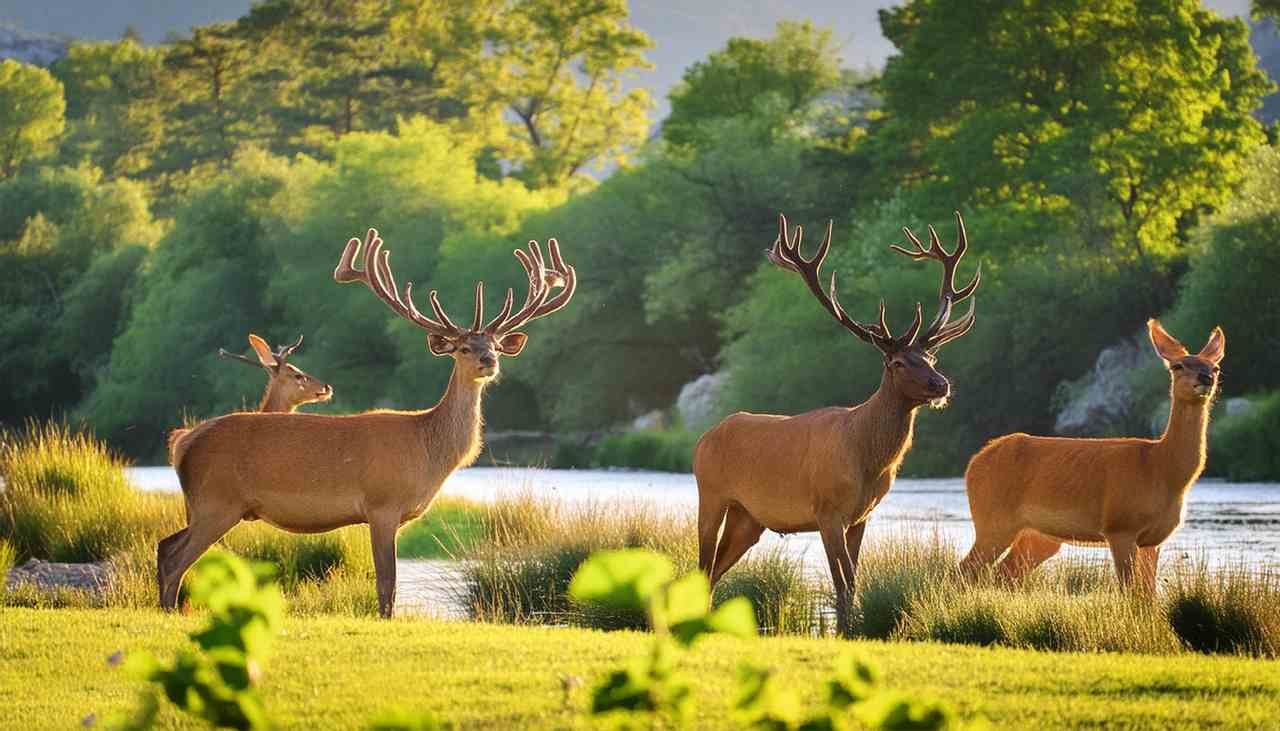
New Hampshire hunting season for 2026-2027 starts early, with gray squirrel and black bear opportunities opening in September, followed by archery deer on September 15 and the main fall calendar rolling into turkey, pheasant, waterfowl, and regular firearms seasons later in the fall. Hunters in the Granite State can pursue deer, black bear, moose by permit, wild turkey, rabbits, hare, grouse, pheasant, ducks, geese, and several furbearers. Because New Hampshire uses Wildlife Management Units, zone-based waterfowl frameworks, and special town rules in some firearm areas, knowing your season dates before you leave the truck is not optional.
Licenses matter just as much as dates. In New Hampshire, big-game and specialty opportunities often require add-on permits for bear, turkey, pheasant, migratory waterfowl, muzzleloader, or archery. Just as important, hunters need to follow tagging, registration, baiting, orange-safety, and land-access rules. For the most current updates before you hunt, always re-check the New Hampshire Fish and Game hunting digest.
- ✔ Hunting season dates
- ✔ Bag limits
- ✔ Legal hunting hours
- ✔ Required licenses
- ✔ Weapon restrictions
- ✔ Blaze orange rules
- ✔ Public land rules
- ✔ Hunter education requirements
Quick Overview
| Species | Season | Weapon | Best Months | Permit Required |
|---|---|---|---|---|
| White-tailed deer | Sept.-Dec. | Archery, muzzleloader, firearm, crossbow in select WMUs | October-November | Base hunting/archery license; muzzleloader or special tags as needed |
| Black bear | Starts Sept. 1 | Firearm, archery, legal methods by bear season | September-October | Bear license |
| Moose | Oct. 17-25, 2026 | Legal firearm, muzzleloader, archery, legal air rifle | October | Moose permit |
| Turkey | Apr.-May; Sept.-Dec.; Oct. shotgun week | Shotgun, bow, crossbow | May, October | Turkey permit |
| Small game | Sept.-March | Shotgun, bow, crossbow, legal air rifle | October-December | Hunting license or eligible small game license |
| Waterfowl | Sept.-Jan. | Shotgun, bow | October-January | State waterfowl license, HIP, Federal Duck Stamp |
| Furbearers | Sept.-March, varies by species | Firearm, bow, shotgun; trapping rules separate | November-January | Regular hunting license |
Complete Hunting Dates for New Hampshire Hunting Season 2026-2027
Big Game
Deer
- Archery: Sept. 15-Dec. 15 in WMUs B-M; closes Dec. 8 in WMU A
- Youth deer weekend: Oct. 24-25, 2026
- Muzzleloader: Oct. 31-Nov. 10, 2026 statewide, with “any deer” days varying by WMU
- Regular firearms: Nov. 11-Dec. 6, 2026 statewide; closes Nov. 29 in WMU A
- Special permits: Unit L and Unit M antlerless-only permits can be used during legal deer seasons in those units, even on antlered-only days, with the legal method for that season
- Zone variation: Deer opportunity expands or narrows by WMU during muzzleloader and firearm season, especially for “any deer” dates
Moose
- Permit season: Oct. 17-25, 2026
- Permit only: Yes, by assigned WMU
- Methods: Legal archery, muzzleloader, firearm, and qualifying air rifle
- Bag limit: One moose per permit
Black Bear
- Season opener: Sept. 1
- Methods: New Hampshire runs separate general, bait, and dog bear seasons
- Permit required: Bear license for all ages; hunters 16+ also need the underlying hunting, combination, or archery license
- Extra opportunity: Additional bear tag valid only in WMUs C1, D2, E, and F after the first bear is registered
- Important note: Exact 2026 method-specific closing dates vary by management area and should be verified in the current bear calendar before hunting
Elk, pronghorn, bighorn sheep, mountain goat, bison, javelina
- No New Hampshire season
Wild hog / feral boar
- No regular public season. Free-ranging boar in southwest New Hampshire are treated as private property, and permission is required.
Turkey
- Youth turkey weekend: Apr. 25-26, 2026
- Spring turkey: May 1-31, 2026
- Fall archery: Sept. 15-Dec. 15 in WMUs B-M; Sept. 15-Dec. 8 in WMU A
- Fall shotgun: Oct. 12-18, 2026 in WMUs D2, H1, H2, I1, J2, K, L, and M
- Bag structure: One spring bird may be taken statewide; a second spring bird is allowed only in WMUs H1, H2, J2, K, L, and M after the first is registered. Fall limit is one turkey total.
Small Game
- Gray squirrel: Sept. 1, 2026-Jan. 31, 2027
- Cottontail rabbit: Oct. 1, 2026-Mar. 15, 2027 in WMUs H2, K, L, M
- Snowshoe hare: Oct. 1, 2026-Mar. 31, 2027; limit varies by WMU
- Woodcock: Oct. 1-Nov. 14, 2026
- Crow: Aug. 15-Nov. 30, 2026 and Mar. 16-Mar. 31, 2027
Upland Birds
- Pheasant: Oct. 1-Dec. 31, 2026
- Youth pheasant: Sept. 26-27, 2026
- Ruffed grouse: Oct. 1-Dec. 31, 2026
- Quail, chukar, partridge: Oct. 1-Dec. 31, 2026
Waterfowl
New Hampshire uses Northern, Inland/Connecticut River, and Coastal zones for ducks and related species.
- Ducks – Northern Zone: Oct. 2-Nov. 30, 2026
- Ducks – Inland/CT River: Oct. 13-Nov. 11 and Nov. 25-Dec. 24, 2026
- Ducks – Coastal Zone: Oct. 6-12, 2026 and Nov. 26, 2026-Jan. 17, 2027
- Mergansers / coots / sea ducks: Same dates as ducks
- Canada geese, early season: Sept. 1-25, 2026 statewide
- Canada geese, regular: Same dates as ducks by zone
- Brant: Oct. 2-31 in Northern; Oct. 13-Nov. 11 Inland/CT River; Oct. 6-12 and Nov. 26-Dec. 18 Coastal
- Common snipe: Sept. 15-Nov. 14, 2026 statewide
- Woodcock: Oct. 1-Nov. 14, 2026 statewide
- Youth waterfowl weekend: Sept. 26-27, 2026
- Veterans/active military weekend: Jan. 23-24, 2027
- Important note: Because migratory bird frameworks can change, confirm final dates and stamps before opener, including Federal Duck Stamp information.
Furbearers
- Coyote: No closed season; night hunting Jan. 1-Mar. 31
- Fisher: Dec. 1, 2026-Jan. 31, 2027; season limit 2 combined with trapping
- Fox, opossum, skunk, raccoon: Sept. 1, 2026-Mar. 31, 2027
- Mink, muskrat, weasel: Oct. 15, 2026-Apr. 10, 2027 in WMUs A-F; Nov. 1, 2026-Apr. 10, 2027 in WMUs G-M
- Bobcat, lynx, pine marten: Closed
Predators
- Coyote: Open year-round; night opportunity Jan. 1-Mar. 31
- Fox: Sept. 1-Mar. 31
- Wolf / mountain lion: No open season
Special Opportunities
- Youth deer weekend
- Youth turkey weekend
- Youth pheasant weekend
- Youth waterfowl weekend
- Veteran and active military waterfowl weekend
- Apprentice hunting license for first-time hunters accompanied by a licensed adult
Hunting License Fees
| License Type | Resident Fee | Nonresident Fee | Notes |
|---|---|---|---|
| Hunting license | $32.00 | $113.00 | Wildlife habitat fee and transaction fee apply |
| Combination hunting/fishing | $56.00 | $151.00 | Includes deer tag privileges |
| Archery | $32.00 | $83.00 | Required for archery deer hunting |
| Muzzleloader | $16.00 | $41.00 | Add-on to hunting or combination license |
| Bear permit | $16.00 | $48.00 | Separate bear tag issued |
| Additional bear | $16.00 | $48.00 | Valid only in C1, D2, E, F |
| Turkey permit | $16.00 | $31.00 | Covers spring and fall |
| Pheasant permit | $31.00 | $31.00 | Required in addition to base license |
| Migratory waterfowl | $11.00 | $11.00 | State stamp/license; Federal stamp also needed |
| Small-game hunting | N/A | $53.00 | Nonresident only |
| 3-day small-game | N/A | $25.00 | Consecutive days |
| Special deer archery | $26.00 | $26.00 | Must be bought with archery license |
| Senior combination | $7.00 | N/A | Residents age 68+ |
| Senior archery | $3.00 | N/A | Residents age 68+ |
| Senior muzzleloader | $3.00 | N/A | Residents age 68+ |
| Milestone permanent licenses | Free | N/A | Residents born in or before 1947 |
| Lifetime licenses | Age-based | N/A | Resident only; fee schedule varies by age |
| Youth under 16 | No general base license | No general base license | Special permits still required for bear, turkey, some deer tags, and nonresident youth muzzleloader |
Fee note: A $2.50 Wildlife Habitat Fee applies once annually to certain licenses, plus a transaction fee.
Important Hunting Regulations
- Sunday hunting is legal in New Hampshire.
- Deer hunting hours are generally 1/2 hour before sunrise to 1/2 hour after sunset.
- Fall turkey hours are 1/2 hour before sunrise to 1/2 hour after sunset.
- Spring turkey hours end at 12 noon.
- Waterfowl, woodcock, and snipe hours run 1/2 hour before sunrise to sunset.
- Coyotes may be hunted at night from Jan. 1-Mar. 31.
- Raccoons may also be hunted at night.
- Deer, bear, moose, and turkey must be tagged immediately after harvest.
- Deer, bear, moose, and turkey must generally be registered within 24 hours.
- Deer registration must be in person for the first two muzzleloader days and first three firearms days.
- Furbearers taken by hunting must be registered online within 24 hours.
- Fisher taken by hunting must also be sealed, with the lower jaw submitted.
- A baiting permit is required for any bait site.
- No bait may be placed from April 15-Aug. 31.
- Baiting for turkey, moose, or migratory waterfowl is illegal.
- Using 100% salt products as deer bait is unlawful.
- Written landowner permission is required for coyote night hunting and coyote baiting.
- Drones may not be used to locate, surveil, or aid the taking of wildlife.
- Smart rifles with computer-linked shot assistance are prohibited.
- Hunting from a motor vehicle, snowmobile, OHRV, or aircraft is prohibited.
- It is unlawful to discharge a firearm, bow, or crossbow within 300 feet of an occupied dwelling without permission.
- It is unlawful to discharge across or within 15 feet of the traveled part of Class I-V highways.
- Crossbows are allowed for deer in WMUs D2W, G1, G2, H1, H2, I1, I2, J1, J2, K, L, and M during archery season.
- Crossbows are legal for small game.
- Air rifles are legal for small game if at least .22 caliber and 12 foot-pounds at the muzzle.
- Air rifles for deer and bear must be .35 caliber or larger and produce 400 foot-pounds at the muzzle.
- Air rifles for moose must be .45 caliber or larger and produce 400 foot-pounds at the muzzle.
- Furbearers may not be taken with an air rifle.
- Turkey cannot be taken with a rifle, air rifle, bait, electronic calls, live decoys, or by reaping/fanning.
- Dogs are allowed for fall turkey only to break up flocks.
- Migratory waterfowl require nontoxic shot.
- Waterfowl shotguns must be plugged to 3 shells total.
- Possessing lead shot shells while hunting migratory waterfowl is illegal.
- There is no open season on bobcat, lynx, or pine marten.
- Importing whole cervid carcasses from CWD-positive jurisdictions is restricted; only certain cleaned or deboned parts are allowed.
- Portable tree stands are allowed on many state lands Aug. 1-Jan. 31; permanent stands are not.
- Most public lands are open unless posted otherwise, but some state lands are closed to hunting.
Best Hunting Places in New Hampshire
Best Deer Hunting Areas
WMUs L and M are top picks for antlerless opportunity and suburban-edge deer movement. Habitat mixes woods, fields, and developed edges. Access is a mix of public parcels and permission-based private land. Terrain is moderate, and scouting pressure can be high.
Best Turkey Hunting Areas
The Connecticut River Valley remains classic turkey country. Hunters like the farm-country habitat, hardwood ridges, and open feeding areas. Access is mixed public/private, and the terrain is easier than northern mountain ground.
Best Waterfowl Hunting Areas
The Great Bay estuary, coastal marshes, and the Connecticut River corridor offer the best duck and goose setups. Coastal hunters focus on tidal birds and sea-duck options, while inland hunters work river edges and backwater habitat. Difficulty ranges from easy walk-in marshes to tide-dependent coastal hunting.
Best Small Game Areas
Young forest cuts in the North Country and stocked pheasant towns in southern and central New Hampshire are reliable. Grouse and hare hunters favor rougher cover and logging roads. Pheasant hunters usually do best on accessible stocked parcels.
Best Public Hunting Lands
White Mountain National Forest is the giant. It offers huge blocks of public land, varied elevation, deer, bear, grouse, and moose-country habitat. It is public, scenic, and physically demanding in many areas.
Best Wildlife Management Areas
Larger WMAs around southern deer units and marsh systems near the coast are productive for deer, turkey, pheasant, and waterfowl. Hunters like them because they are managed for habitat, usually mapped, and built for public access. If you also hunt across the border, compare nearby dates with the Vermont hunting season guide.
Bag Limits
| Species | Daily Limit | Possession Limit | Special Notes |
|---|---|---|---|
| Deer | N/A | Season-based | Base deer tag plus possible archery or special permits |
| Bear | N/A | 1 statewide tag | Additional bear possible in C1, D2, E, F with extra tag |
| Moose | N/A | 1 | By permit only |
| Turkey | 1 | 2 annual tags max | WMU rules control second spring bird |
| Ducks | 6 | 18 | Species sub-limits apply |
| Canada geese | 5 early / 2 regular | 15 early / 6 regular | Varies by early vs regular season |
| Brant | 1 | 3 | Zone dates vary |
| Coot | 15 | 45 | Same dates as duck seasons |
| Woodcock | 3 | 9 | HIP required |
| Common snipe | 8 | 24 | HIP required |
| Pheasant | 2 | Season limit 10 | Pheasant permit required |
| Ruffed grouse | 4 | Not listed | Statewide season |
| Gray squirrel | 5 | Not listed | Sept.-Jan. season |
| Cottontail rabbit | 4 | Not listed | Limited WMUs |
| Snowshoe hare | 3 or 2 | Not listed | Depends on WMU |
| Fisher | 2 | 2 | Combined with trapping |
| Coyote | No limit | No limit | No closed season |
| Fox / raccoon / skunk / opossum | No limit | No limit | Dates vary by species group |
Legal Hunting Hours
Most New Hampshire big-game and small-game hunting runs from half an hour before sunrise to half an hour after sunset. Deer follows that rule, and it is the default standard many hunters use. Spring turkey is the big exception because it closes at noon, while fall turkey stays open until half an hour after sunset. Waterfowl, woodcock, and snipe close at sunset, not half an hour after. Night hunting is limited, with coyotes allowed at night from January 1 through March 31, and raccoon also offering nighttime opportunity under species-specific rules.
Hunter Education Requirements
Anyone buying a first New Hampshire hunting or archery license must show either a previous license of the same type or proof of hunter education. The state offers two paths: a full in-person course, or an online course with a mandatory in-person field day. Students must be 12 to take the course, and the in-person class requires the student to be 12 by the last day. Hunters under 16 do not need hunter education yet, but they must hunt while accompanied by a properly licensed adult age 18 or older. New Hampshire also offers an apprentice hunting license, which gives a one-time, one-calendar-year exemption from hunter education when the hunter is accompanied by a licensed adult.
Public vs Private Land Hunting
New Hampshire is unusually hunter-friendly on access, but that does not mean “go anywhere.” Much of the state is huntable unless posted, including many private timberlands, state lands, and federal ground. Still, asking permission is the smart move, especially on smaller or developed parcels. White Mountain National Forest provides the biggest block of public ground. Wildlife Management Areas and many state forests are also open, though some specific state properties are closed. Portable stands are allowed on many state lands during the fall window, but permanent stands are not. To reach public land, do not assume you can cross private land without permission.
Frequently Asked Questions
When does hunting season start in New Hampshire?
Some of the earliest fall opportunities begin in September, including gray squirrel, black bear, and early goose seasons. Deer archery opens September 15.
Do I need a hunting license in New Hampshire?
Yes, if you are 16 or older. Youth under 16 do not need a general base license, but some species still require special permits.
Can nonresidents hunt in New Hampshire?
Yes. Nonresidents can buy hunting, archery, combination, small-game, and species permits, though fees are higher.
Can I hunt on Sundays in New Hampshire?
Yes. Sunday hunting is legal.
Can I use a crossbow in New Hampshire?
Yes, for small game and turkey, and for deer during archery season in select WMUs.
Do I need hunter education?
Yes, for your first hunting or archery license unless you qualify for the apprentice option.
Can I bait deer in New Hampshire?
Yes, but only with a permit and only under the state’s baiting rules. Some bait types and dates are restricted.
Can I hunt on public land?
Yes. White Mountain National Forest, many WMAs, and many state lands are open unless posted otherwise.
Can I hunt coyotes at night?
Yes, from January 1 through March 31, with written landowner permission filed locally if required for night hunting or baiting.
What is the blaze orange requirement?
New Hampshire strongly emphasizes hunter orange for safety, especially on the head, chest, and back, and it is smart practice whenever you move through shared public land.
Final Thoughts
New Hampshire hunting season 2026-2027 offers a long, varied calendar with real opportunity for deer, turkey, bear, waterfowl, small game, and furbearers. The big keys are simple: match your season to the right WMU or waterfowl zone, carry the correct license and add-on permits, tag and register game on time, and respect both private landowners and shared public ground.
Responsible hunting keeps access open and supports conservation in the Granite State. Hunt safely, wear visible orange when appropriate, respect town and land-use restrictions, and always confirm the final in-season details with New Hampshire Fish and Game before your specific hunt.

- Important Virginia Hunting Dates and 2026-2027 Season Regulations - August 13, 2026
- Vermont Hunting: 2026-2027 Dates and Season Rules - August 13, 2026
- Prepare for Wyoming Hunting: 2026-2027 Season Dates and Regulations - August 13, 2026