
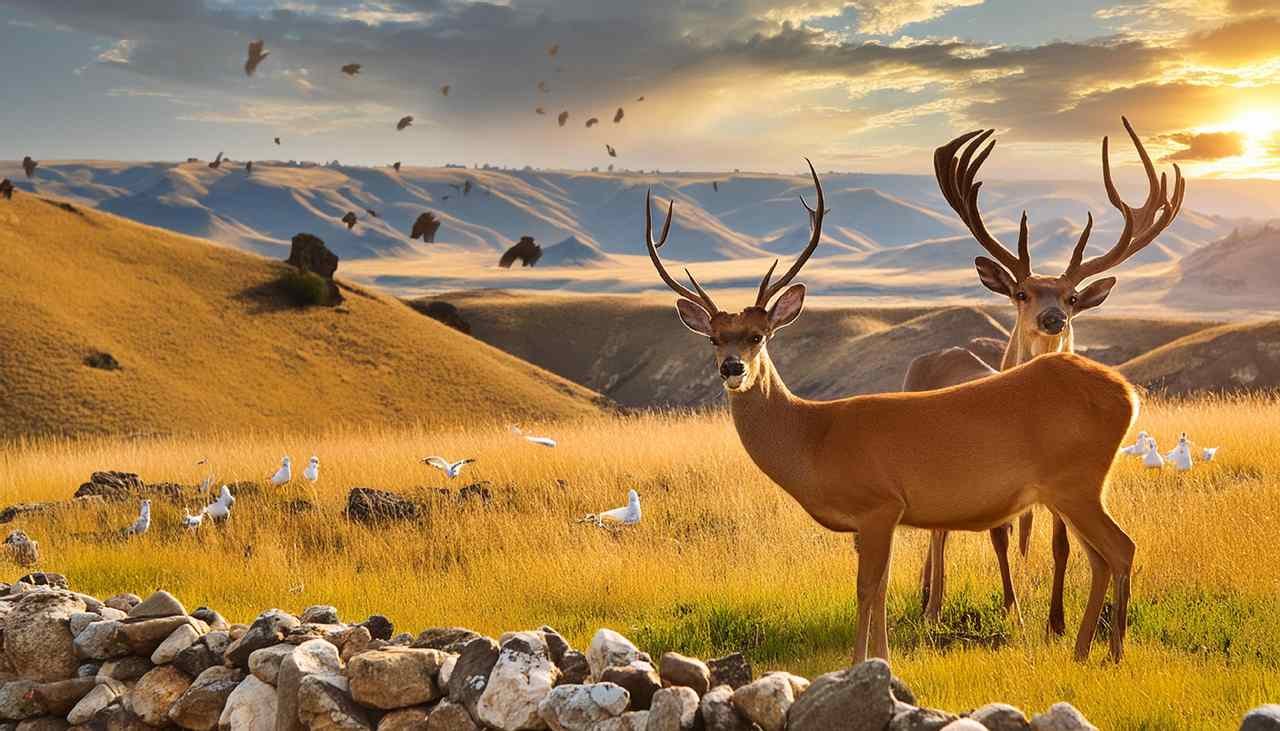
South Dakota hunting season 2026-2027 offers one of the broadest mixes of western and prairie hunting in the country. The earliest major seasons begin in mid-August with archery pronghorn and the resident August goose management take, while deer archery opens September 1. From there, the calendar rolls into pheasant, turkey, ducks, geese, prairie grouse, quail, deer, and specialty big game hunts. The state’s best-known opportunities include pheasant, whitetail and mule deer, pronghorn, turkey, ducks, geese, and prairie grouse.
Knowing the dates matters because South Dakota splits many seasons by unit, region, or access type. Deer differs by East River, West River, Black Hills, Custer State Park, and archery categories. Waterfowl is organized by duck zones and goose units. Licensing matters just as much because several big game hunts and nonresident waterfowl permits are limited-draw opportunities rather than simple over-the-counter purchases. Before hunting, always confirm final rules, unit maps, and any in-season updates through South Dakota Game, Fish and Parks regulations.
- ✔ Hunting season dates
- ✔ Bag limits
- ✔ Legal hunting hours
- ✔ Required licenses
- ✔ Weapon restrictions
- ✔ Blaze orange rules
- ✔ Public land rules
- ✔ Hunter education requirements
Quick Overview Table
| Species | Season | Weapon | Best Months | Permit Required |
|---|---|---|---|---|
| Deer | Sep 1, 2026-Jan 1, 2027 plus unit firearm seasons | Archery, muzzleloader, firearm | October-November | Yes |
| Pronghorn | Aug 15-Oct 31, 2026; firearm Oct 3-18 | Archery, firearm | August-October | Yes |
| Turkey | Spring Apr 11-May 31, 2026; fall Nov 1, 2026-Jan 31, 2027 | Shotgun, archery | April-May, November | Yes |
| Pheasant | Sep 26, 2026-Jan 31, 2027 depending on season type | Shotgun | October-January | Small game license |
| Ducks | Sep 26, 2026-Jan 14, 2027 depending on zone | Shotgun | October-December | Waterfowl license/certificate |
| Geese | Aug 15, 2026-Feb 14, 2027 depending on hunt | Shotgun | September-January | Waterfowl license/certificate |
| Prairie Grouse/Partridge/Quail | Sep 19, 2026-Jan 31, 2027 or Oct 17-Jan 31 | Shotgun | September-November | Small game license |
| Predator/Furbearer | Varies by species; several are liberal or unrestricted | Rifle, shotgun, archery, some air guns | Fall-Winter | Predator/furbearer license may apply |
Complete Hunting Dates for South Dakota Hunting Season 2026-2027
Big Game
- Deer
- Archery: Sept. 1, 2026-Jan. 1, 2027
- Nonresident archery public/private land: Sept. 1, 2026-Jan. 1, 2027
- Municipal archery: Sept. 1, 2026-Jan. 1, 2027
- Muzzleloader: Dec. 1, 2026-Jan. 1, 2027
- Apprentice and mentored: Sept. 12, 2026-Jan. 1, 2027
- Black Hills: Nov. 1-30, 2026
- Custer State Park: Nov. 1-30, 2026
- West River and West River Special Buck: Nov. 14-29, 2026
- East River and East River Special Buck: Nov. 21-Dec. 6, 2026
- National Wildlife Refuge deer: application-specific dates
- Notes: Deer seasons vary sharply by unit and tag type.
- Elk
- Prairie elk, landowner preference elk, and other elk hunts are application-only.
- Notes: Hunters must check the current application packet for season dates and unit details.
- Pronghorn
- Archery: Aug. 15-Oct. 31, 2026
- Nonresident archery public/private land: Aug. 15-Oct. 31, 2026
- Firearms: Oct. 3-18, 2026
- Special and Custer State Park pronghorn: Oct. 3-18, 2026
- Bighorn Sheep
- Black Hills: Sept. 1-Dec. 31, 2026
- Custer State Park: Sept. 1-Dec. 31, 2026
- Mountain Goat
- Closed for the current official season listing.
- Bison / Buffalo
- Custer State Park non-trophy buffalo: Oct. 5-Nov. 13, 2026
- Custer State Park trophy buffalo: Nov. 16, 2026-Jan. 15, 2027
- Mountain Lion
- Black Hills listing: Dec. 26, 2025-Apr. 30, 2026
- Statewide listing: Dec. 26, 2025-Dec. 25, 2026
- Notes: This is a quota-sensitive species. Verify closures before hunting.
- Bear, Moose, Wild Hog, Javelina
- No regular statewide seasons are listed on the current South Dakota GFP season pages.
Turkey
- Spring Prairie: Apr. 11-May 31, 2026
- Spring Prairie Archery: Apr. 11-May 31, 2026
- Spring Mentored: Apr. 11-May 31, 2026
- Spring Black Hills: Apr. 25-May 31, 2026
- Spring Black Hills Archery: Apr. 25-May 31, 2026
- Nonresident Spring Black Hills: Apr. 25-May 31, 2026
- Spring Custer State Park: Apr. 25-May 23, 2026
- Fall Prairie: Nov. 1, 2026-Jan. 31, 2027
- Fall Mentored: Nov. 1, 2026-Jan. 31, 2027
- Special notes: Some archery access at Adams Nature Area and Good Earth State Park requires a free access permit plus the proper turkey license.
Small Game
- Cottontail rabbit: Sept. 1, 2026-Mar. 31, 2027
- Tree squirrel: Sept. 1, 2026-Mar. 31, 2027
- Prairie dog: Year-round, except certain closure areas in the Buffalo Gap National Grasslands
- Jackrabbit, badger, skunk, opossum, porcupine, ground squirrels, gophers, marmots: liberal opportunity under current rules where lawful
Upland Birds
- Pheasant youth only: Sept. 26-Oct. 4, 2026
- Pheasant resident only: Oct. 10-12, 2026
- Pheasant traditional: Oct. 17, 2026-Jan. 31, 2027
- Prairie grouse: Sept. 19, 2026-Jan. 31, 2027
- Partridge: Sept. 19, 2026-Jan. 31, 2027
- Quail: Oct. 17, 2026-Jan. 31, 2027
- Crow fall: Sept. 1-Oct. 31, 2026
- Crow spring: Mar. 1-Apr. 30, 2026
Waterfowl
- Ducks
- Low Plains North: Sept. 26-Dec. 8, 2026
- Low Plains Middle: Sept. 26-Dec. 8, 2026
- Low Plains South: Oct. 24, 2026-Jan. 5, 2027
- High Plains: Oct. 10, 2026-Jan. 14, 2027
- Geese
- August goose management take: Aug. 15-31, 2026
- Canada goose Unit 1: Oct. 1-Dec. 16, 2026
- Canada goose Unit 2: Nov. 2, 2026-Feb. 14, 2027
- Early Canada goose: Sept. 1-30, 2026
- White-fronted goose: Sept. 26-Dec. 8, 2026
- Light goose fall: Sept. 26, 2026-Jan. 8, 2027
- Light goose conservation order: Feb. 16-May 15, 2026
- Other migratory birds
- Youth waterfowl: Sept. 12-13, 2026
- Mourning dove: Sept. 1-Nov. 9, 2026
- Sandhill crane: Sept. 26-Nov. 22, 2026
- Snipe: Sept. 1-Oct. 31, 2026
- Tundra swan: Oct. 3, 2026-Jan. 8, 2027
Furbearers
- Mink and weasel: Nov. 1, 2026-Jan. 31, 2027
- Nonresident mink and weasel: Dec. 1, 2026-Jan. 31, 2027
- River otter: Nov. 1-Dec. 31, or until harvest cap is reached
- Bobcat, raccoon, beaver, fox, muskrat, badger: species-specific rules apply; bobcat and otter are the most tightly controlled
Predators
- Coyote: liberal statewide opportunity; Custer State Park coyote hunting runs Nov. 1-Apr. 30, from one-half hour before sunrise to one-half hour after sunset
- Fox: liberal opportunity where lawful
- Wolf: no general hunt listed
- Mountain lion: see big game section above
Special Opportunities
- Mentored big game, small game, turkey, and waterfowl
- Youth pheasant
- Youth waterfowl
- Youth deer
- Apprentice deer
- Disabled hunter permits, including shoot-from-vehicle permits for qualified hunters
- South Dakota also offers special access tools rather than a broad statewide veterans-only hunt calendar.
Hunting License Fees
| License Type | Resident Fee | Nonresident Fee | Notes |
|---|---|---|---|
| Habitat Stamp | $10 | $25 | Required for most licensed hunters age 18+ |
| Combination License | $60 | N/A | Small game + fishing |
| Senior Combination (65+) | $43 | N/A | Resident only |
| Small Game | $36 | $142 | Nonresident valid for two 5-day periods |
| 1-Day Small Game | $15 | N/A | Resident option listed |
| Youth Small Game (12-17) | $5 | $10 | Nonresident valid for two 5-day periods |
| Mentored Small Game | $5 | $10 | Youth under 16 |
| State Migratory Bird Certificate | $5 | $5 | Needed for migratory bird hunting |
| Nonresident Waterfowl | N/A | $145 | Lottery, two 5-day periods |
| Nonresident 3-Day Waterfowl | N/A | $106 | Lottery |
| Early Fall Canada Goose | N/A | $51 | Nonresident listing |
| Spring Light Goose Conservation Order | N/A | $61 | Nonresident listing |
| Youth Spring Light Goose | N/A | $21 | Nonresident youth |
| Predator/Varmint | $6 | $46 | Useful for coyote and prairie dog hunters |
| Furbearer | $31 | $325 | Nonresident is application only |
| Disabled hunter permit | Free | Free/qualified | Permit, not a standard license |
| Big game / turkey tags | Varies | Varies | Limited draw or species-specific fee structure |
Important Hunting Regulations
- Firearm big game hunters, except turkey and mountain lion, must wear visible fluorescent orange or fluorescent pink.
- Big game shooting hours are generally 30 minutes before sunrise to 30 minutes after sunset.
- Turkey shooting hours run 30 minutes before sunrise to sunset.
- Duck and goose shooting hours run one-half hour before sunrise to sunset.
- Pheasant shooting hours are 10 a.m. Central Time to sunset.
- Big game tags must be signed, dated, and attached before transport from the field.
- Deer and elk carcass remains have disposal rules tied to CWD control.
- Hunters under 16 need hunter safety unless hunting in the mentored program.
- Anyone younger than 16 must complete an in-person field day.
- Bowhunter education is no longer required for archery hunting in South Dakota.
- A parent, guardian, or responsible adult at least 18 must accompany youth under 16.
- Qualified hunters may use a crossbow in certain firearm big game seasons.
- Some hunters may qualify for crossbow/draw-lock or designated shooter permits.
- Air guns are legal only for listed small game and predator species and must meet the minimum velocity rule.
- No person may use a drone to aid in taking or recovering game.
- Big game baiting is restricted during major portions of the year.
- Baiting is prohibited on GFP-managed lands.
- You cannot hunt private land without owner or lessee permission, except for the limited Black Hills district rule noted in state law.
- Motor vehicles, including e-bikes, are restricted to designated roads and parking areas on many public lands.
- No driving is allowed on Walk-In Areas except on designated trails and parking areas.
- You cannot chase, harass, or pursue game with a motor vehicle.
- Firearms, bows, and crossbows generally may not be discharged from a motor vehicle except under permit or limited species exceptions.
- Hunter harassment is illegal.
- Dogs cannot be trained on wild game birds statewide from April 15 through July 31.
- Nonresidents may not use dogs to aid in taking raccoon.
- Bobcats must be registered and tagged within 5 days of harvest.
- River otter harvest must be reported immediately and checked in for tagging.
- Beaver hunting and trapping are closed within the Black Hills Fire Protection District.
- Prairie dog hunting is closed in parts of the Conata Basin and certain Buffalo Gap National Grasslands areas.
- Waterfowl hunters must use approved nontoxic shot.
- Nonresident waterfowl licenses are limited and distributed by drawing.
- State licenses are not valid on tribal trust lands unless tribal rules allow it.
- Public areas can carry local restrictions, so always read atlas notes before hunting.
- South Dakota does not publish a general statewide Sunday hunting ban on its current season pages, but hunters should still check unit-specific restrictions.
- South Dakota’s season pages do not spotlight a separate suppressor rule; verify current firearm law before use.
Best Hunting Places in South Dakota
Best Deer Hunting Areas
The Black Hills, West River breaks, and mixed farm-country around the Missouri system are top deer country. Black Hills terrain favors spot-and-stalk hunters, while river bottoms and agricultural edges offer solid whitetail habitat. Public access can be pieced together through the atlas, but difficulty rises in rough western terrain.
Best Turkey Hunting Areas
The Black Hills remain the headline turkey destination, especially for spring Merriam’s birds. Riparian drainages west of the Missouri and established woodland pockets east of the river also produce. Access ranges from public forest edges to private-land permission hunts.
Best Waterfowl Hunting Areas
Eastern South Dakota’s Prairie Pothole region, glacial lakes, and the Missouri River reservoir system are the state’s core waterfowl zones. Hunters like these areas because habitat changes quickly with weather, migration timing, and water levels. For federal migratory bird requirements, review U.S. Fish and Wildlife Service migratory bird rules before traveling.
Best Small Game Areas
For pheasants, quail, and partridge, the east-central pheasant belt is hard to beat. For prairie dogs and coyotes, western grasslands and larger ranch country are more productive. Cottontail hunters often do well along shelterbelts, river edges, and brushy draws.
Best Public Hunting Lands
South Dakota’s biggest public-access strengths are Walk-In Areas, Game Production Areas, Waterfowl Production Areas, School and Public Lands, national forests, and national grasslands. The terrain ranges from easy prairie walking to steep, broken western country.
Best Wildlife Management Areas
South Dakota’s version of classic wildlife management hunting centers on Game Production Areas and atlas-mapped public parcels. Hunters favor them because they offer dependable access, mapped boundaries, and habitat variety. If you hunt nearby states too, compare conditions with this North Dakota hunting season guide.
Bag Limits
| Species | Daily Limit | Possession Limit | Special Notes |
|---|---|---|---|
| Pheasant | 3 rooster pheasants | 15 | Accrues at 3 per day |
| Ducks | 6 traditional or 3 under three-duck option | 3x daily limit | Species restrictions apply |
| Canada Goose Unit 1 | 8 | 24 | Three times daily limit |
| Canada Goose Unit 2 | 4 | 12 | Three times daily limit |
| Light Goose | 50 | Unlimited | Liberal season structure |
| White-fronted Goose | 3 | 9 | Three times daily limit |
| Mourning Dove | 15 | 45 | Statewide |
| Quail | 5 | 15 | Any combination |
| Prairie Grouse | 3 | 15 | Includes combination rule |
| Partridge | 5 | 15 | Includes chukar combination |
| Cottontail Rabbit | 10 | 30 | Landowners/guests can differ on own land |
| Tree Squirrel | 5 | 15 | — |
| Sandhill Crane | 3 | 9 | Permit-based |
| Snipe | 5 | 15 | — |
| Bobcat | 1 East River/Black Hills; unlimited West River | Same as season bag | Registration required |
| River Otter | 1 | 1 | Also subject to statewide cap |
| Prairie Dog | Unlimited | Unlimited | Closure areas apply |
Legal Hunting Hours
General legal hours depend on species. Big game seasons usually run from 30 minutes before sunrise to 30 minutes after sunset. Turkey is 30 minutes before sunrise to sunset. Waterfowl is one-half hour before sunrise to sunset. Pheasant is more restrictive at 10 a.m. Central Time to sunset. Some predators and furbearers have unrestricted hours, but night-vision, thermal, and artificial-light rules still apply. Night hunting in South Dakota is not a free-for-all, so always match your method to the species and land type.
Hunter Education Requirements
South Dakota requires hunter education for hunters under 16 unless they are participating in mentored hunting. Hunters younger than 16 must complete an in-person field day. Youth ages 12-15 who participate in youth hunting need hunter safety. Mentored hunters do not need hunter safety themselves, but the mentor must have completed a hunter safety course. Bowhunter education is no longer required for archery hunting. Resident adults who meet the rules may also qualify for apprentice deer opportunities.
Public vs Private Land Hunting
Most South Dakota hunting still happens on private land, so permission is a major part of any trip plan. On public ground, the South Dakota Public Hunting Atlas is essential because it maps Walk-In Areas, GPAs, WPAs, School and Public Lands, national forests, grasslands, and other access parcels. Walk-In Areas are especially useful, but vehicle travel is tightly limited. National Wildlife Refuges and some special parcels carry their own season or permit rules. Tribal trust lands are different again, and a state license alone does not authorize hunting there.
Frequently Asked Questions
When does hunting season start in South Dakota?
The first major 2026 opportunities begin in mid-August with archery pronghorn and the August goose management take, while deer archery opens September 1.
Do I need a hunting license in South Dakota?
Yes. Most hunters need the proper state license, and many adults also need a habitat stamp. Migratory bird hunters need the state migratory bird certificate.
Can nonresidents hunt in South Dakota?
Yes, but some of the most popular hunts, especially nonresident waterfowl and many big game tags, are limited or draw-based.
Can I use a crossbow in South Dakota?
Yes, in certain seasons and permit situations. Crossbows are lawful in firearm big game seasons and may also be allowed through disability-related permits.
Do I need hunter education in South Dakota?
Hunters under 16 usually do, unless they are hunting through the mentored program.
Can I bait deer in South Dakota?
South Dakota restricts big game baiting during large parts of the hunting year and prohibits baiting on GFP-managed lands.
Can I hunt on public land in South Dakota?
Yes. South Dakota offers more than 5 million acres of public or publicly accessible hunting land, but each area may have its own access restrictions.
Can I hunt at night in South Dakota?
Only in limited situations and only with legal methods for the species involved. Artificial-light and night-vision rules are strict.
What is the blaze orange requirement?
Firearm hunters pursuing most big game species must wear visible fluorescent orange or fluorescent pink.
Final Thoughts
South Dakota hunting season 2026-2027 gives hunters a rare mix of classic pheasant country, productive deer habitat, strong turkey opportunities, and excellent prairie waterfowl hunting. The key to a successful season is matching your tag, zone, and weapon to the right dates, then checking access rules before you drive. Hunt safely, respect private land, and support conservation through lawful harvest and responsible game care. Most importantly, confirm the latest South Dakota rules, maps, and any in-season changes with South Dakota Game, Fish and Parks before every hunt.

- Important Virginia Hunting Dates and 2026-2027 Season Regulations - August 13, 2026
- Vermont Hunting: 2026-2027 Dates and Season Rules - August 13, 2026
- Prepare for Wyoming Hunting: 2026-2027 Season Dates and Regulations - August 13, 2026