
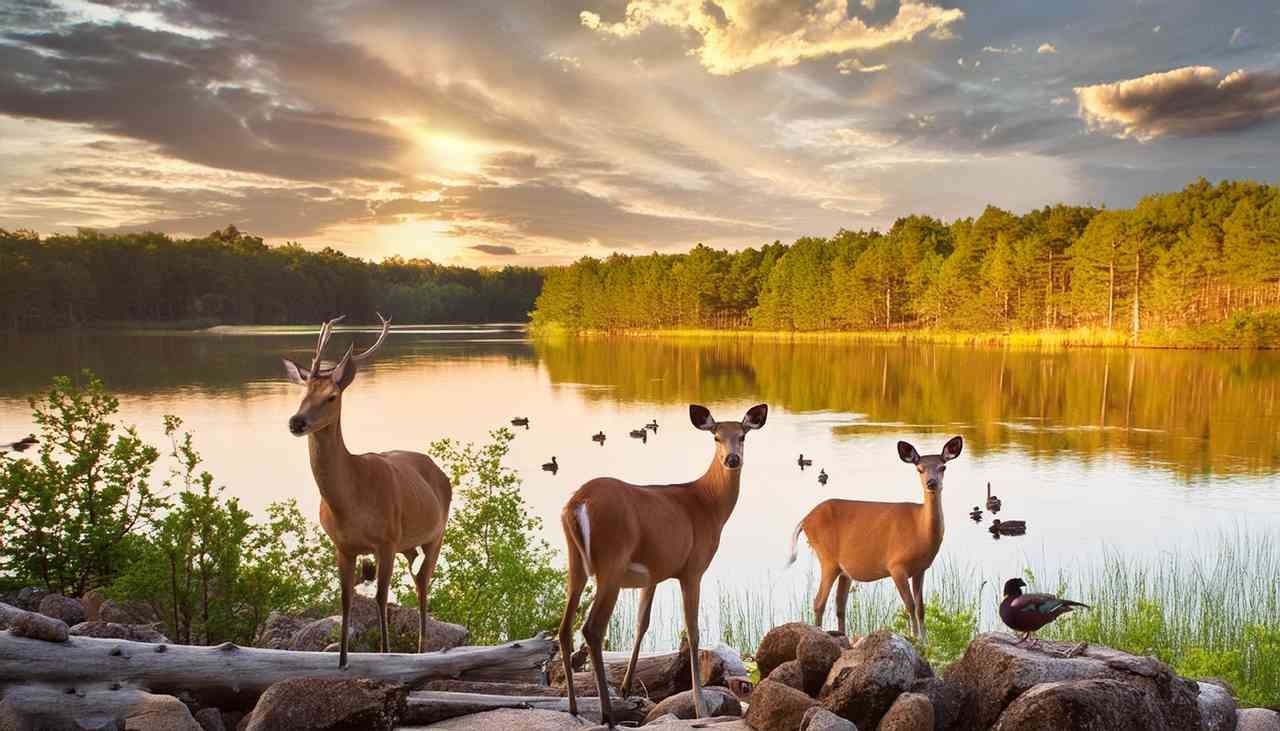
Minnesota’s 2026-2027 hunting season starts early for some species, with crow and rail seasons opening on Sept. 1, early teal and early goose opening Sept. 5, bear opening Sept. 1, and the statewide deer archery season beginning Sept. 19. From whitetails and black bears to ducks, grouse, pheasants, turkeys, and small game, the state offers one of the broadest hunting calendars in the Upper Midwest. Still, Minnesota is not a state where you can rely on memory alone. Deer permit areas, waterfowl zones, special hunts, and species-specific equipment rules all matter. Before you head afield, review the official Minnesota hunting regulations and confirm any local updates.
Knowing the dates is only the first step. Hunters also need the correct license, harvest validation method, legal weapon, and clothing requirements for the season they plan to hunt. Minnesota now uses site validation for certain harvested game, and several deer and waterfowl rules vary by area. If you hunt public land, you also need to understand WMA, state forest, and refuge access rules. The guide below pulls the current season framework into one practical article, but you should always verify last-minute changes with the Minnesota DNR before a specific hunt.
✔ Hunting season dates
✔ Bag limits
✔ Legal hunting hours
✔ Required licenses
✔ Weapon restrictions
✔ Blaze orange rules
✔ Public land rules
✔ Hunter education requirements
Quick Overview
| Species | Season | Weapon | Best Months | Permit Required |
|---|---|---|---|---|
| Whitetail deer | Sept.-Dec. | Archery, firearm, muzzleloader, crossbow where legal | Oct.-Nov. | Yes |
| Black bear | Sept. 1-Oct. 18 | Legal big-game firearm or bow | Sept. | Yes |
| Elk | Sept. 12-20; Sept. 26-Oct. 4 | Legal big-game firearm or bow | Sept. | Lottery permit |
| Wild turkey | Fall: Oct. 3-Nov. 1; Spring: Apr. 14-May 31 | Shotgun, bow, crossbow | Apr.-May, Oct. | Yes |
| Pheasant | Oct. 10-Jan. 3 | Shotgun or limited rimfire option | Oct.-Nov. | Small game license + pheasant stamp |
| Grouse | Sept. 19-Jan. 3 | Shotgun or legal small-game arms | Oct. | Small game license |
| Ducks & geese | Sept.-Jan. by zone | Shotgun with nontoxic shot | Oct.-Nov. | Small game license + HIP + stamps |
| Rabbit & squirrel | Sept. 19-Feb. 28 | Shotgun, rimfire, archery, trapping | Oct.-Dec. | Small game license |
Complete Hunting Dates for Minnesota Hunting Season 2026-2027
Big Game
| Species | 2026-2027 Season Details |
|---|---|
| Deer | Archery: Sept. 19-Dec. 31. Youth: Oct. 15-18 statewide. Early antlerless: Oct. 15-18 in select permit areas. Firearms: Nov. 7-22 in 100-series DPAs plus 604, 679, 684; Nov. 7-15 in 200-series and listed southeastern/metro-related DPAs; Late Southeast: Nov. 21-29 in select areas; Metro Zone 601: Nov. 7-29; Muzzleloader: Nov. 28-Dec. 13; Late CWD: Dec. 18-20 in select DPAs. |
| Elk | Limited lottery hunt. Either-sex A, C, E: Sept. 12-20. Antlerless B, D, F: Sept. 12-20. Antlerless G: Sept. 26-Oct. 4. Resident once-in-a-lifetime hunt in zones 10, 20, 30. |
| Bear | Sept. 1-Oct. 18. Quota and no-quota areas apply. Baiting may begin Aug. 14 for licensed bear hunters. |
| Moose | No open hunting season. |
| Pronghorn | No open season in Minnesota. |
| Bighorn sheep | No open season. |
| Mountain goat | No open season. |
| Bison | No open season. |
| Wild hog / feral swine | No recreational open season listed in the hunting framework. |
| Javelina | Not applicable in Minnesota. |
| Wolf / cougar | No open hunting season. |
Note: Minnesota’s deer rules changed in an important way for 2026. The statewide shotgun zone was repealed, but some counties may still adopt local shotgun-only ordinances, so firearm deer hunters should confirm county-level rules before opening day.
Turkey
| Season Type | Dates | Notes |
|---|---|---|
| Fall turkey | Oct. 3-Nov. 1, 2026 | One bird of either sex for the fall season. |
| Spring turkey A | Apr. 14-20, 2027 | Permit-period structure still applies. |
| Spring turkey B | Apr. 21-27, 2027 | |
| Spring turkey C | Apr. 28-May 4, 2027 | |
| Spring turkey D | May 5-11, 2027 | |
| Spring turkey E | May 12-18, 2027 | |
| Spring turkey F | May 19-31, 2027 | |
| Spring archery | Apr. 14-May 31, 2027 | Runs through the full spring season. |
| Youth opportunities | Youth hunters can participate in spring turkey opportunities, including youth access at Sand Prairie WMA. | Verify exact youth conditions before hunting. |
Small Game
| Species | Dates |
|---|---|
| Cottontail rabbit & snowshoe hare | Sept. 19, 2026-Feb. 28, 2027 |
| Jack rabbit | Sept. 19, 2026-Feb. 28, 2027 |
| Gray & fox squirrel | Sept. 19, 2026-Feb. 28, 2027 |
| Woodchuck | No closed season |
| Crow | Split seasons listed in the regulation booklet; falls within Sept. through Mar. periods |
| Rabbit, hare, squirrel trapping | Allowed under small-game framework where legal |
Upland Birds
| Species | Dates | Notes |
|---|---|---|
| Ruffed & spruce grouse | Sept. 19, 2026-Jan. 3, 2027 | Spruce grouse sublimit applies. |
| Sharp-tailed grouse | Sept. 19-Nov. 30, 2026 | Northwest zone only. |
| Hungarian partridge | Sept. 19, 2026-Jan. 3, 2027 | |
| Pheasant | Oct. 10, 2026-Jan. 3, 2027 | Roosters only. |
| Prairie chicken | Sept. 26-Oct. 4, 2026 | Special permit only. |
| Mourning dove | Sept. 1-Nov. 29, 2026 | |
| Woodcock | Sept. 19-Nov. 2, 2026 |
Waterfowl
| Species / Group | Dates |
|---|---|
| Early teal statewide | Sept. 5-9, 2026 |
| Youth waterfowl hunt | Sept. 12-13, 2026 |
| Early goose statewide | Sept. 5-20, 2026 |
| Ducks, coots, mergansers – North Zone | Sept. 26-Nov. 24, 2026 |
| Ducks, coots, mergansers – Central Zone | Sept. 26-Oct. 4 and Oct. 10-Nov. 29, 2026 |
| Ducks, coots, mergansers – South Zone | Sept. 26-Oct. 4 and Oct. 17-Dec. 6, 2026 |
| Geese – North Zone | Sept. 26-Dec. 25, 2026 |
| Geese – Central Zone | Sept. 26-Oct. 4 and Oct. 10-Dec. 30, 2026 |
| Geese – South Zone | Sept. 26-Oct. 4 and Oct. 17-Jan. 6, 2027 |
| Sandhill crane | Sept. 12-Oct. 18, 2026 |
| Sora & Virginia rail | Sept. 1-Nov. 9, 2026 |
| Wilson’s snipe | Sept. 1-Dec. 16, 2026 |
Furbearers
| Species | Dates | Notes |
|---|---|---|
| Raccoon, badger, red/gray fox, opossum, weasels – North Zone | Oct. 17, 2026-Mar. 15, 2027 | Hunting/trapping framework varies by species. |
| Same species – South Zone | Oct. 24, 2026-Mar. 15, 2027 | Opening day starts at 9 a.m. |
| Bobcat – North Zone | Dec. 12, 2026-Jan. 17, 2027 | Combined hunt/trap season limit applies. |
| Bobcat – South Zone | Jan. 2-17, 2027 | |
| Mink & muskrat (trapping) – North | Oct. 24, 2026-Feb. 28, 2027 | Trapping season. |
| Mink & muskrat (trapping) – South | Oct. 31, 2026-Feb. 28, 2027 | Trapping season. |
| Beaver & otter (trapping) – North | Oct. 24, 2026-May 15, 2027 | Trapping season. |
| Beaver & otter (trapping) – South | Oct. 31, 2026-May 15, 2027 | Trapping season. |
| Fisher & pine marten | Limited trapping seasons | Zone-specific and tightly regulated. |
Predators
| Species | Season |
|---|---|
| Coyote | No closed season |
| Fox | In furbearer seasons above; special night-light rules apply Jan. 1-Mar. 15 |
| Wolf | No open season |
| Mountain lion / cougar | No open season |
Special Opportunities
- Youth deer season: Oct. 15-18, 2026
- Early antlerless deer season: Oct. 15-18, 2026 in select permit areas
- Youth waterfowl hunt: Sept. 12-13, 2026
- Take-a-Kid Hunting Weekend: Sept. 19-20, 2026
- Metro deer management zone hunt: DPA 601, Nov. 7-29
- Late CWD deer season: Dec. 18-20 in select DPAs
- Prairie chicken hunt: special permit only
- Special state park deer hunts and select city-managed hunts are available by permit in some locations
- Hunters with a qualifying disability may use special permit options and should review DNR access rules before applying
Hunting License Fees
| License Type | Resident Fee | Nonresident Fee | Notes |
|---|---|---|---|
| Small Game Adult | $22 | $102 | Base license for many species |
| Small Game 72-hour | $19 | $75 | Short-term option |
| Small Game Youth 16-17 | $5 | $5 | Under 16 resident small game is free |
| Small Game Senior 65+ | $13.50 | N/A | Resident option |
| Deer Adult | $34 | $185 | Archery, firearm, or muzzleloader |
| Deer Youth 13-17 | $5 | $5 | Ages 10-12 pay issuing fee only |
| Turkey Adult | $26 | $96 | Youth discounts apply |
| Bear Adult | $44 | $230 | Separate bear license |
| Pheasant Stamp | $7.50 | $7.50 | Required where applicable |
| State Waterfowl Stamp | $7.50 | $7.50 | In addition to other requirements |
| Federal Duck Stamp | $26 | $26 | Required for waterfowl hunters age 16+ |
| Sports License | $41 | N/A | Resident individual sports license |
| Super Sports License | $100 | N/A | Resident option |
| Apprentice Validation | $3.50 | $3.50 | Good for two license years total in a lifetime |
| Elk Application | $5 application | N/A | Selected hunters pay total license cost of $288 |
| Lifetime License | Varies by age | N/A | Resident lifetime options available through DNR |
Note: Minnesota license prices typically do not include the extra issuing or agent fee.
Important Hunting Regulations
- Big-game firearms must generally be at least .220 caliber, centerfire, and loaded with a single expanding projectile.
- Legal muzzleloaders must meet Minnesota’s caliber standards for big game.
- Crossbows are allowed for deer and turkey under the applicable archery or firearms license framework.
- Turkey shotguns must be 10 gauge or smaller.
- Turkey shot size must be No. 4 or smaller.
- Bows used for turkey must draw at least 30 pounds.
- Explosive or poisoned arrows are illegal.
- Blaze orange or blaze pink is required during open firearms and muzzleloader deer seasons on the cap and outer clothing above the waist.
- Blaze camouflage is legal if each square foot is at least 50% blaze orange or pink.
- When deer firearms seasons are closed, most small-game hunters still need one visible blaze article above the waist.
- Waterfowl, turkey, bear, falconry, raccoon, and predator hunters have specific blaze exceptions.
- Anyone born after Dec. 31, 1979 and over age 12 needs hunter education or a lawful substitute to buy a firearms hunting license.
- Apprentice Hunter Validation can substitute temporarily for hunter education, but only for two license years total.
- Sunday hunting is allowed where the season is open and no special closure applies.
- Deer hunting over bait is illegal statewide.
- Bear baiting is allowed only under Minnesota’s bear-license rules and bait station registration rules.
- Drones may not be used to take or recover big game or small game.
- Electronic calls are not legal for turkey or migratory birds.
- Electronic calls are generally allowed for crows, furbearers, and unprotected animals.
- No one may shoot a wild animal with a firearm or bow from a motor vehicle unless a disability permit allows it.
- Road hunting is tightly restricted, and shooting from public road rights-of-way is unlawful in big-game contexts.
- Permission is required on posted private land.
- Permission is also required on agricultural land, even if it is not posted.
- Portable tree stands on many public lands must be removed daily unless a rule specifically allows overnight placement.
- Any stand left where allowed must be properly identified.
- Deer hunters must use site validation at the kill location before moving the animal.
- Deer and bear harvest registration deadlines still apply after validation.
- Turkeys must be registered within 24 hours.
- Big-game shooting hours are one-half hour before sunrise to one-half hour after sunset.
- Most small game and migratory birds run one-half hour before sunrise to sunset.
- Early teal shooting does not start until sunrise.
- Pheasant shooting starts at 9 a.m. and ends at sunset.
- Nontoxic shot is required for ducks, geese, mergansers, coots, moorhens, and sandhill cranes.
- HIP certification is required for migratory bird hunting except where specifically exempted.
- Motorized spinning-wing decoys are legal statewide during teal and regular waterfowl seasons.
- Dogs may help track wounded deer or bear, but they may not be used to chase or kill big game.
- Hunters may carry firearms allowed under the Minnesota Personal Protection Act, but that does not override species-specific method-of-take rules.
- Shooting a wolf by mistake is still illegal; know your target before firing.
- Minnesota law prohibits hunter harassment and intentional interference with lawful hunting.
Best Hunting Places in Minnesota
Minnesota offers millions of acres of access through WMAs, state forests, national forests, WPAs, and walk-in areas. Use the Minnesota hunting land resources page to scout maps, land ownership, and public access before your trip.
Best Deer Hunting Areas
Southeast Bluff Country: Steep ridges, hardwood draws, and farm edges hold strong whitetail numbers. Hunters like it for rut movement and a mix of archery and firearms opportunities. Access ranges from public parcels to private permission ground. Terrain is rugged, so difficulty is moderate to high.
Metro Deer Management Zone 601: This area gives hunters an extended firearms window. Habitat is a patchwork of woodlots, river bottoms, and edge cover. Access is more controlled, so planning matters.
Best Turkey Hunting Areas
Southeast Minnesota: Turkey country thrives in oak ridges, ag fields, and broken bluff habitat. Hunters favor the region because birds use predictable roost-to-field patterns. Much of the best hunting mixes public tracts with carefully managed private land.
Best Waterfowl Hunting Areas
Lac qui Parle area: Wetlands, marsh complexes, and grain fields make it a classic west-central waterfowl destination. Hunters value strong migration traffic, structured access, and reliable goose activity. Public access is good, but pressure can be high.
Minnesota River Valley: A proven duck-and-goose corridor with backwaters, sloughs, and ag fields. Difficulty varies from easy walk-in spots to boat-access setups.
Best Small Game Areas
Ruffed Grouse Management Areas and northern hunter walking trails: Aspen cover, mixed forest, and young growth make these spots productive for grouse and woodcock. They are public, accessible, and especially attractive to walk-up hunters.
Best Public Hunting Lands
State WMAs: Best for hunters who want broad public access and wildlife-focused habitat management. Species vary by region, from pheasants in the southwest to ducks and deer statewide.
State Forests: Minnesota’s 56 state forests cover about 3 million acres and are especially good for deer, bear, and grouse. Terrain ranges from rolling timber to boggy cover.
Best Wildlife Management Areas
Lac qui Parle WMA: Large, open, and bird-rich. Excellent for waterfowl and also useful for deer and small game. Public access is straightforward.
Carlos Avery WMA: Closer to the Twin Cities, with deer, turkey, and small-game appeal. Expect more competition.
Whitewater WMA region: Strong deer and turkey habitat with classic bluff terrain and moderate to difficult hiking.
Bag Limits
| Species | Daily Limit | Possession Limit | Special Notes |
|---|---|---|---|
| Deer | Varies by license and area | Statewide deer bag limit 5 | Only 1 legal buck statewide unless special area rule applies |
| Bear | 1 season limit | 1 | One adult bear per licensed hunter |
| Fall turkey | 1 | 1 | One bird of either sex |
| Pheasant | 2 roosters | 6 | Increases to 3 daily / 9 possession from Dec. 1-Jan. 3 |
| Ruffed & spruce grouse | 5 combined | 10 combined | Max 2 spruce daily, 4 possession |
| Cottontail rabbit & snowshoe hare | 10 combined | 20 combined | |
| Gray & fox squirrel | 7 combined | 14 combined | |
| Ducks | 6 | 18 | Species sublimits apply |
| Geese | 5 combined for Canada/white-fronted/brant | 15 | Snow/Ross’s daily limit is 20 |
| Woodcock | 3 | 9 | |
| Snipe | 8 | 24 | |
| Rails | 25 combined | 75 combined | Sora and Virginia rail |
| Coot / gallinule | 15 | 45 | |
| Bobcat | 5 season total | 5 | Only 1 may come from south of I-94 |
| Coyote / fox / raccoon | No limit | No limit | Subject to season and method rules |
Legal Hunting Hours
Minnesota keeps hunting-hour rules simple, but not identical across species.
- General small game: One-half hour before sunrise to sunset
- Big game: One-half hour before sunrise to one-half hour after sunset
- Turkey: One-half hour before sunrise to sunset
- Waterfowl: One-half hour before sunrise to sunset
- Early teal: Shooting starts at sunrise, not before
- Pheasant: 9 a.m. to sunset
- Night hunting: Limited exceptions apply for raccoon and for fox/coyote under seasonal light rules
Hunter Education Requirements
If you were born after Dec. 31, 1979 and are older than 12, Minnesota generally requires hunter education before you can buy a firearms hunting license. Youth can start training at age 11, and the certification becomes valid at age 12. The state offers hybrid, classroom, and adult online pathways. Hunters age 16 and older may complete an approved online course with virtual field-day options, while younger students typically complete online work plus in-person training. If you are new to hunting and not yet certified, an apprentice validation can give you a short-term path into the field.
Public vs Private Land Hunting
On private land, hunters need permission on posted land and on agricultural land even when it is not posted. That rule catches many newcomers off guard. Always ask first, and get clear on access points, parking, and retrieval rights.
On public land, Minnesota gives hunters strong options: WMAs, state forests, national forests, waterfowl production areas, and some national wildlife refuges. Each property type can have extra rules on blinds, motor vehicles, target shooting, trapping, or special hunt access. Walk-In Access parcels add another option on enrolled private land. If you regularly hunt the Upper Midwest, it also helps to compare nearby rules such as this Wisconsin hunting season guide before crossing state lines.
Frequently Asked Questions
When does hunting season start in Minnesota?
Some Minnesota seasons open Sept. 1, 2026, while statewide deer archery begins Sept. 19, 2026.
Do I need a hunting license in Minnesota?
Yes. Most hunters need a species-appropriate license, and some hunts also require stamps, HIP certification, or a special permit.
Can nonresidents hunt in Minnesota?
Yes. Minnesota sells nonresident small game, deer, turkey, bear, and other eligible licenses, though some hunts are tightly limited.
Can I hunt on Sundays in Minnesota?
Yes, Sunday hunting is allowed where the season is open and no special local restriction applies.
Can I use a crossbow in Minnesota?
Yes. Crossbows are legal for deer and turkey within the applicable season and license framework.
Do I need hunter education in Minnesota?
If you were born after Dec. 31, 1979 and are over age 12, you usually need hunter education or an apprentice alternative for firearms hunting.
Can I bait deer in Minnesota?
No. Hunting deer with the aid of bait is illegal statewide.
Can I hunt on public land in Minnesota?
Yes. WMAs, state forests, national forests, and other public lands offer major hunting access, but each property can have its own rules.
Can I hunt at night in Minnesota?
Only for limited species and methods, such as raccoon and certain fox/coyote situations. Most hunting is daylight-only.
What is the blaze orange requirement in Minnesota?
During firearms and muzzleloader deer seasons, hunters and trappers in the field must wear blaze orange or blaze pink on the cap and outer clothing above the waist, with a few narrow exceptions.
Final Thoughts
Minnesota’s 2026-2027 hunting season gives hunters a long calendar, broad species choice, and excellent public access, but it also rewards careful planning. Deer permit areas, waterfowl zones, special youth opportunities, and validation rules can all change how a hunt works from one county or season to the next.
The smart approach is simple: buy the right license, verify the exact dates for your zone, scout access before opening day, and follow Minnesota’s safety and conservation rules closely. Responsible hunting protects the resource, improves hunter access, and keeps the tradition strong. Before any specific trip, double-check the current Minnesota DNR regulations, local ordinances, and species updates so your hunt is both legal and ethical.

- Important Virginia Hunting Dates and 2026-2027 Season Regulations - August 13, 2026
- Vermont Hunting: 2026-2027 Dates and Season Rules - August 13, 2026
- Prepare for Wyoming Hunting: 2026-2027 Season Dates and Regulations - August 13, 2026